
Buying meat may seem simple — pick a package, add to cart, walk away — but the quality you choose determines taste, texture, aroma, and nutritional value of every dish you cook. When shopping specifically for Zabiha meat, there’s more to consider than the halal label. Freshness, cut, sourcing practices, and visual cues all matter.
This quick but comprehensive guide helps you buy Zabiha meat confidently and consistently — so what you bring home is exactly what you want to serve your family.
Start with Authentic Certification:
Look for:
- Halal/Zabiha certification label.
- Vendor credibility and license.
- Clearly stated slaughter method.
If possible, buy from butchers who allow questions or transparency about sourcing. A trusted supplier is step one to quality.
Visual Inspection — Your Best First Tool:
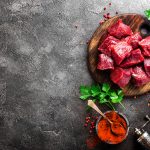
Good Zabiha meat looks alive with color.
- Beef should be vibrant red or deep burgundy.
- Lamb a rich pinkish-red.
- Chicken pale ivory with no grey patches.
Grey, dull, greenish, or excessively dark tones indicate age or spoilage.
Smell and Texture — Quick Quality Check:
A mild fresh scent = good.
Strong sour odor = reject immediately.
Touch test is equally important. Press lightly with a fingertip — fresh meat springs back. Slimy surface means bacterial growth — do not buy.
How the Animal Was Raised Matters:
Choose meat from animals raised on clean farms, free-range if possible. Diet affects taste — grass-fed animals produce lean, earthy-flavored meat while grain-fed animals produce richer marbling.
Ask your vendor:
-
Was the animal grass- or grain-fed?
-
Were antibiotics or hormones used?
-
Is the meat locally sourced?
Quality begins long before slaughter.
Packaging Rules You Should Follow:
If purchasing packaged Zabiha meat:
-
Avoid packages with excess liquid.
-
Prefer vacuum-sealed packs.
-
Confirm “never frozen” if you want fresh cuts.
Frozen meat is okay if sealed properly, but avoid anything with ice buildup — a sign of thaw-refreeze cycles.
Choosing the Right Cut for Cooking:
Stir-fries need boneless strips. Curries need bone-in for depth. BBQ demands marbling.
| Cooking Style | Best Zabiha Cut |
|---|---|
| Quick skillet meals | Boneless chicken breast, sirloin strips |
| Slow curries | Shank, shoulder, goat leg |
| Roasting | Whole cuts with fat layer |
| BBQ | Ribeye, lamb chops, thighs |
Knowing your cut saves time and guarantees tenderness.
Don’t Be Afraid to Talk to the Butcher:
A simple question like “What’s freshest today?” can help you leave with a better product. A skilled butcher will guide you based on your recipe, cooking style, and budget.
Store Properly After Purchase:
Even the best meat spoils if mishandled.
Refrigerate within 1 hour.
Cook within 24–48 hours if fresh.
Freeze if storing long-term.
Wrap tightly to avoid freezer burn.
Final Takeaway:
Quality Zabiha meat doesn’t happen by chance — it’s selected with awareness. With the right visual cues, knowledge of cuts, storage awareness, and the courage to ask questions, you’ll confidently bring home meat that cooks tender, tastes clean, and satisfies deeply.