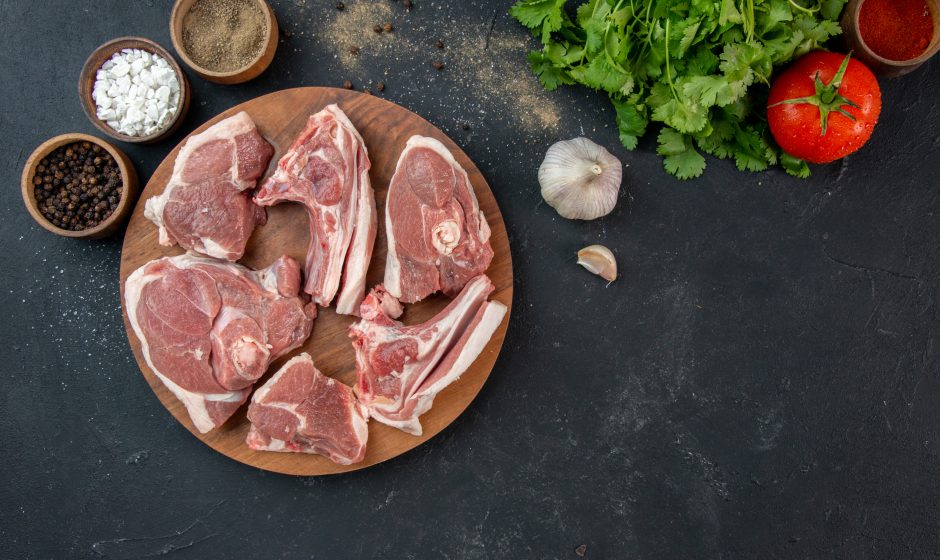

Great cooking starts with great ingredients — and when it comes to Zabiha meat, freshness and tenderness matter more than anything. Even the most perfect recipe can fall flat if the meat is tough, stale, or low-quality. Choosing fresh Zabiha meat ensures better flavor, juiciness, aroma, and nutrition. Whether you’re preparing biryani, BBQ, steaks, or slow-cooked curry, knowing what to buy gives you confidence and guarantees delicious results.
Here’s your complete guide to choosing fresh, tender, high-quality Zabiha meat every single time.
What Makes Meat ‘Zabiha’ — Why It Matters:
Zabiha means the meat comes from an animal slaughtered according to Islamic guidelines — humane handling, recitation of Allah’s name, and complete draining of blood. This results not only in a religiously ethical product, but also in meat that tastes cleaner and remains fresh longer due to reduced bacterial growth.
Fresh Zabiha meat is more than halal — it is pure, tender, flavorful, and respectful of faith.
Color — The First Sign of Freshness:
When buying meat, color is your biggest visual clue.
Fresh Beef:
Deep red or cherry tone — bright but not overly dark.
Zabiha Lamb/Goat:
Pinkish-red and slightly marbled.
Chicken:
Pale ivory to blush pink with no grey or green undertones.
Brownish patches, dull coloring, or dark almost-purple tones usually mean the meat has been stored too long or mishandled.
Texture — How the Meat Should Feel:
Gently press the meat with your fingertip.
- Fresh meat is firm yet springy.
- It should not feel mushy, sticky, or slimy.
- Fat should feel dense and creamy, not waxy.
A slippery surface or spongy feel indicates aging, bacterial growth, or excess water absorption — avoid cooking with that.
Smell — The Most Important Test:
Fresh Zabiha meat has a clean, mild scent.
Be cautious if you detect:
- Sourness.
- Metallic sharpness.
- Ammonia-like odor.
- Strong gamey smell that feels “off”.
Your nose will always tell the truth — trust it.
Look for Natural Marbling for Tenderness:
Marbling refers to thin streaks of fat running through the meat.
Why it matters:
- More marbling = juicier + softer meat.
- Melts during cooking to create buttery flavor.
- Best for steaks, grills, and pan-searing.
However, for slow-cooked dishes like nihari or stew, you can choose less-marbled cuts — cooking time will tenderize them naturally.
Always Check the Butchery and Storage Conditions:
Even quality meat can become unsafe if improperly stored.
When buying, make sure:
-
Meat is stored cold or on ice.
-
No flies or open exposure.
-
Stainless clean cutting surfaces.
-
Butcher uses separate boards for poultry and red meat.
A clean environment = safe meat.
Fresh or Frozen — Which Should You Choose?
Fresh is best for grilled dishes, kebabs, and stir-fries.
Frozen works well for slow-cooking and bulk storage if sealed properly.
But avoid meat showing ice crystals — it may have thawed and refrozen, which damages texture.
Build a Relationship with a Trusted Butcher:
Once you find someone who provides fresh Zabiha, stick with them.
A good butcher will:
- Tell you what’s freshest.
- Suggest the right cuts.
- Cut meat as per your recipe.
- Inform you of new stock arrival.
Trust saves effort and improves your kitchen quality.
Final Word:
Choosing fresh and tender Zabiha meat isn’t difficult — it’s a simple skill built through observation. Use your senses, understand cuts, and trust your butcher. When your meat is fresh, every dish automatically tastes better — softer kebabs, juicier BBQ, richer curries, aromatic stews. Freshness doesn’t just improve flavor — it transforms meals.