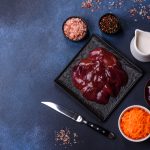

You can buy the freshest Zabiha meat available, but if storage is handled poorly, texture, flavor, and safety disappear within hours. Proper storage determines how long meat stays fresh, how tender it remains, and whether harmful bacteria develop. Whether you cook daily or buy in bulk, understanding meat preservation is essential.
This guide explains how to store Zabiha meat correctly so you maintain quality, flavor, and purity every time.
Why Storage Matters More Than You Think:
Meat begins breaking down the moment it’s cut. Temperature, air exposure, moisture, and hygiene affect:
- Texture.
- Smell.
- Tenderness.
- Bacterial growth.
Good storage extends lifespan and protects halal purity.
Storing Fresh Zabiha Meat in the Refrigerator:
Ideal temperature: 0–4°C (32–39°F).
Never store meat loosely or uncovered — oxygen speeds spoilage.
Use the following method:
-
Pat meat dry to remove surface moisture.
-
Wrap in parchment or butcher paper.
-
Place inside airtight bag or sealed container.
-
Store on the lowest shelf to prevent liquid drip-contamination.
How Long Meat Stays Fresh in the Fridge:
| Type | Duration |
|---|---|
| Ground meat/keema | 1–2 days |
| Boneless cuts | 2–3 days |
| Bone-in beef/lamb | 3–4 days |
| Whole chicken | 2–3 days |
Always use smell + texture check before cooking.
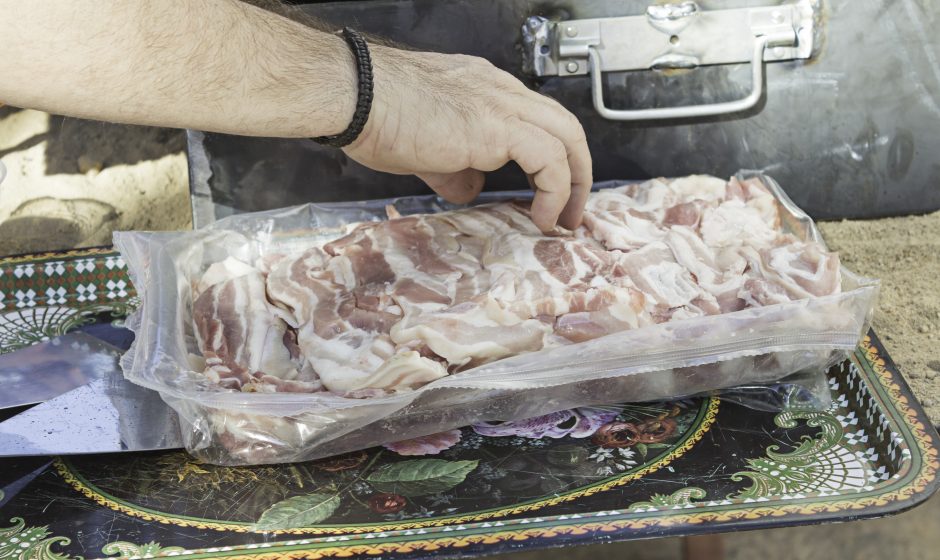
Avoid Storing Meat in Original Grocery Packaging:
Supermarket cling wrap traps moisture → creates marinade for bacteria. Re-package properly at home.
Seal = Freshness.
Use Salt for Natural Preservation:
Salt draws moisture and limits bacteria reproduction. Light seasoning before refrigeration can extend freshness by 12–18 hours.
Store Raw and Cooked Meat Separately:
Cross-contamination is dangerous. Always keep raw meat below cooked food and never reuse marinade containers without washing.
Transporting Zabiha Meat from Store to Home:
Heat exposure accelerates spoilage. Always:
-
Use insulated bags or ice packs.
-
Avoid long travel times.
-
Refrigerate immediately upon arrival.
Every hour matters.
Signs Your Meat Has Spoiled:
- Sticky or slimy texture.
- Sour or ammonia smell.
- Grey/green discoloration.
- Bubbles or tacky coating.
When in doubt — throw it out.
Maintaining Halal Purity During Storage:
Dedicate specific storage containers for Zabiha meat only.
Label and separate from non-halal food if sharing space.
Clean environment = pure consumption.
Final Thoughts:
Proper storage isn’t optional — it determines quality, taste, safety, and halal integrity. With airtight packing, cold temperatures, separation, and time awareness, Zabiha meat stays fresher, safer, and more delicious.
Treat meat carefully — and your meals will always reward you.