
Zabiha meat is not just a delicious dining option — it’s also packed with nutritional benefits that make it a healthier choice for your diet. As more people become aware of the importance of eating ethically sourced, high-quality meat, Zabiha options have gained popularity. Halal meat, prepared according to strict guidelines, offers numerous health benefits, from being leaner to offering more essential nutrients.
In this blog, we’ll explore the nutritional power of Zabiha meat, why it’s a healthier choice, and how it can contribute to a balanced, nutritious diet.
What is Zabiha Meat?
Zabiha meat refers to meat that has been slaughtered following Islamic dietary laws. The process involves a humane method of slaughter, where the animal is treated with care and respect. Additionally, the meat must come from an animal that has been raised in an ethical environment, fed a clean diet, and slaughtered by a Muslim who recites a prayer before the process.
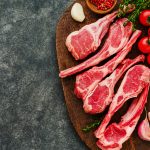
Zabiha meat is available in various forms, including beef, lamb, chicken, goat, and even fish. It is known for being free from harmful chemicals, hormones, and additives, making it a healthier option for those who want to avoid processed foods and unwanted substances.
Nutritional Benefits of Zabiha Meat:
Zabiha meat provides a range of nutritional benefits that contribute to a healthier diet. Here are some of the key reasons why Zabiha meat is a great choice for your health:
1. High-Quality Protein:
Protein is essential for the body’s growth, repair, and maintenance, and Zabiha meat is an excellent source of this vital nutrient. Whether you’re consuming chicken, beef, or lamb, Zabiha meat offers lean, high-quality protein that supports muscle development, immune function, and overall health.
Unlike some factory-farmed meats, which can be higher in fat and lower in nutritional quality, Zabiha meat tends to be leaner and more nutrient-dense, providing a clean source of protein without excess fat.
2. Rich in Vitamins and Minerals:
Zabiha meat is packed with essential vitamins and minerals that are crucial for maintaining good health. These include:
-
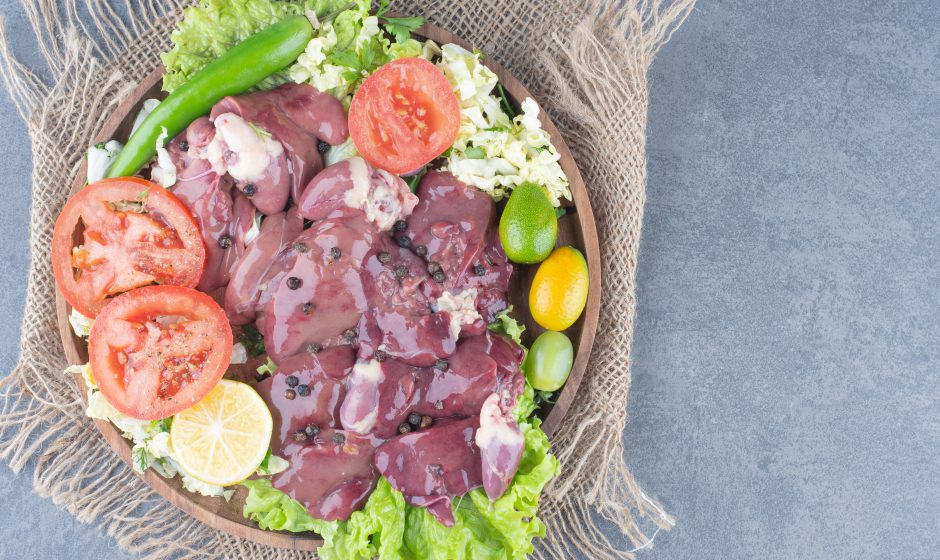
Iron: Zabiha meat, especially beef and lamb, is rich in heme iron, which is the most bioavailable form of iron. Iron is essential for producing hemoglobin and preventing anemia.
-
B Vitamins: Zabiha meat provides several B vitamins, including B12, niacin, and riboflavin, which are important for energy production, brain function, and nerve health.
-
Zinc: Zinc is essential for immune function, wound healing, and DNA synthesis. Zabiha meat, particularly beef and lamb, is a rich source of zinc.
3. Lower Fat Content:
Compared to non-organic meat, Zabiha meat tends to have a lower fat content. This is because animals raised for Zabiha meat are typically given a more natural diet, which contributes to a leaner meat product. This lower fat content makes Zabiha meat a healthier option for those who are mindful of their fat intake, helping to reduce the risk of heart disease and other health issues associated with excessive fat consumption.
4. Free from Hormones and Antibiotics:
One of the biggest concerns with conventionally farmed meat is the use of hormones and antibiotics in animal feed. These substances can make their way into the meat and potentially affect human health. Zabiha meat, however, is free from these harmful chemicals, making it a safer and healthier option for consumers.
By choosing Zabiha meat, you can avoid the risks associated with consuming meat that has been treated with synthetic hormones or antibiotics, which have been linked to various health concerns.
5. Better for the Environment:
Zabiha meat is often sourced from smaller, more sustainable farms that prioritize animal welfare and environmentally friendly practices. This means that the meat is not only better for your health but also better for the planet. By supporting ethical farming practices, Zabiha meat promotes sustainable agriculture and reduces the environmental impact of large-scale factory farming.
Incorporating Zabiha Meat Into a Healthy Diet:
Zabiha meat can be easily incorporated into a healthy, balanced diet. Here are a few tips on how to enjoy Zabiha meat while maintaining a nutritious lifestyle:
-
Choose Lean Cuts: Opt for leaner cuts of Zabiha meat, such as chicken breast, lean cuts of beef, or lamb chops, to keep fat intake in check.
-
Pair with Vegetables: Combine Zabiha meat with a variety of colorful vegetables to create a balanced, nutrient-dense meal.
-
Control Portion Sizes: While Zabiha meat is a great source of protein, be mindful of portion sizes to avoid overconsumption of calories.
Final Thoughts:
Zabiha meat is not only a delicious and ethical choice but also a nutritious option for those looking to maintain a healthy diet. Rich in high-quality protein, vitamins, and minerals, and free from harmful additives, Zabiha meat can support muscle growth, immune health, and overall wellness. By choosing Zabiha meat, you’re not only making a healthier choice for yourself but also supporting sustainable and humane farming practices. So, the next time you’re looking for a nutrient-packed meal, consider adding Zabiha meat to your plate.