
Zabiha meat, often regarded as the gold standard of halal meat, has a long and storied history that traces back to the early days of Islam. The practice of slaughtering animals in accordance with Islamic law, known as Zabiha, has been a cornerstone of Muslim dietary practices for over a millennium. Zabiha meat not only represents religious obedience but also reflects the ethical, spiritual, and cultural values of Islam.
In this blog, we will take a deep dive into the origins of Zabiha meat, its evolution through Islamic culture, and the way it continues to shape food practices today.
The Origins of Zabiha Meat:
The practice of Zabiha slaughter is firmly rooted in the teachings of the Quran and Hadith (the sayings and actions of the Prophet Muhammad). These texts provide clear guidelines on what is permissible (halal) and impermissible (haram) in food consumption, including specific instructions on how animals should be slaughtered.
In Surah Al-Ma’idah (5:3), the Quran states: “This day [all] good foods have been made lawful, and the food of those who were given the Scripture is lawful for you, and your food is lawful for them.” This verse establishes that the meat of animals that are slaughtered according to Islamic law is permissible for Muslims to consume. In addition, the Hadith offers further guidance on the humane treatment of animals and the process of slaughter.
The basic principles of Zabiha slaughter include:
-
Bismillah (In the name of God): Before slaughtering the animal, the person must say “Bismillah, Allahu Akbar” (“In the name of God, God is Great”). This prayer emphasizes the sanctity of life and the recognition that all creatures are created by God.
-
Humane Slaughter: The animal must be slaughtered with care, using a sharp instrument to ensure that the process is as quick and painless as possible. The blood should be drained from the animal’s body to maintain the purity of the meat.
These foundational principles were established during the time of Prophet Muhammad and have been passed down through generations, forming the core of Zabiha practices today.
Zabiha Meat in Early Islamic Culture:
During the early days of Islam, Zabiha meat was an essential part of Muslim food practices. It was not only consumed for nourishment but also as a way to foster a connection with God. The ethical treatment of animals and the strict observance of halal slaughtering practices were seen as a means of honoring life and ensuring that food consumption was in alignment with religious teachings.
As Islam spread across the Arabian Peninsula and beyond, so too did the practice of Zabiha slaughter. Muslim traders, travelers, and scholars brought the tradition with them to new lands, where it became deeply intertwined with local cultures.
The Spread of Zabiha Meat in the Islamic World:
As the Islamic empire expanded through the Middle East, North Africa, and parts of Asia, Zabiha meat became an integral part of Muslim communities worldwide. In regions where Islam became dominant, Zabiha slaughter practices flourished, and halal meat markets began to emerge.
During the Ottoman Empire, for example, the practice of Zabiha slaughter was well-established, and meat markets operated throughout cities like Istanbul, where the demand for halal meat was high. Similarly, in South Asia, the Mughal Empire ensured that Zabiha slaughter practices were upheld, particularly in the royal courts where elaborate feasts were held.
The golden age of Islamic culture saw a vast expansion of Zabiha meat consumption, and it became a symbol of religious and cultural identity for Muslims across the world.
Zabiha Meat in the Modern World:
In the modern era, Zabiha meat continues to be a key component of Muslim food culture, but with the globalization of halal food, its practice has adapted to meet the needs of Muslim communities worldwide. Today, Zabiha meat is available in supermarkets, butcher shops, and restaurants across the globe, and the halal certification process has become an established industry.
Zabiha meat has also evolved in response to modern concerns such as food safety, animal welfare, and sustainability. Halal certification bodies now oversee the entire slaughtering process, ensuring that animals are treated humanely and that the meat meets the highest standards of hygiene and ethical sourcing. With the growing demand for halal products in non-Muslim-majority countries, halal meat has become more accessible than ever before.
Furthermore, the rise of plant-based meat alternatives has created a new frontier for Zabiha practices, with some companies developing plant-based proteins that align with halal principles. While plant-based meat is not yet part of traditional Zabiha practices, it is an innovative way to address modern dietary preferences while staying true to Islamic values of purity and compassion.
Zabiha Meat in Contemporary Islamic Culture:
Today, Zabiha meat continues to hold great significance in Islamic culture. It is central to major religious celebrations, such as Eid al-Adha, when Muslims around the world commemorate the sacrifice of Prophet Ibrahim (Abraham). During this festival, Muslims slaughter sacrificial animals like sheep, cows, and goats, and distribute the meat to those in need, emphasizing charity and community.
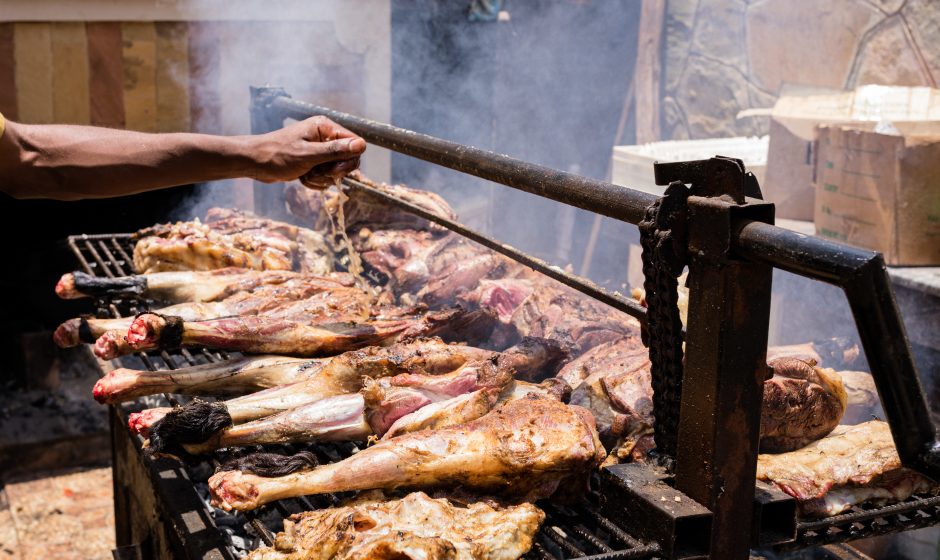
Zabiha meat is also integral to everyday meals in Muslim households, where it is used to prepare dishes ranging from kebabs and stews to biryanis and roasted meats. The practice of Zabiha slaughter provides a sense of spiritual connection and mindfulness with the food one consumes, reinforcing the Islamic principle that food is a gift from God.
Final Thoughts:
The history of Zabiha meat in Islam is rich, multifaceted, and deeply rooted in religious teachings, cultural practices, and ethical principles. From its origins in the Quran and Hadith to its evolution in the modern world, Zabiha meat continues to play a vital role in Muslim dietary practices. Whether consumed in daily meals or as part of religious observances, Zabiha meat remains a powerful tradition of purity, faith, and respect for life that unites Muslims across the globe.