
Zabiha meat, prepared according to Islamic dietary laws, is a fundamental aspect of Muslim culinary traditions worldwide. The practice of slaughtering animals in a halal manner is not only a dietary requirement but also a spiritual and cultural practice that unites Muslims across the globe. As Islam spread across the Middle East, North Africa, and beyond, Zabiha meat traditions evolved and became integrated into local cuisines, creating a rich diversity of halal dishes that reflect regional flavors, ingredients, and customs.
In this blog, we’ll explore the various Zabiha meat traditions around the world, examining how different cultures have embraced halal meat in their culinary practices and how these traditions have shaped the global halal food scene.
The Middle East: The Heart of Zabiha Meat Traditions:
The Middle East is the birthplace of Islam, and it’s where Zabiha meat traditions began. The practice of Zabiha slaughter has long been embedded in the region’s culinary culture, and it plays a central role in traditional Middle Eastern dishes.
1. Shawarma and Kebab:
Shawarma is perhaps the most iconic Zabiha meat dish to emerge from the Middle East. Thinly sliced, marinated meat (usually beef, lamb, or chicken) is cooked on a vertical rotisserie and served in pita or flatbread with various toppings such as tomatoes, cucumbers, pickles, and tahini sauce. Shawarma is a popular street food across the Middle East and has become a global favorite.
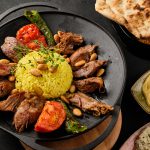
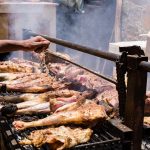
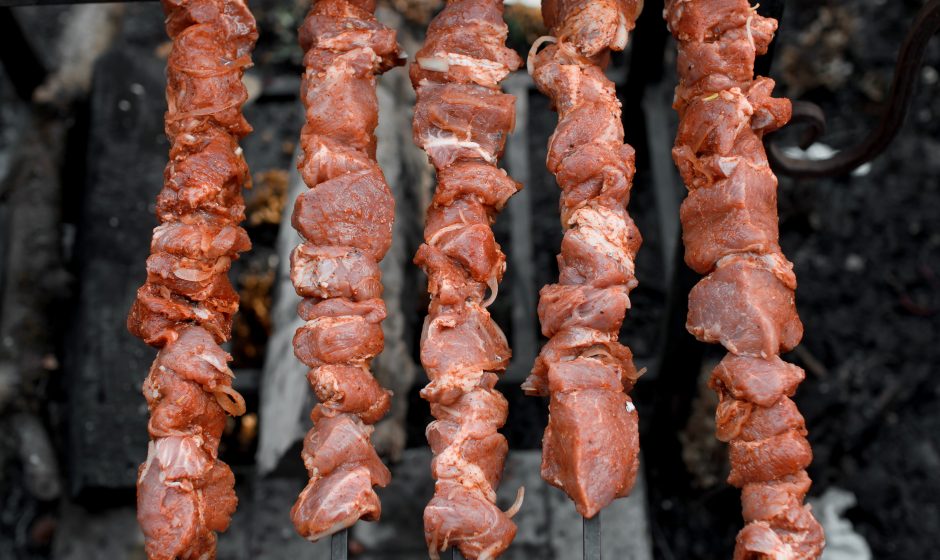
Kebabs, another staple of Middle Eastern cuisine, are also made from Zabiha meat. Whether served as skewers of grilled chicken, lamb, or beef, kebabs are seasoned with aromatic spices like cumin, coriander, and paprika, then grilled to perfection. Kebabs are typically served with flatbread, rice, or a side of grilled vegetables.
In the Middle East, Zabiha meat is not only used in everyday meals but also in festive occasions like Eid al-Adha, where animals are sacrificed, and the meat is shared with family, friends, and the less fortunate.
South Asia: The Richness of Zabiha Meat in Indian, Pakistani, and Bangladeshi Cuisine:
In South Asia, particularly in countries like Pakistan, India, and Bangladesh, Zabiha meat plays an essential role in everyday meals as well as special occasions.
1. Biryani:
Biryani is a flavorful and aromatic rice dish made with Zabiha meat, such as chicken, beef, or mutton, and cooked with a variety of spices, including saffron, cardamom, cinnamon, and cloves. It is one of the most beloved dishes in the Indian subcontinent and is often served at weddings, celebrations, and family gatherings.
2. Nihari and Haleem:
Nihari is a slow-cooked stew made with Zabiha beef or mutton, simmered with spices for hours to create a rich, tender dish. Haleem, another traditional dish, is a thick, savory porridge made with wheat, lentils, and Zabiha meat, often served during Ramadan for iftar. These dishes are deeply ingrained in South Asian culinary culture, representing the fusion of flavors and cooking techniques that have evolved over centuries.
Southeast Asia: Halal Meats in Malaysia and Indonesia:
In Southeast Asia, halal meat plays a key role in the food culture of Malaysia, Indonesia, and Brunei. These countries have a significant Muslim population, and Zabiha meat is widely used in daily meals and celebrations.
1. Satay:
Satay, a popular dish in Malaysia and Indonesia, consists of skewered, grilled Zabiha meat (typically chicken or beef), marinated in a mixture of spices and served with a peanut dipping sauce. Satay is commonly enjoyed as a street food snack or appetizer and is often served with rice cakes or grilled vegetables.
2. Nasi Lemak:
Nasi Lemak, Malaysia’s national dish, is traditionally served with Zabiha beef, chicken, or fish alongside coconut rice, cucumber slices, peanuts, and sambal (a spicy chili paste). This dish is a staple of Malaysian cuisine and is enjoyed at all times of the day, from breakfast to dinner.
Africa: Halal Meat in North and Sub-Saharan Africa:
In North Africa and parts of Sub-Saharan Africa, Zabiha meat is deeply integrated into local culinary traditions, often prepared with spices and served with grains and vegetables.
1. Moroccan Tagine:
In Morocco, tagine is a traditional dish made with Zabiha lamb or chicken, slow-cooked with vegetables, dried fruits, and aromatic spices such as cumin, cinnamon, and ginger. The dish is named after the earthenware pot in which it is cooked and is a staple of Moroccan cuisine.
2. Sudanese Kisra:
In Sudan, kisra is a type of flatbread often served with moussaka or stews made from Zabiha beef or goat. The combination of Zabiha meat with bread and stews is common in Sub-Saharan Africa, where meals are often shared with family and community members.
The Global Spread of Zabiha Meat:
As Muslim communities have grown across the world, Zabiha meat traditions have spread far beyond the Middle East and South Asia. In countries like the United States, the UK, and Australia, the demand for halal meat has led to the creation of halal butcher shops, restaurants, and food chains offering Zabiha meat options. Today, halal restaurants offering Zabiha meat dishes, including shawarma, kebabs, and biryanis, can be found in major cities across the globe, providing Muslims with access to authentic, halal-certified meals.
Final Thoughts:
Zabiha meat traditions are diverse, rich in history, and deeply woven into the fabric of Islamic culture around the world. From the bustling streets of Istanbul to the vibrant markets of Karachi, Zabiha meat continues to play a central role in shaping culinary traditions and cultural identities. Whether it’s through slow-cooked stews, skewered kebabs, or fragrant rice dishes, Zabiha meat offers a delicious and meaningful way to honor faith, family, and tradition across the globe.