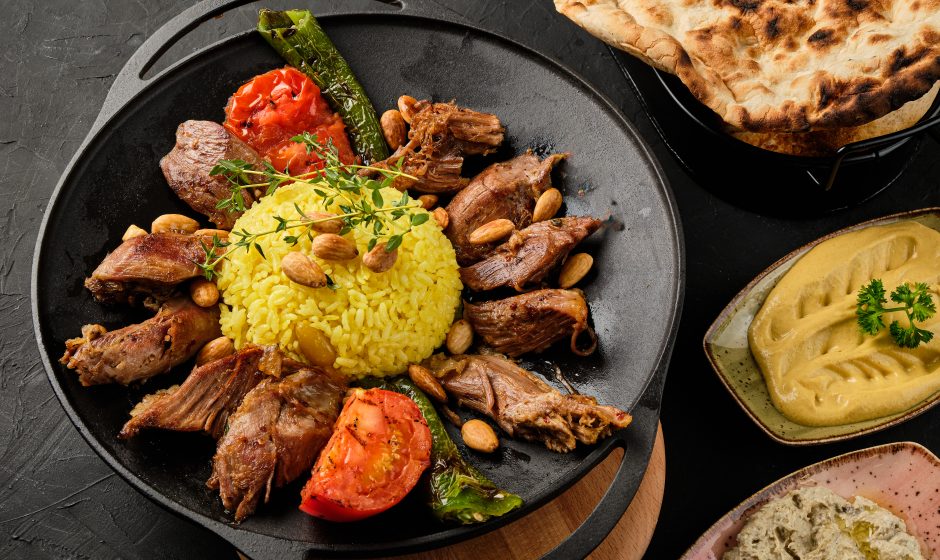

Zabiha meat, prepared in accordance with Islamic dietary laws, is central to many Muslim culinary traditions across the globe. As Islam spread from the Arabian Peninsula to regions far and wide, the tradition of consuming Zabiha meat became deeply embedded in the food cultures of countries in the Middle East, South Asia, Southeast Asia, and beyond. This type of meat, which must be slaughtered in the name of Allah, upholds ethical principles and ensures the humane treatment of animals.
In this blog, we will explore how different countries embrace Zabiha meat and how it has evolved into a key component of their culinary culture. From the aromatic spices of South Asia to the grilled delicacies of the Middle East, Zabiha meat has become a symbol of faith, purity, and unity.
Middle Eastern Countries: The Heart of Zabiha Meat:
The Middle East, where Islam originated, is the birthplace of many iconic dishes that utilize Zabiha meat. In this region, Zabiha meat is not just a dietary practice but a reflection of the cultural and religious significance of halal consumption.
1. Shawarma and Kebabs:
Middle Eastern cuisine is famous for its shawarma, a dish made from thinly sliced, spiced meat that is cooked on a vertical rotisserie. Whether it’s chicken, lamb, or beef, the meat must be Zabiha, ensuring it is ethically slaughtered and halal. Shawarma is often served in pita bread or flatbreads, accompanied by fresh vegetables, pickles, and tahini sauce. The balance of flavors and the tender texture of the meat make shawarma a favorite street food in countries like Lebanon, Turkey, and Syria.
Kebabs, another Middle Eastern specialty, are skewered meats such as lamb, chicken, and beef that are marinated and grilled over an open flame. The meat is seasoned with a blend of spices, giving it a smoky and flavorful taste. Zabiha meat is an essential part of kebab dishes, where it’s often served with rice, flatbread, or grilled vegetables. From the vibrant streets of Istanbul to the bustling markets of Cairo, Zabiha meat is at the heart of many Middle Eastern culinary experiences.
2. Tagine (Morocco):
In Morocco, tagine is a slow-cooked stew made from Zabiha lamb or chicken, vegetables, dried fruits, and aromatic spices. The dish is named after the unique clay pot in which it is cooked. Tagine is a communal dish, typically served during festive occasions and family gatherings, making it a staple of Moroccan cuisine. The combination of savory and sweet flavors, with the richness of Zabiha meat, makes tagine a deeply satisfying and symbolic dish in Moroccan culture.
South Asia: Zabiha Meat in the Heart of Indian, Pakistani, and Bangladeshi Cuisine:
South Asia, home to a significant Muslim population, embraces Zabiha meat through a diverse array of dishes that reflect the region’s rich history and cultural influences. From the fragrant biryanis of India to the slow-cooked stews of Pakistan, Zabiha meat is central to the culinary traditions of the subcontinent.
1. Biryani:
Biryani is one of the most beloved dishes in South Asia, and it is a cornerstone of Zabiha meat cuisine. This fragrant rice dish is made by layering marinated Zabiha meat (typically chicken, mutton, or beef) with partially cooked rice, saffron, and a mixture of spices. The dish is slow-cooked to allow the flavors to meld together, creating a mouthwatering meal. Biryani is often served at weddings, festivals, and special occasions, showcasing the richness of Zabiha meat in South Asian food culture.
2. Nihari and Haleem:
Nihari, a slow-cooked stew made with Zabiha beef or mutton, is a classic dish in Pakistan, particularly during the winter months. The meat is simmered with a blend of spices, such as ginger, garlic, and garam masala, resulting in a hearty and flavorful meal. Similarly, haleem, a thick porridge made from wheat, lentils, and Zabiha meat, is often served during Ramadan and other religious occasions. Both dishes are a testament to the versatility of Zabiha meat in South Asian cuisine.
Southeast Asia: Halal Food in Malaysia and Indonesia:
In Southeast Asia, Zabiha meat plays an essential role in the culinary practices of Malaysia, Indonesia, and Brunei, where halal food is deeply ingrained in daily life.
1. Satay (Malaysia and Indonesia):
Satay is a popular street food in Malaysia and Indonesia that features skewered Zabiha meat, typically chicken or beef, marinated in a sweet and savory sauce and grilled over an open flame. Satay is served with a peanut dipping sauce and is often enjoyed as a snack or appetizer. The combination of smoky grilled meat and the richness of the peanut sauce makes satay a delicious and beloved dish in these countries.
2. Nasi Lemak (Malaysia):
Nasi Lemak, Malaysia’s national dish, is typically served with Zabiha meat like fried chicken, beef rendang, or fish. The dish features coconut milk-infused rice served with cucumber slices, peanuts, fried anchovies, and sambal (a spicy chili paste). The rich, creamy texture of the rice paired with the tender, flavorful Zabiha meat makes Nasi Lemak a popular and satisfying meal for any time of day.
Africa: Zabiha Meat in North and Sub-Saharan Africa:
In North Africa and parts of Sub-Saharan Africa, Zabiha meat is an integral part of the culinary tradition, used in everything from hearty stews to flavorful grilled dishes.
1. Moroccan Couscous:
In Morocco, couscous is a staple dish often made with Zabiha lamb or chicken. The couscous is steamed and served with a stew made from meat, vegetables, and chickpeas, all spiced with cumin, cinnamon, and turmeric. The combination of fluffy couscous and tender Zabiha meat creates a well-rounded, nourishing meal that is enjoyed across the country.
2. Sudanese Kisra:
In Sudan, kisra, a type of flatbread, is served with stews made from Zabiha beef or goat. The meat is cooked with a blend of spices, resulting in a hearty and flavorful dish that’s perfect for dipping into the soft, pillowy kisra.
Zabiha Meat’s Global Expansion:
As Muslim communities have grown in the West and other regions, Zabiha meat traditions have spread globally. Halal butcher shops, restaurants, and fast food chains have become increasingly common in countries like the United States, the UK, and Australia, making Zabiha meat more accessible to Muslims around the world. The growing popularity of halal food, including Zabiha meat, has led to the development of new products, such as halal fast food chains and pre-packaged halal meat, making it easier for Muslims to maintain their dietary practices, regardless of their location.
Conclusion:
Zabiha meat is more than just a dietary requirement; it is a symbol of faith, tradition, and cultural pride. From the grilled meats of the Middle East to the aromatic biryanis of South Asia and the fragrant couscous of North Africa, Zabiha meat is embraced in diverse ways, reflecting the unique culinary traditions of each region. As halal food becomes more accessible worldwide, Zabiha meat continues to play an essential role in bringing people together, nourishing both body and soul.