
For newcomers to cooking Zabiha meat, it can seem like an overwhelming task. Zabiha meat is halal-certified and slaughtered according to Islamic principles, making it a pure and ethically sourced choice for Muslims. Whether you’re preparing a quick meal for yourself or cooking for a gathering, understanding the basics of Zabiha meat and how to cook it properly is essential to achieving the best flavor and texture.
In this guide, we’ll walk you through the steps for cooking Zabiha meat, including tips for different types of meat, recommended cooking methods, and common mistakes to avoid.
1. Understanding Zabiha Meat:
Before diving into the cooking process, it’s important to understand what Zabiha meat is. Zabiha refers to meat that comes from animals that have been slaughtered in accordance with Islamic law. The animal must be slaughtered by a Muslim, and specific prayers are recited to invoke God’s name during the slaughter.
Zabiha meat is free from harmful additives, chemicals, or preservatives, making it a healthier and more ethical choice. It’s available in a variety of cuts, including beef, lamb, goat, and chicken, and is used in a wide range of dishes.
2. Choosing the Right Cut of Zabiha Meat:
The first step in cooking Zabiha meat is selecting the right cut for your dish. Different cuts of meat require different cooking methods. Here’s a basic guide to choosing the right cut:
-
Beef: For dishes like stews, curries, and braised meats, cuts like brisket and chuck work well, as they become tender when slow-cooked. Ribeye or sirloin steaks are perfect for grilling or pan-searing.
-
Lamb: Lamb chops are great for grilling or roasting. For slow-cooked dishes like lamb curry or shank stew, go for tougher cuts like shoulder or leg.
-
Chicken: Chicken breasts are ideal for quick cooking methods like grilling or stir-frying, while chicken thighs are perfect for slow cooking, roasting, or braising.
-
Goat: Goat meat is best for slow-cooked dishes such as goat curry or grilled kebabs. It has a strong flavor and requires longer cooking times to become tender.
3. Marinating Zabiha Meat:
Marinating Zabiha meat enhances its flavor and tenderness. A good marinade adds depth to the meat and helps it absorb the spices and seasonings. Here are a few simple tips for marinating different types of Zabiha meat:
-
Beef: Marinate with ingredients like garlic, ginger, yogurt, lemon juice, and cumin for 4-6 hours.
-
Lamb: For lamb, use a marinade with olive oil, garlic, rosemary, cinnamon, and lemon juice. Allow the lamb to marinate for several hours or overnight.
-
Chicken: Chicken can be marinated with yogurt, garlic, ginger, paprika, and chili powder for a flavorful kick.
-
Goat: Goat meat benefits from a marinade made with vinegar, garlic, and a mix of spices like cumin and coriander. Marinate for several hours or overnight for the best flavor.
4. Cooking Methods for Zabiha Meat:
The cooking method you choose depends on the cut of meat and the dish you’re preparing. Here are some popular methods for cooking Zabiha meat:
-
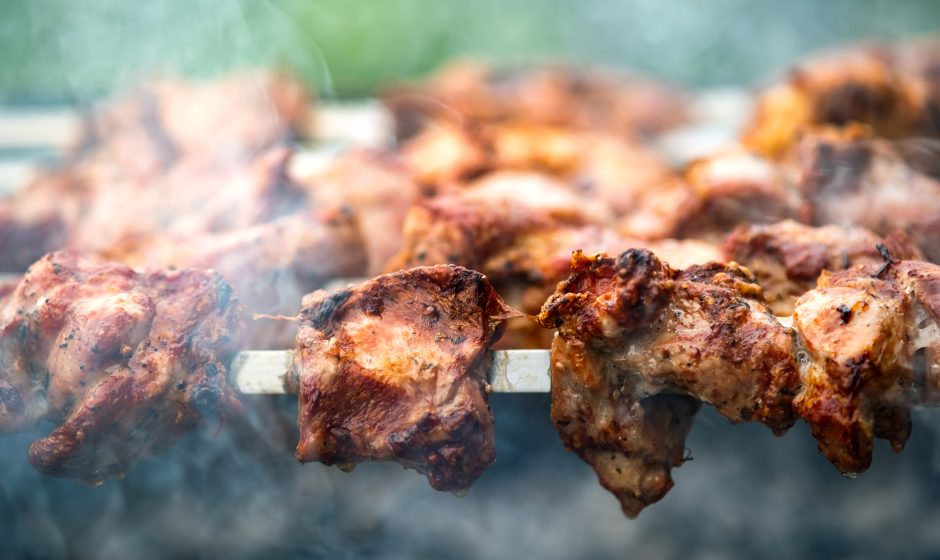
Grilling: Zabiha steaks, lamb chops, and chicken skewers are perfect for grilling. Preheat the grill to high heat, season the meat, and cook for 3-5 minutes per side, depending on the thickness of the cut.
-
Roasting: For larger cuts of meat like whole chicken or lamb leg, roasting is ideal. Preheat the oven to 350°F (175°C), season the meat, and roast for 1-2 hours, depending on the size of the cut.
-
Slow Cooking: Tough cuts of meat like beef brisket or goat benefit from slow cooking. Cook in a slow cooker on low heat for 6-8 hours or on the stove for several hours until the meat is tender.
-
Stir-Frying: For quick meals, stir-frying is a great method. Slice the Zabiha meat thinly and cook in a hot wok with vegetables and spices for 3-5 minutes.
5. Common Mistakes to Avoid:
-
Overcooking: Zabiha meat can become tough and dry if overcooked. Use a meat thermometer to check doneness, especially for steaks and chops.
-
Under-seasoning: Zabiha meat has a rich flavor, but it still requires seasoning to bring out its best qualities. Be sure to use enough spices, herbs, and marinades to enhance the flavor.
-
Not Resting the Meat: Let your meat rest for a few minutes after cooking to allow the juices to redistribute, ensuring it’s moist and tender.
Conclusion:
Cooking Zabiha meat can be a rewarding experience, especially when you use the right cuts, marinades, and cooking techniques. By following these simple tips, you can create flavorful and tender dishes every time. Whether you’re grilling, roasting, or slow-cooking, Zabiha meat offers endless possibilities for creating delicious meals that align with your faith and values.