
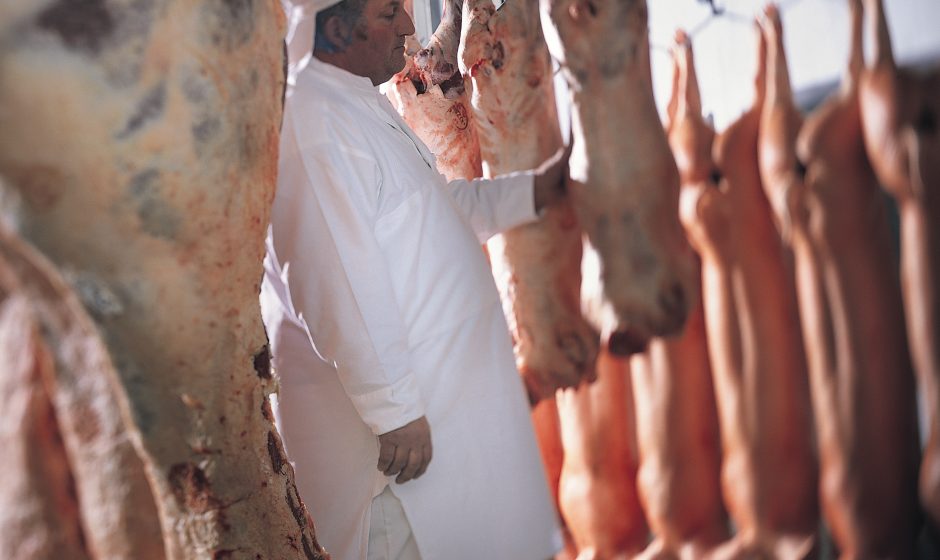

Sourcing halal-certified meat is a key responsibility for businesses serving Muslim customers, whether in a restaurant, catering service, or retail setting. It’s essential to work with suppliers who can provide meat that meets halal standards and offers traceability and transparency. Here’s a comprehensive guide to help you source halal-certified meat successfully.
1. Understanding Halal Certification:
Halal certification ensures that the meat you are sourcing is slaughtered according to Islamic principles. It’s essential to work with a supplier who holds a valid halal certification issued by an accredited certification body. Halal meat must come from animals that are slaughtered with the proper religious process, including the recitation of a prayer before slaughter and ensuring the animal is healthy and disease-free.
The certification process is vital for ensuring the meat’s compliance with religious requirements, and you should ask potential suppliers for proof of their certification. Make sure that the certifying body is recognized by international authorities to guarantee authenticity.
2. Determine Your Supply Chain Requirements:
Before sourcing halal meat, define your business needs in terms of volume, delivery frequency, and packaging. Are you a high-volume restaurant that requires daily deliveries, or a catering business with periodic orders? Identifying your requirements will help narrow down your search for suppliers.
For catering businesses, you may need large quantities of meat on short notice, so you’ll want to find a supplier who can accommodate bulk orders and handle the logistics of delivery. For restaurants, you may need smaller quantities but require consistent quality and flavor. Establishing clear requirements upfront will help you find a reliable supplier that meets your specific needs.
3. Vetting Suppliers: Quality and Transparency:
When evaluating halal meat suppliers, focus on transparency and quality assurance. A reliable supplier should provide full traceability of the meat, from the farm to the processing plant, and offer documentation confirming halal certification. This transparency allows you to verify that the meat is sourced from ethical practices and meets the necessary halal standards.
Visit the supplier’s facilities if possible, and inquire about the production processes they follow. Inspect the hygiene standards, storage conditions, and handling methods to ensure the meat is fresh and safe for consumption. For businesses, offering traceable halal meat builds trust with customers who expect accountability and quality.
4. Local vs. International Suppliers:
When sourcing halal meat, you have the option of working with local suppliers or international providers. Local suppliers may provide fresher products, as the meat is typically sourced and processed closer to your business location. They can also offer faster deliveries and more personalized service.
However, international suppliers may offer a wider selection of halal meat products, including exotic cuts, and may be able to meet high-volume orders. When considering international suppliers, ensure that they adhere to the same halal standards as local suppliers and that they are certified by trusted halal certification bodies.
5. Pricing and Contract Negotiation:
Pricing plays a significant role in selecting a halal meat supplier. While you want to find a supplier that offers competitive pricing, quality should always remain your top priority. Avoid suppliers who offer significantly lower prices than the market average, as this could indicate poor-quality products or unethical practices.
When negotiating a contract, discuss pricing structures, payment terms, and any discounts for bulk orders. Ensure that the supplier provides consistency in both pricing and quality to maintain your budget while meeting your business’s needs.
6. Building Long-Term Supplier Relationships:
Building a long-term relationship with your halal meat supplier is essential for maintaining consistent product quality and service. Stay in regular communication with your supplier to ensure that deliveries are on time and meet your specifications. Having a reliable supplier who understands your needs will allow you to focus on your business and reduce the risk of disruptions.
Establishing good rapport with your supplier can also lead to benefits such as customized orders, better pricing, and first access to new products.
7. Ethical Considerations:
In addition to ensuring that the meat is halal-certified, it’s essential to consider the ethical practices of your supplier. Ask your supplier about their animal welfare standards. Halal slaughter requires the humane treatment of animals, but ethical suppliers will go above and beyond to ensure their animals are raised in a safe and healthy environment.
Consider working with suppliers who focus on sustainability, humane treatment, and environmental responsibility to align with your brand’s values and appeal to customers who care about ethical sourcing.
Conclusion:
Sourcing halal-certified meat requires diligence and attention to detail. By understanding halal certification standards, vetting suppliers for quality and transparency, and establishing clear requirements for your business, you can ensure a steady supply of authentic halal meat that meets your customers’ needs. By building strong supplier relationships and focusing on ethical practices, your business can thrive while maintaining the trust of your clientele.