
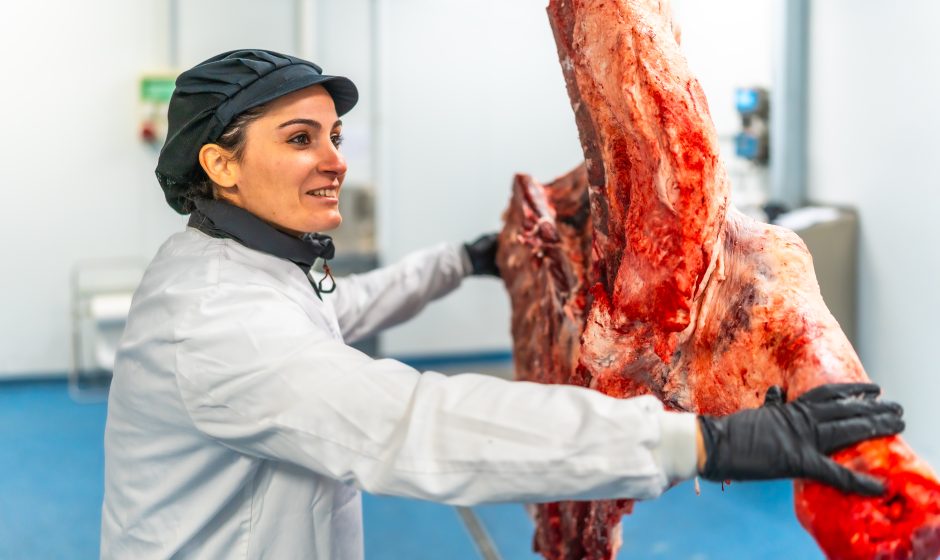

Ensuring the quality and compliance of halal meat is essential for any business that serves Muslim consumers. Whether you’re running a restaurant, catering service, or retail store, sourcing meat from a trusted halal-certified supplier ensures that your business remains compliant with Islamic dietary laws and builds customer trust. Here’s how you can select a trusted halal meat supplier while maintaining quality and compliance.
1. Verify Halal Certification:
The first step in ensuring the quality and compliance of halal meat is verifying the supplier’s halal certification. Look for a supplier who is certified by a recognized halal certification body. These certifying agencies are responsible for ensuring that the supplier follows the appropriate slaughter and processing methods.
When evaluating a supplier, ask for proof of certification and ensure it is up-to-date. The certifying body should be well-known and respected, ensuring that the halal standards they follow meet international and local guidelines. Suppliers without halal certification or those who cannot provide sufficient documentation should be avoided.
2. Check Traceability and Transparency:
Transparency is critical when selecting a halal meat supplier. A trusted supplier should provide clear and verifiable information about where the meat comes from, how it is slaughtered, and its journey through the supply chain. Traceability ensures that the meat is compliant with halal standards and guarantees that the supplier is transparent about their practices.
Ask your supplier for detailed records that document the entire supply chain process. This should include the farm where the animals are raised, the slaughterhouse, and the processing plant. This level of transparency allows you to verify that the meat you’re serving is indeed halal.
3. Quality Assurance and Safety Standards:
Quality assurance is a critical factor when selecting a halal meat supplier. The supplier should have stringent quality control measures in place to ensure that their meat products are fresh, free from contaminants, and meet the required health and safety standards.
Request information on the supplier’s food safety practices, including hygiene, storage, and transportation protocols. The meat should be stored at the correct temperatures, and the supplier should have certifications such as HACCP (Hazard Analysis and Critical Control Points) to ensure that the meat is safe for consumption.
4. Consistency in Product Quality:
Consistency in product quality is essential for businesses that rely on halal meat. Your customers expect the same level of quality with each order, whether it’s for a restaurant menu or a catered event. Look for a supplier who can consistently deliver the same high-quality products, with minimal variation in taste, texture, and appearance.
A reliable supplier should have a robust quality control process that includes regular inspections and audits to maintain consistency. Request samples before committing to a long-term relationship to ensure the quality meets your expectations.
5. Ethical Practices and Animal Welfare:
In addition to halal compliance, consider the ethical practices of your supplier, especially when it comes to animal welfare. Halal slaughter requires humane treatment of animals, and suppliers should follow ethical guidelines in the care and handling of livestock.
Ask your supplier about their animal welfare practices, including how the animals are raised, transported, and slaughtered. Ethical suppliers will go the extra mile to ensure that their animals are treated with respect and that their conditions align with Islamic principles of humane treatment.
6. Communication and Customer Support:
Good communication is key to a successful supplier relationship. Your supplier should be responsive to your needs and open to addressing any concerns or issues you may have. Look for a supplier who provides excellent customer support, whether through regular communication or handling any problems quickly.
Having a dedicated point of contact within the supplier’s organization ensures that your business can quickly resolve any challenges that arise, including delays or product quality concerns.
Conclusion:
Choosing a trusted halal meat supplier is a critical step in ensuring the quality and compliance of your food offerings. By verifying halal certification, ensuring transparency and traceability, maintaining high quality assurance standards, and prioritizing ethical practices, you can source meat that meets halal standards and supports your business’s reputation. The right supplier will be a valuable partner in providing your customers with high-quality halal meat that they can trust.