
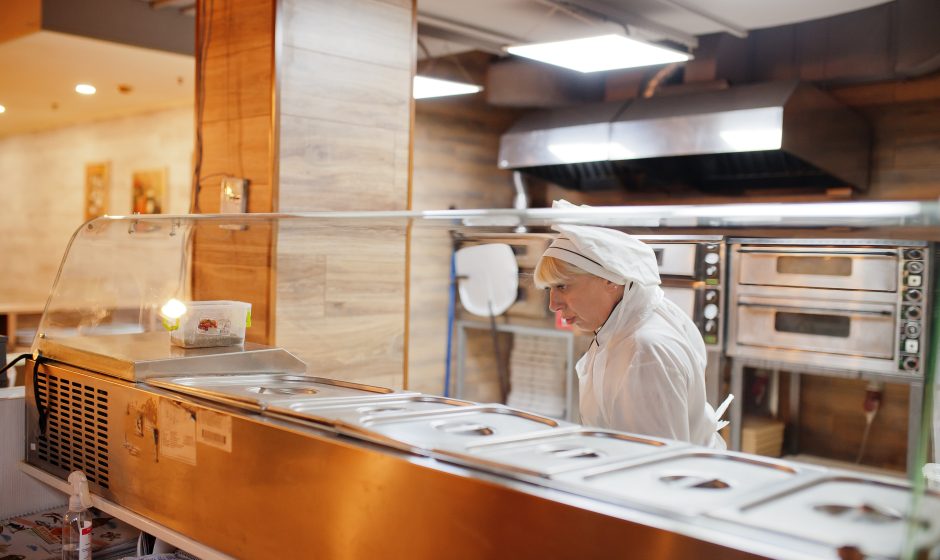

Running a halal kitchen involves more than just ensuring that food is prepared according to Islamic dietary laws. It’s equally important to navigate legal and health compliance regulations that govern food safety, hygiene, and business operations. Whether you’re running a restaurant, catering service, or any other food business that serves halal meals, understanding and adhering to the relevant regulations is essential for maintaining customer trust, avoiding legal pitfalls, and ensuring the quality of your offerings.
In this comprehensive guide, we’ll discuss the key legal and health compliance considerations for operating a halal kitchen.
1. Understanding Halal Certification and Legal Requirements:
Before diving into food safety and health regulations, it’s crucial to understand halal certification requirements. Halal certification ensures that your food adheres to the strict guidelines outlined in Islamic law. This covers everything from sourcing ingredients to the slaughtering process of animals to the handling and preparation of food.
Halal meat, for instance, must come from an animal slaughtered by a Muslim who recites the correct prayers during the process. Additionally, you must ensure that no prohibited ingredients, such as pork or alcohol, are present in your kitchen. Understanding the certification process and having accredited halal certifiers inspect your kitchen will help you ensure compliance and maintain the halal status of your offerings.
2. Health and Safety Regulations: Basic Guidelines:
Health and safety regulations are integral to the operation of any food service business, and halal kitchens are no exception. Complying with these regulations is essential for providing safe food to customers while avoiding potential legal liabilities.
Key regulations to consider include:
-
Food Hygiene: The kitchen must follow strict hygiene practices to prevent contamination. Regular handwashing, sanitizing surfaces, and proper handling of food products are fundamental to ensuring food safety.
-
Temperature Control: Ensuring that food is stored, prepared, and served at the correct temperatures is crucial for preventing foodborne illnesses. Hot foods must be kept at temperatures above 140°F (60°C), while cold foods should remain below 40°F (4°C).
-
Cross-Contamination Prevention: Halal kitchens must be particularly vigilant about cross-contamination between halal and non-halal ingredients. Using separate equipment, utensils, and storage areas for halal and non-halal foods is necessary to maintain halal integrity.
Compliance with local health regulations, such as the Food and Drug Administration (FDA) in the U.S. or Food Standards Agency (FSA) in the UK, is a non-negotiable aspect of kitchen operations. Familiarize yourself with the relevant regulatory bodies in your region and stay updated on their guidelines to avoid fines and legal issues.
3. Employee Training and Food Handling:
In addition to general health and safety regulations, food handling practices are a critical part of legal compliance. It’s vital to train your staff on proper food handling techniques, including how to store, prepare, and serve food safely. All kitchen staff should undergo food safety training and be certified if required by local laws.
Employees should be educated on the importance of:
-
Personal Hygiene: Ensuring that all workers wear appropriate clothing, use gloves when handling food, and wash their hands regularly.
-
Food Storage and Labeling: Properly storing food in the correct environment (refrigeration, freezing) and labeling it with dates to prevent spoilage.
-
Allergen Management: If your halal kitchen handles allergenic ingredients (such as nuts, dairy, or gluten), it’s essential to manage these risks and prevent cross-contact with other foods. Proper labeling and handling of allergens are crucial for compliance.
4. Allergen and Dietary Information:
As with all food businesses, providing accurate allergen and dietary information is a legal requirement in many countries. Halal kitchens must clearly communicate to customers which dishes are halal and which may contain allergens.
Offer menu transparency by including detailed descriptions of ingredients and allergens. Additionally, staff should be trained to answer any questions about allergens and dietary restrictions. Ensuring that customers know the exact ingredients in their food can prevent legal issues and protect your business from liability.
5. Compliance with Local Labor Laws:
In addition to food safety regulations, halal kitchens must comply with local labor laws regarding wages, working conditions, and hours. Ensuring your kitchen operates within the boundaries of employment regulations is essential for maintaining a healthy working environment and protecting the rights of your employees.
Review local labor laws regularly and ensure that your staff is compensated fairly, works within the legal limits, and receives the benefits they are entitled to under local employment legislation.
6. Environmental Health and Safety Standards:
Food businesses must also comply with local environmental health and safety standards, which typically cover waste disposal, pest control, ventilation, and fire safety. Halal kitchens are no different.
-
Waste Management: Proper disposal of food waste, grease, and packaging is essential for maintaining a hygienic environment and preventing contamination.
-
Pest Control: Regular pest inspections are necessary to avoid infestations that could compromise food safety. Ensure that your kitchen is pest-free, and follow the local guidelines for pest management.
-
Fire Safety: Install fire safety equipment, such as extinguishers, and train your staff on fire safety protocols to ensure a safe working environment.
7. Regular Inspections and Audits:
Regular inspections and audits are crucial for maintaining compliance. Local health authorities typically conduct periodic inspections of kitchens to ensure that food safety standards are being followed.
Schedule internal audits of your halal kitchen to ensure that all food safety, halal certification, and legal standards are being met consistently. You can also seek third-party inspections from halal certifiers or consultants to get an unbiased perspective on your compliance efforts.
Conclusion:
Navigating legal and health compliance in halal kitchens requires a strong commitment to food safety, halal practices, and legal standards. By understanding and adhering to halal certification requirements, food safety regulations, allergen management, labor laws, and environmental standards, you’ll ensure that your kitchen operates smoothly and legally. By implementing these best practices, you not only protect your business from legal issues but also build trust and credibility with your customers, ensuring long-term success.