
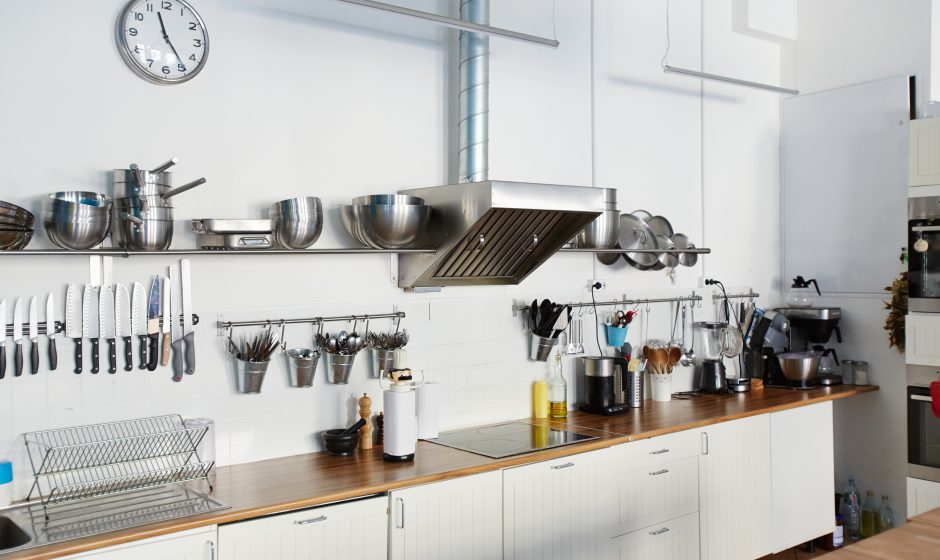

A well-designed kitchen layout is crucial for maximizing efficiency, especially in a commercial setting. Whether you’re opening a new restaurant, updating your existing kitchen, or creating a catering space, an efficient kitchen layout will significantly impact your operations, reduce waste, and improve workflow. In this blog, we will explore essential tips for designing a functional kitchen layout that enhances efficiency.
1. Understand the Flow of Your Kitchen:
The most important aspect of any kitchen layout is its flow. A well-organized kitchen ensures that ingredients, tools, and cooked food can move smoothly from one station to another without unnecessary congestion or delays. The layout should facilitate the easy movement of chefs, food, and dishes throughout the kitchen.
The classic kitchen workflow follows the “production line” approach:
-
Receiving and Storing: The receiving area should be near the kitchen entrance, where ingredients are unloaded and stored properly.
-
Preparation: The prep area is where ingredients are cleaned, chopped, and prepared for cooking. This should be close to the cooking area for smooth transitions.
-
Cooking: Cooking stations should be organized logically, with appliances like stoves, ovens, and fryers grouped together. The cooking area should be positioned for optimal workflow and accessibility.
-
Plating and Serving: The plating station should be near the cooking area, so dishes can be easily transferred and served to customers quickly.
By maintaining this logical progression, you can streamline kitchen operations and ensure an efficient work environment.
2. Consider Workstations for Specific Tasks:
Design your kitchen layout around dedicated workstations for specific tasks. Each station should have all the necessary tools and equipment for the task at hand to minimize unnecessary movement and improve efficiency. Common stations in a commercial kitchen include:
-
Prep Station: This is where ingredients are cleaned, chopped, and prepped. Ensure this area has enough counter space and storage for knives, cutting boards, bowls, and food processors.
-
Cooking Station: This is where the actual cooking happens. Ensure that the cooking station includes stoves, ovens, grills, fryers, and other appliances.
-
Dishwashing Area: Place the dishwashing area away from food preparation and serving areas to avoid cross-contamination. It should have easy access to sinks, dish racks, and cleaning supplies.
-
Service Station: This area should be near the plating and serving area to allow easy transition of finished dishes to waitstaff or customers.
By clearly defining each station, you can create a streamlined kitchen where staff can work efficiently without unnecessary interruptions or movement.
3. Maximize Storage Space:
A cluttered kitchen is an inefficient kitchen. To maximize efficiency, invest in smart storage solutions that keep everything organized and easy to access. Proper storage is crucial to ensure that ingredients and equipment are kept out of the way but remain easy to find when needed.
Consider the following storage tips:
-
Vertical Storage: Use wall-mounted shelves and cabinets to maximize vertical space. This allows you to store ingredients and tools without taking up valuable counter space.
-
Drawer Storage: Incorporate deep drawers for utensils, knives, and other small tools. This keeps them organized and easily accessible.
-
Walk-In Refrigerators: For larger kitchens, walk-in refrigerators and freezers are essential for storing ingredients at the correct temperature. Ensure that these storage units are easily accessible and close to the prep area for optimal workflow.
Proper storage prevents kitchen staff from wasting time searching for ingredients or tools, which ultimately boosts productivity.
4. Ensure Proper Ventilation and Lighting:
A functional kitchen layout also requires proper ventilation and lighting. Without adequate ventilation, your kitchen can quickly become overheated and uncomfortable, impacting staff performance. Inadequate lighting can also lead to mistakes, inefficiencies, and accidents.
-
Ventilation: Install proper exhaust systems to remove heat, steam, and odors from the cooking area. This ensures a comfortable working environment for your staff and helps prevent the buildup of grease and smoke, which can be a fire hazard.
-
Lighting: Bright, well-lit kitchens are safer and more efficient. Ensure that all workstations are well-lit, with focused lighting for tasks like chopping, grilling, or plating. LED lights are energy-efficient and provide excellent visibility.
By focusing on ventilation and lighting, you create a workspace that is comfortable, safe, and conducive to productivity.
5. Optimize Equipment Placement:
The placement of your kitchen equipment plays a key role in optimizing efficiency. Ensure that appliances and tools are placed in a way that minimizes the time spent walking or reaching for supplies. Appliances should be positioned based on their frequency of use.
For example:
-
Place cooking equipment such as stoves and fryers near the prep area so ingredients can be cooked immediately after preparation.
-
Keep storage areas close to workstations for easy access to ingredients and tools.
-
Ensure that the dishwashing area is separated from the cooking and food prep zones to prevent cross-contamination and improve the flow.
By placing equipment thoughtfully, you can eliminate bottlenecks and ensure that the kitchen functions efficiently.
6. Implement Modular Design for Flexibility:
A modular kitchen layout is a flexible option that can evolve as your needs change. Modular systems consist of independent, movable units that can be rearranged or replaced as necessary. This type of design allows you to make changes as your menu or business expands, making it ideal for restaurants that anticipate growth or changing operations.
Modular kitchens are also easier to clean and maintain, as units can be individually removed for deep cleaning. This flexibility also makes modular layouts ideal for catering kitchens or pop-up restaurants where temporary setups are required.
7. Prioritize Workflow Efficiency:
When designing your kitchen layout, always keep efficiency in mind. Aim to reduce unnecessary movement for your staff, ensuring that each step in food preparation, cooking, and serving is streamlined.
-
Ergonomic Design: Incorporate ergonomic design principles to reduce strain on staff members. This includes adjusting counter heights, arranging workstations to avoid excessive bending or reaching, and ensuring that heavy equipment is placed at convenient heights.
-
Minimize Walk Times: Ensure that frequently used ingredients, tools, and equipment are within easy reach of workstations. The less time your staff spends walking around, the more efficient your kitchen will be.
A kitchen optimized for workflow leads to faster preparation times, lower employee fatigue, and fewer errors.
Conclusion:
Maximizing efficiency in your kitchen requires a thoughtful, well-planned layout that enhances workflow, reduces waste, and ensures smooth operations. By prioritizing proper flow, workstation organization, storage solutions, ventilation, lighting, and modular design, you can create a kitchen that maximizes productivity and reduces stress on your staff. A functional kitchen layout is a vital investment that pays off in improved efficiency, better service, and a more enjoyable working environment.