
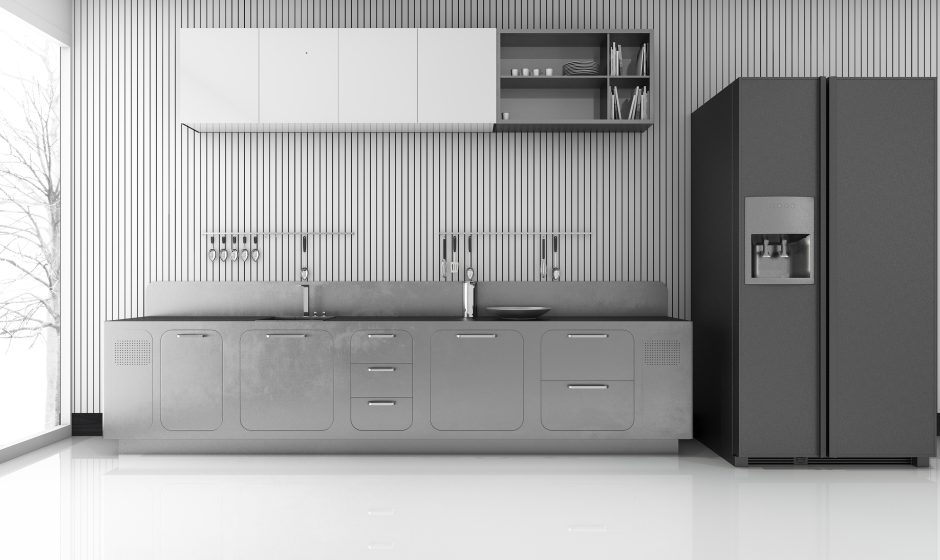

Designing an efficient kitchen layout is essential for running a successful food service operation. Whether you’re operating a small café or a large commercial kitchen, the way your kitchen is laid out directly impacts the flow of food, the speed of service, and the overall experience for both staff and customers. A well-planned kitchen layout improves efficiency, reduces accidents, minimizes waste, and keeps everything running smoothly. In this ultimate guide, we’ll explore how to design a kitchen layout that boosts efficiency in every step.
1. Define Your Kitchen’s Workflow:
Before designing your kitchen layout, it’s important to define how your kitchen will operate. Think about the steps involved in preparing, cooking, and serving food. The goal is to create a smooth, logical flow that allows food and staff to move easily through each stage of production.
A kitchen workflow typically follows these stages:
-
Receiving and Storing: Ingredients are delivered and stored properly in cold storage or dry storage.
-
Preparation: Food is cleaned, chopped, and prepped for cooking.
-
Cooking: The actual cooking process takes place at designated cooking stations.
-
Plating and Serving: The final dish is plated and prepared for serving.
A well-designed kitchen layout minimizes the movement between these stages, allowing your staff to work more efficiently and reducing the chances of delays or errors.
2. Workstations and Equipment Placement:
Each area in the kitchen should be dedicated to a specific task or stage of food preparation. Properly placing equipment and workstations ensures that staff have everything they need at hand, reducing unnecessary movement. Common workstations include:
-
Preparation Stations: These should be located close to storage areas and cooking stations, ensuring easy access to ingredients and tools.
-
Cooking Stations: Stoves, grills, ovens, and fryers should be grouped together for efficient cooking.
-
Cleaning Stations: Dishwashing and cleaning equipment should be separate from food preparation and cooking areas to avoid cross-contamination.
The goal is to ensure that each station is optimized for its specific task, with enough counter space, storage, and equipment to support the job at hand.
3. Optimize Storage for Efficiency:
Storage plays a critical role in kitchen efficiency. Ingredients and tools should be easily accessible and organized to minimize the time spent searching for items. Use shelving units, drawers, and cabinets that are appropriately sized for the items you store. Items should be clearly labeled, and storage should be designed to keep perishable and non-perishable items separate.
-
Cold Storage: Refrigerators and freezers should be strategically placed near the prep area to minimize travel time.
-
Dry Storage: Dry ingredients like spices, grains, and canned goods should be organized by frequency of use, with frequently used items within easy reach.
-
Utensils and Equipment: Store kitchen tools like knives, spatulas, and mixing bowls in drawers or containers for easy access.
4. Prioritize Safety and Comfort:
An efficient kitchen layout also takes safety and staff comfort into account. Ensure that there is enough space between workstations to allow staff to move freely without bumping into each other. A well-organized kitchen reduces the risk of accidents and enhances overall productivity.
-
Ergonomics: Ensure that work surfaces are at the correct height, and that heavy equipment is placed at comfortable levels to minimize strain on staff.
-
Ventilation: Kitchens can get hot and humid, especially in areas near stoves or ovens. Proper ventilation systems, such as exhaust hoods and fans, should be installed to keep air circulating and prevent overheating.
-
Fire Safety: Ensure that fire extinguishers and fire exits are easily accessible and that staff is trained in emergency procedures.
5. Create an Efficient Service Area:
The service area is where plated dishes are delivered to customers or waitstaff, so it’s essential to design this area with efficiency in mind. The service area should be located near the cooking and plating stations to minimize the time it takes to get the finished dish to customers.
-
Serving Counter: The counter should be spacious and organized, allowing staff to plate dishes quickly and efficiently.
-
Communication with Front of House: If your kitchen serves a dining area, the service counter should be in close proximity to the waitstaff area. Use ticketing systems or kitchen display systems to ensure clear communication between the kitchen and front-of-house staff.
6. Use Modular Design for Flexibility:
Modular kitchen designs are highly flexible and allow for easy adjustments as your needs change. Modular kitchens are composed of separate units that can be rearranged or replaced, which makes them ideal for businesses with evolving needs or those that expect growth.
-
Adaptability: Modular designs allow you to add new equipment or modify the layout without major renovations.
-
Ease of Maintenance: Modular systems are easier to clean and maintain, as individual units can be moved for deep cleaning.
7. Keep the Kitchen Clean and Organized:
An efficient kitchen is a clean kitchen. Keep work surfaces, storage areas, and appliances organized to maintain a smooth workflow. Regular cleaning schedules should be implemented, and staff should be trained to clean as they work to prevent the buildup of dirt, grease, and food particles.
Conclusion:
An optimized kitchen layout is the backbone of a successful food service business. By designing your kitchen to support smooth workflow, ergonomics, safety, and communication, you create an environment where your staff can work efficiently, reduce errors, and maintain high food quality. A well-designed kitchen is a critical investment that pays off in improved efficiency, faster service, and a better overall dining experience for your customers.