
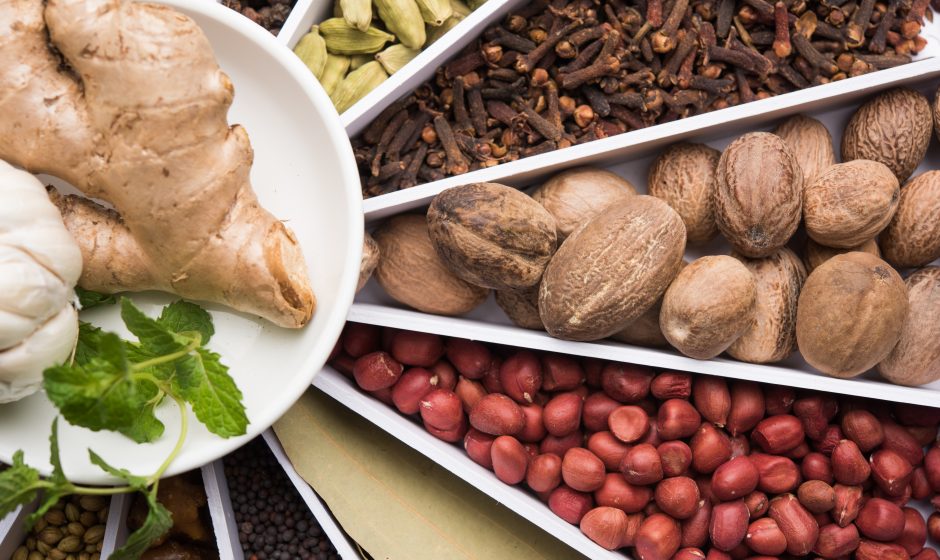

Sourcing high-quality halal ingredients is essential for any business in the halal food industry, whether you are running a restaurant, catering service, or food store. Halal ingredients not only need to meet the strict dietary laws of Islam but should also be of the highest quality to ensure customer satisfaction and compliance with halal standards. In this ultimate guide, we will discuss how to source reliable halal ingredients from trusted suppliers while maintaining product quality.
1. Understand the Halal Certification Process:
Before sourcing halal ingredients, it’s crucial to understand halal certification. Halal certification ensures that the ingredients meet Islamic dietary requirements, which govern how food is prepared, handled, and consumed. Halal-certified ingredients must be free of alcohol, pork, or any other prohibited substances, and they must be processed in a manner consistent with Islamic laws.
When sourcing halal ingredients, look for suppliers that have certification from recognized halal certification bodies. These bodies ensure that the ingredients are halal from farm to table, ensuring the entire supply chain complies with halal standards.
2. Research Trusted Halal Suppliers:
The first step in sourcing high-quality halal ingredients is identifying trusted suppliers. Start by researching local and international suppliers who specialize in halal products. Seek recommendations from other businesses in the halal food industry, as peer referrals can be one of the best ways to identify reliable sources.
Take the time to read reviews and testimonials about the suppliers you are considering. Look for suppliers with a proven track record of providing high-quality halal ingredients consistently. Also, consider suppliers who provide transparency in their sourcing and certification processes.
3. Verify Halal Certifications and Documentation:
Before purchasing halal ingredients, always verify the certification and documentation provided by the supplier. Halal certification can vary by region, so ensure that the supplier’s certification aligns with the halal standards recognized in your country. Additionally, check if the supplier’s certification covers all the ingredients you require.
Suppliers should provide halal certification for every ingredient, whether it’s meat, grains, spices, or dairy. This ensures that every part of your menu complies with halal standards. If the supplier cannot provide certification or is unclear about the source of their ingredients, it’s best to find an alternative source.
4. Assess the Quality of Ingredients:
Quality is just as important as halal certification when sourcing ingredients. High-quality halal ingredients enhance the overall flavor, texture, and nutritional value of your dishes. To assess the quality of ingredients, look for suppliers that offer fresh, properly stored, and well-maintained products. For instance:
-
Meat: Fresh, halal-certified meat should be properly chilled, free from any signs of spoilage, and sourced from ethical suppliers. The meat should also be cut according to halal guidelines.
-
Spices and Dry Goods: Ensure that spices and dry ingredients are stored properly to maintain their freshness and potency. Check that they are free from contaminants and pesticides.
-
Dairy and Vegetables: For dairy and vegetables, look for suppliers who guarantee freshness and have strict hygiene standards in place to avoid contamination.
Ask your suppliers for samples before committing to large orders. This will allow you to evaluate the quality of the ingredients firsthand and make informed decisions.
5. Build Long-Term Relationships with Suppliers:
Building long-term relationships with halal suppliers helps establish trust and consistency in your ingredient sourcing. When you commit to a reliable supplier, they will prioritize your orders, provide better pricing, and accommodate special requests more easily. Strong relationships also allow for more flexibility in case of supply chain issues, and they create opportunities for collaborative improvements in sourcing and delivery.
Communicate regularly with your suppliers about your needs, order volumes, and forecasts. This helps them understand your business and supply you with the right products at the right time.
6. Monitor Ingredient Storage and Handling:
Proper storage and handling of halal ingredients are essential for maintaining their quality and ensuring compliance. Establish storage protocols to ensure that halal ingredients are kept separate from non-halal items, especially meat and dairy products. Use separate refrigerators, storage units, and utensils for halal ingredients to prevent cross-contamination.
Make sure that ingredients, especially perishable ones like meat and dairy, are stored at the correct temperature. For dry goods and spices, ensure that they are stored in a cool, dry, and dark place to prevent spoilage and degradation.
7. Plan for Consistent Supply:
Consistency is key when sourcing halal ingredients. Ensure that your suppliers can meet your regular demands, and have a contingency plan in case of disruptions in the supply chain. It’s essential to work with suppliers who can reliably deliver halal ingredients on time and in the right quantities.
Consider sourcing ingredients in bulk to take advantage of discounts and ensure a consistent supply. However, make sure that bulk items are properly stored to maintain their freshness and quality.
Conclusion:
Sourcing high-quality halal ingredients from reliable suppliers is essential for any business in the halal food industry. By understanding halal certification requirements, researching trusted suppliers, verifying certifications, assessing ingredient quality, and maintaining proper storage and handling practices, you can ensure that your business provides customers with safe, high-quality halal food. Building long-term relationships with suppliers and monitoring supply consistency will help you maintain a steady flow of