
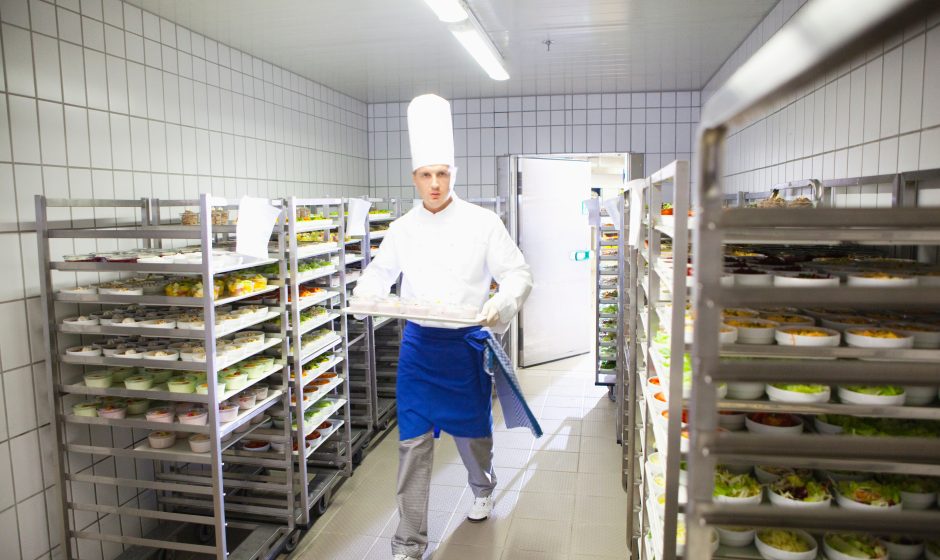

Ensuring food safety is a critical concern for any food business, especially when handling halal foods. Halal food safety not only involves maintaining the integrity of the halal certification but also ensuring that food is stored, prepared, and served in a way that prevents contamination and maintains quality. In this blog, we will discuss the best practices for storing and managing halal foods, emphasizing food safety principles that align with halal dietary laws.
1. Understand Halal Certification Requirements:
The first step to ensuring food safety for halal foods is to understand the halal certification requirements. Halal foods must adhere to strict guidelines that govern the sourcing, handling, and preparation of ingredients. This includes ensuring that no prohibited ingredients, such as pork or alcohol, are present in the food. It also involves ensuring that the meat is slaughtered in accordance with Islamic principles, including the ethical treatment of animals and humane slaughter methods.
Work closely with your halal suppliers to ensure that all ingredients meet halal standards. Verify that all packaging, labeling, and documentation accurately reflect halal certification. This is the foundation of halal food safety, and ensuring that your food comes from certified sources will protect both your business and customers.
2. Maintain Proper Temperature Control:
One of the most important food safety practices for any food business is maintaining proper temperature control. Whether storing halal meat, dairy products, or ready-to-eat meals, food must be kept at safe temperatures to prevent bacterial growth and contamination. The key temperature guidelines to follow are:
-
Cold storage: Store perishable foods, such as halal meat and dairy, at temperatures below 40°F (4°C). Always check refrigeration units regularly to ensure that they are functioning properly.
-
Hot storage: Hot foods should be kept at temperatures above 140°F (60°C). If you’re serving hot halal dishes, ensure that they are maintained at this temperature to prevent the growth of harmful bacteria.
-
Freezing: If storing halal food long-term, freezing is an effective way to preserve food. Frozen halal meat should be kept at or below 0°F (-18°C) to maintain quality and safety.
3. Proper Food Labeling and Rotation:
Proper labeling and rotation of halal food products are crucial in maintaining food safety and preventing food waste. Always label your halal food products with the date they were received or prepared, as well as any expiration dates. This will help staff identify older items and ensure that products are used before they spoil.
Implement the FIFO (First In, First Out) system in your inventory. This system ensures that older stock is used first, reducing the chances of spoilage and contamination. Labeling and rotation help to keep track of halal food items and ensure that only the freshest products are used in meals.
4. Prevent Cross-Contamination:
Cross-contamination is one of the most common causes of foodborne illness. It occurs when harmful bacteria or allergens from one food item come into contact with another. When handling halal foods, it’s essential to implement strict hygiene practices to prevent cross-contamination between halal and non-halal ingredients.
Here are key practices to prevent cross-contamination:
-
Separate halal and non-halal foods: Store halal foods separately from non-halal items, especially pork and alcohol products. This prevents accidental mixing or contamination.
-
Use separate utensils and equipment: Designate separate cutting boards, knives, and cookware for halal foods to prevent contact with non-halal ingredients.
-
Hand hygiene: Ensure that staff wash their hands thoroughly between handling different types of food, particularly when switching between halal and non-halal items.
5. Regular Cleaning and Sanitization:
Regular cleaning and sanitization of food storage areas, preparation areas, and kitchen equipment are essential to ensuring food safety for halal foods. Cleanliness helps prevent the buildup of bacteria, mold, and other contaminants that could compromise food quality.
Make sure that all surfaces, including countertops, storage racks, and refrigerators, are cleaned and sanitized regularly. Use food-safe cleaning agents that don’t leave harmful residues, especially on surfaces where halal foods are prepared or stored. This is particularly important in maintaining the integrity of halal food, as contamination could result in violations of halal standards.
6. Staff Training and Awareness:
Staff training is one of the most effective ways to ensure that food safety standards are adhered to. All employees, from kitchen staff to servers, should be educated about the importance of halal food safety, including understanding the core principles of halal, proper food storage techniques, and how to prevent contamination.
Training staff on how to safely handle, store, and prepare halal foods helps create a culture of food safety within your business. Encourage employees to take food safety certifications and attend regular training to stay updated on the latest practices and regulations.
Conclusion:
Ensuring food safety for halal foods involves a combination of practices that maintain the integrity of halal standards while preventing contamination and spoilage. By following proper storage, temperature control, labeling, and hygiene practices, you can offer your customers safe, high-quality halal meals. A commitment to food safety not only helps you comply with halal regulations but also builds trust with your customers, ensuring that they can enjoy their meals with confidence.