

Creating a memorable brand identity is a powerful way to differentiate your restaurant or catering service from the competition. A well-crafted brand identity communicates your values, attracts loyal customers, and ensures consistency across all customer touchpoints. Whether you’re opening a new restaurant or redefining your catering brand, the process of creating a strong, memorable brand identity is crucial for long-term success. In this blog, we’ll explore how to create a brand identity that resonates with customers and stands out in the marketplace.
1. Define Your Brand’s Core Values:
The first step in building a memorable brand identity is to define your restaurant or catering service’s core values. What do you stand for? What makes your business different from others in the industry? Establishing clear values helps guide your brand’s message and builds trust with your audience.
Ask yourself:
-
What is the purpose of your restaurant or catering service?
-
What do you want your customers to feel when they engage with your brand?
-
What is your commitment to quality, sustainability, or customer service?
Your answers will serve as the foundation for your brand identity and guide your marketing efforts.
2. Identify Your Target Audience:
Understanding your target audience is critical to creating a brand identity that resonates with your customers. Think about the people you want to attract to your restaurant or catering business—whether it’s young professionals, families, or foodies.
To identify your target audience, consider:
-
Demographics: Age, gender, income level, and location.
-
Psychographics: Interests, values, and lifestyles. Do they care about sustainability? Are they looking for a fine dining experience, or do they prefer casual meals?
-
Behavior: What motivates them to choose one restaurant or catering service over another? Is it convenience, price, or quality?
By knowing your audience, you can tailor your messaging, branding, and overall experience to meet their needs and preferences.
3. Craft a Unique Brand Personality:
Your brand personality is the character and tone of your restaurant or catering service. It defines how you interact with customers, how your brand is perceived, and how you communicate your values.
To create a memorable brand personality, think about:
-
Tone of Voice: Do you want your brand to feel professional, playful, or luxurious? The tone of your communication should reflect the atmosphere you want to create in your restaurant or catering service.
-
Visual Identity: Choose colors, fonts, and imagery that match your brand personality. For example, bold colors and playful fonts may appeal to a younger, casual audience, while elegant typography and muted tones suit a fine dining establishment.
-
Brand Story: Your story is an important part of your brand’s personality. Share the journey behind your business—why you started, the inspiration behind your menu, and what drives your passion for food.
By building a strong, consistent brand personality, you create a connection with your audience and make your brand memorable.
4. Create a Memorable Logo and Visual Identity:
A strong visual identity is essential for creating a memorable brand. Your logo is often the first impression customers have of your restaurant or catering business, so it should be easily recognizable and reflective of your brand personality.
Consider the following elements of your visual identity:
-
Logo Design: Work with a designer to create a simple yet memorable logo that communicates your brand’s values and stands out from competitors.
-
Color Palette: Choose a color palette that reflects your brand personality and appeals to your target audience. Colors evoke emotions—use this to your advantage.
-
Typography: Select fonts that match your brand’s tone, whether it’s modern, classic, or playful.
-
Photography Style: The images you use in your marketing materials should match your brand’s aesthetic. Whether it’s high-end food photography or casual, candid shots, consistency in style is key.
5. Deliver a Consistent Experience Across All Touchpoints:
Once you’ve defined your brand’s values, personality, and visual identity, it’s important to deliver a consistent brand experience across all touchpoints, both online and offline. Every interaction customers have with your brand should reinforce your message and contribute to your overall identity.
Consistency matters in:
-
Social Media: Ensure your social media posts, visuals, and tone align with your brand identity.
-
Customer Service: Whether it’s in person, over the phone, or online, your customer service should reflect the values of your brand.
-
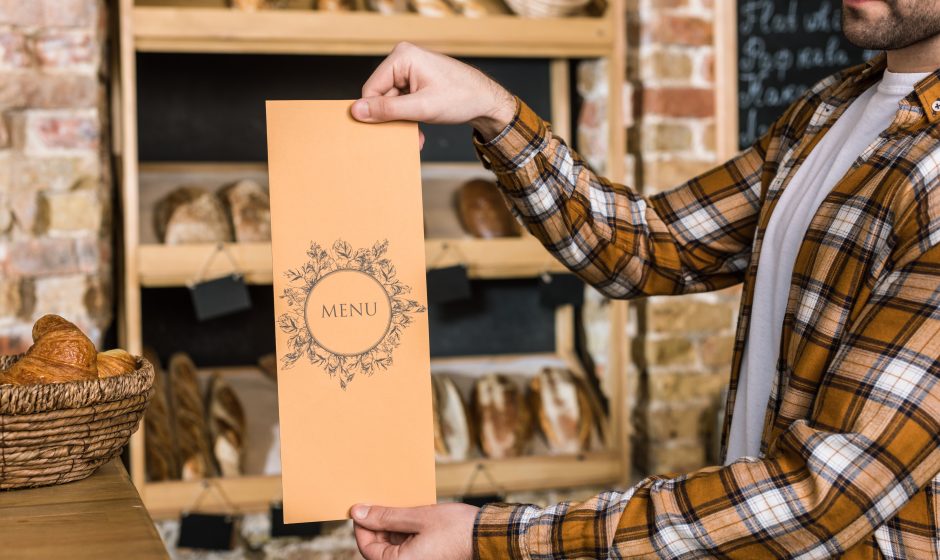
Menu Design and Packaging: The design of your menu, takeout boxes, and catering materials should all align with your brand’s visual identity.
-
Restaurant Ambiance: Your restaurant’s décor, music, and overall atmosphere should match the personality you’ve defined for your brand.
6. Engage with Your Audience and Build Brand Loyalty:
A memorable brand identity is not just about visuals—it’s about creating an emotional connection with your audience. Engage with your customers both online and offline to build brand loyalty.
Here’s how you can foster customer engagement:
-
Social Media Interaction: Respond to comments, ask for feedback, and engage with customers on social media to create a sense of community.
-
Loyalty Programs: Consider offering loyalty programs or rewards for repeat customers, such as discounts or exclusive menu items.
-
Customer Testimonials: Share positive customer reviews and stories to create social proof and show that you care about your customers’ experiences.
Conclusion:
Creating a memorable brand identity for your restaurant or catering service involves defining your brand values, developing a unique personality, and delivering a consistent experience across all touchpoints. By crafting a strong visual identity, telling your brand story, and engaging with your audience, you can build a loyal customer base and set your business apart from the competition. A well-executed brand identity not only attracts customers but also creates long-term success in the competitive food industry.