
In the restaurant and foodservice industry, the visual appeal of your brand plays a significant role in attracting customers, building brand identity, and driving sales. Food photography, menu design, and packaging are three critical elements that contribute to a restaurant’s or catering service’s visual branding. When executed well, they can elevate your brand, enhance customer experience, and set your business apart from competitors. In this blog, we’ll explore how these three elements work together to elevate your brand.
1. The Power of Food Photography in Branding:
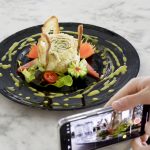
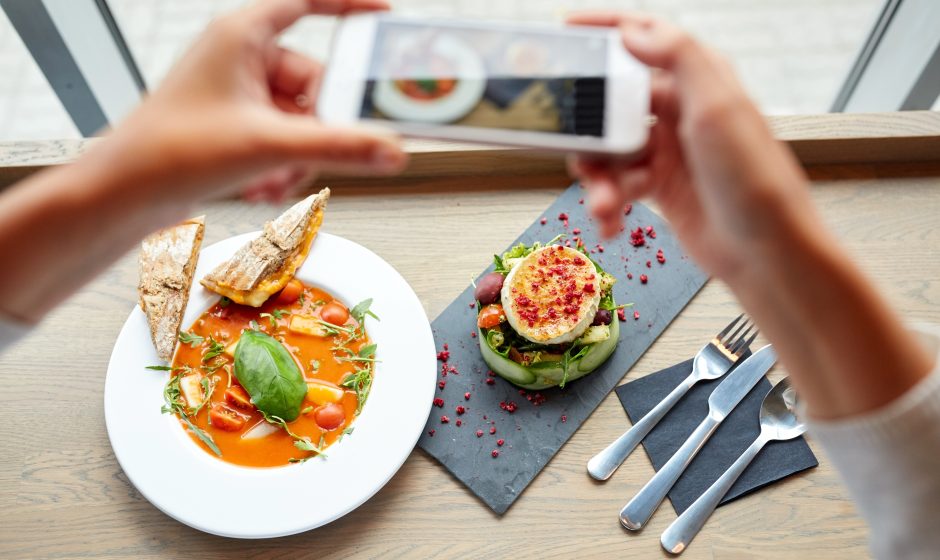
Food photography is one of the most important tools in visual branding for restaurants and catering businesses. A picture truly is worth a thousand words, especially when it comes to food. High-quality, visually appealing food photography can make your dishes irresistible and convey the quality of your brand to potential customers.
-
Creating Desire: People eat with their eyes first. When you post stunning photos of your food on social media or your website, it triggers the desire to taste what you see. Professional food photography helps showcase your dishes in the most flattering light, highlighting textures, colors, and presentation.
-
Consistency in Style: Consistency in food photography helps establish a recognizable brand identity. Whether it’s through the use of a specific filter, backdrop, or lighting, consistent food imagery reinforces your brand’s personality. For example, if your brand is casual and fun, bright and vibrant food photos will resonate with your audience. If your restaurant has a fine-dining atmosphere, elegant and minimalistic photography may better reflect your brand.
-
Social Media Engagement: Platforms like Instagram, Facebook, and Pinterest thrive on beautiful images. By investing in professional food photography, you can create content that attracts followers, generates engagement, and increases the likelihood of customers sharing your posts. User-generated content (UGC) of your dishes can help build brand authenticity and credibility.
2. Menu Design: The Intersection of Function and Visual Appeal:
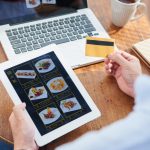
Your menu is one of the first physical representations of your brand that customers interact with, whether it’s in a restaurant or online for a catering service. Great menu design goes beyond simply listing food items; it’s about presenting your offerings in a visually appealing and intuitive manner that enhances the dining experience.
-
Clear and Organized Layout: A well-designed menu is easy to read and navigate. Group similar items together and use headings like “Appetizers,” “Mains,” and “Desserts” to guide customers through your offerings. Ensure the font is legible, and don’t overcrowd the menu with too much information. A clean, organized layout helps customers feel confident in their choices.
-
Reflecting Brand Identity: The design of your menu should match your restaurant or catering business’s style. Use colors, fonts, and imagery that align with your brand’s personality. For instance, a modern, trendy eatery may use bold, minimalistic fonts and a black-and-white color scheme, while a family-friendly restaurant might opt for playful colors and fun fonts.
-
Highlighting Signature Dishes: Use visual cues such as bold text, icons, or boxes to highlight signature dishes, specials, or high-margin items. This can help guide your customers’ choices and boost sales of particular items. Consider including enticing descriptions or pairing recommendations to elevate the customer’s decision-making process.
3. The Role of Packaging in Brand Perception:
Packaging is a vital element of your restaurant’s or catering service’s branding, particularly for takeout and delivery services. Packaging is not just about protecting food; it’s also a reflection of your brand’s quality and attention to detail. Thoughtful packaging can elevate the customer experience, while poorly designed packaging can detract from it.
-
Brand Recognition: Packaging is often the first tangible interaction a customer has with your brand, especially in the case of takeout. Customized packaging with your logo, brand colors, and design elements helps reinforce your brand’s identity. Well-designed packaging can make customers feel like they’re receiving something special, even before they’ve tasted the food.
-
Eco-Friendly Options: Today’s customers are increasingly concerned with sustainability. Offering eco-friendly packaging made from biodegradable or recyclable materials can enhance your brand’s reputation and appeal to environmentally conscious customers. It shows that your brand cares about the planet and is in tune with current trends.
-
Functionality and Aesthetics: Packaging should not only be visually appealing but also functional. Containers should protect the food during transit, prevent leaks, and keep dishes at the right temperature. Consider custom packaging solutions that reflect the style of your brand while also being practical. For example, elegant boxes for fine dining takeout or eco-friendly, compartmentalized containers for catering orders.
4. How These Elements Work Together to Elevate Your Brand:
Food photography, menu design, and packaging are interconnected, and together, they work to elevate your restaurant or catering brand in the minds of customers. These elements should not exist in isolation but instead support one another to create a cohesive brand experience.
-
Consistency Across Touchpoints: From your website and social media posts to your physical restaurant and catering packages, all visual elements should reflect a unified brand identity. When customers experience a seamless connection between food photography, menu design, and packaging, it builds trust and reinforces your brand values.
-
Customer Experience: All three elements—food photography, menu design, and packaging—work together to create a positive, memorable customer experience. Beautiful food images entice customers to make a reservation or place an order. A thoughtfully designed menu helps them navigate their choices and feel confident in their decisions. Well-designed packaging ensures that the food arrives intact and maintains its quality, enhancing the overall experience.
5. Conclusion:
Food photography, menu design, and packaging are not just functional components—they are key elements in shaping your restaurant’s or catering service’s brand identity. By investing in professional food photography, creating an organized and visually appealing menu, and choosing high-quality, thoughtful packaging, you can elevate your brand and leave a lasting impression on your customers. When these elements work together seamlessly, they not only attract new customers but also foster loyalty and repeat business. These visual aspects of your brand have the power to create a memorable experience that goes beyond just a meal—they offer a complete brand experience that customers will want to return to time and time again.