
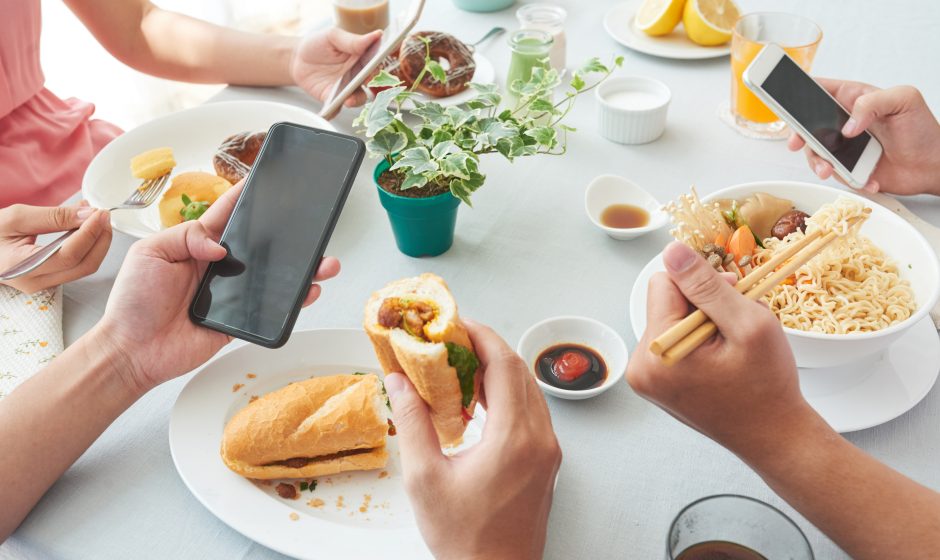

The dining industry has undergone a profound transformation in recent years, driven by technology and changing consumer preferences. Online ordering and delivery models have become integral parts of restaurant operations, enabling businesses to reach customers in new and innovative ways. But what does the future hold for these models? Here, we explore the trends that are revolutionizing the dining experience and how restaurants can adapt to stay ahead of the curve.
1. Rise of Ghost Kitchens and Virtual Brands:
One of the most exciting developments in online ordering and delivery is the rise of ghost kitchens. These are delivery-only kitchens that operate without a physical dining area. Ghost kitchens have significantly reduced overhead costs for restaurant owners and allowed them to tap into the booming online food delivery market. Virtual brands, often based in ghost kitchens, focus solely on fulfilling delivery and take-out orders, offering consumers a broad range of cuisines without the need for traditional brick-and-mortar establishments.
These kitchens enable restaurants to experiment with new menu items or even launch entirely new food concepts without the risk and investment of a full-service restaurant. As more customers turn to delivery for convenience, ghost kitchens are expected to play a significant role in the future of dining.
2. Integration of AI and Personalization:
Artificial intelligence (AI) is shaping the future of the food industry, particularly in the realm of online ordering. AI-powered systems are now being used to predict customer preferences, automate ordering processes, and offer personalized recommendations based on past purchases and browsing behavior. This level of personalization creates a more tailored and efficient experience for customers, leading to higher satisfaction and loyalty.
For example, AI can analyze customer data to suggest new dishes that align with a consumer’s tastes, making the ordering process faster and more convenient. As technology advances, these systems will become even more refined, providing a seamless and individualized dining experience for every customer.
3. Contactless Delivery and Payment Solutions:
The COVID-19 pandemic has accelerated the demand for contactless options in nearly every industry, and food delivery is no exception. Customers now expect touchless payment solutions and the option for delivery drivers to drop off food without physical interaction. Restaurants that integrate contactless payment systems and safe delivery methods will continue to thrive in the post-pandemic world.
Additionally, integrating technology that allows customers to track their delivery in real-time and communicate with delivery personnel via messaging platforms will improve the overall experience. Expect these technologies to become increasingly sophisticated as businesses strive to meet customer demands for safety and convenience.
4. Sustainability in Delivery Models:
As sustainability becomes a top priority for consumers, restaurants are looking for eco-friendly solutions in their delivery and take-out models. Packaging waste, especially single-use plastics, is a growing concern for both customers and restaurant owners. The future of food delivery will likely involve more sustainable packaging options, such as biodegradable containers and reusable delivery bags. Additionally, some restaurants are exploring electric vehicles or bicycles for delivery to reduce carbon footprints.
Consumers are becoming more environmentally conscious, and restaurants that prioritize sustainability will not only appeal to eco-friendly customers but also build stronger reputations for social responsibility.
5. Enhanced Customer Engagement Through Apps:
As online ordering becomes increasingly popular, restaurant owners are focusing on creating user-friendly mobile apps to improve the customer experience. These apps allow customers to place orders quickly, customize their meals, and take advantage of loyalty rewards. Integrated payment systems, push notifications about special offers, and customer feedback features make these apps a crucial tool for enhancing engagement.
In the future, restaurant apps will likely integrate more advanced features like AI-powered chatbots for ordering assistance, real-time inventory updates, and augmented reality (AR) to preview food items in 3D. By providing a seamless and interactive ordering experience, restaurants can foster long-term customer loyalty.