
Kitchen efficiency is essential for restaurants, catering services, and any food-related business that serves a high volume of orders. Streamlining operations not only saves time but also reduces stress, improves service quality, and enhances overall customer satisfaction. In this blog, we’ll explore time-saving techniques that every chef should implement to boost kitchen efficiency.
1. Plan and Prep Ahead of Time:
One of the best ways to save time in the kitchen is by planning and prepping ingredients in advance. This includes:
-
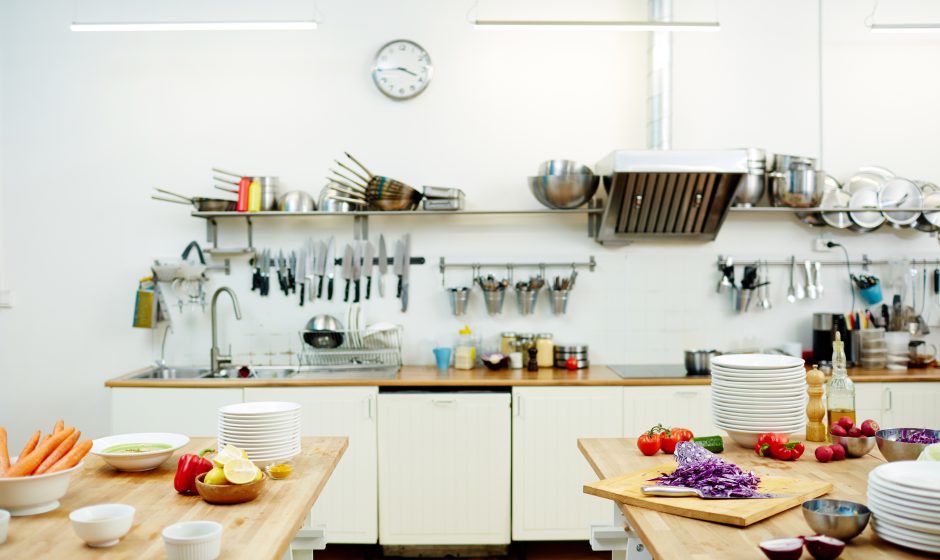
Mise en Place: This French term, meaning “everything in its place,” refers to the practice of organizing and preparing ingredients before cooking. Pre-chop vegetables, portion proteins, and measure spices before the cooking begins to minimize downtime during service.
-
Batch Cooking: Whenever possible, prepare large batches of sauces, dressings, or soups in advance. This reduces the need to make small portions each time an order comes in, freeing up time for other tasks.
-
Stocking Up: Keep your kitchen stocked with the necessary tools and ingredients. Make sure that inventory is checked regularly to avoid running out of essentials during a busy shift.
By planning and preparing ahead of time, you reduce the need to scramble during busy periods, allowing your team to work more efficiently.
2. Use Time-Saving Tools and Equipment:
Investing in high-quality kitchen tools and equipment can significantly improve efficiency. Here are some items that can help:
-
Food Processors and Blenders: These can speed up tasks such as chopping, pureeing, or grinding, cutting down on manual labor.
-
Sharp Knives: A sharp knife is safer and more efficient than a dull one. Ensure your team regularly sharpens knives to keep cutting tasks quick and easy.
-
Induction Cooktops: These cooktops heat up quickly and provide consistent temperatures, helping you save time when cooking large quantities.
By investing in time-saving tools, you can cut down on food prep time and allow your kitchen team to work at a faster pace.
3. Streamline Communication:
Effective communication between kitchen staff is crucial for efficiency. Use clear and concise communication to minimize misunderstandings and ensure everyone is on the same page. Here are some tips:
-
Order Management: Use a digital ordering system that helps track and manage orders in real-time. This ensures that chefs know exactly what’s needed at any given moment.
-
Kitchen Workflow: Organize tasks by station. For example, the grill cook, sauté cook, and pastry chef should have clearly defined responsibilities so they can work efficiently without stepping on each other’s toes.
By fostering clear communication, you ensure that all staff members are coordinated, minimizing delays and improving overall kitchen efficiency.
4. Reduce Waste:
Reducing waste is both environmentally responsible and cost-effective. It also helps to streamline operations by minimizing the amount of time spent handling excess ingredients. To reduce waste:
-
Use Leftovers Creatively: Repurpose leftover ingredients into new dishes. For example, yesterday’s roast vegetables can be turned into a soup or used as a topping for pizza.
-
Portion Control: Keep an eye on portion sizes to prevent overproduction of food that doesn’t get used. Using portion control tools like scoops or measuring cups can help you control waste while ensuring consistency.
By reducing waste, you save time on inventory management, cooking, and cleaning, and you contribute to a more sustainable operation.