
Crafting the perfect halal menu requires a balance between flavor, nutrition, and variety. Whether you’re opening a new restaurant, revamping an existing menu, or designing a catering offering, striking the right balance ensures that your menu appeals to a broad audience while adhering to halal principles. In this blog, we’ll explore how to create the perfect halal menu that combines delicious flavors, healthy ingredients, and diverse options.
1. Focus on Flavorful, Halal-Certified Meats:
The heart of any halal menu is the use of high-quality, halal-certified meats. Whether it’s chicken, lamb, beef, or fish, make sure your meat options are fresh, ethically sourced, and prepared with care. Highlighting the natural flavors of meat through grilling, roasting, or slow cooking can enhance the dining experience and provide richness without relying on heavy sauces or fats.
Season your meats with fresh herbs, spices, and marinades that bring out their natural flavor. For example, a simple marinade of olive oil, garlic, lemon, and thyme can elevate chicken, while a spice rub with cumin, coriander, and paprika can give lamb a warm, earthy taste. Balancing spices and marinades ensures that your meat dishes are flavorful yet not overwhelming.
2. Include Plant-Based and Vegan Dishes:
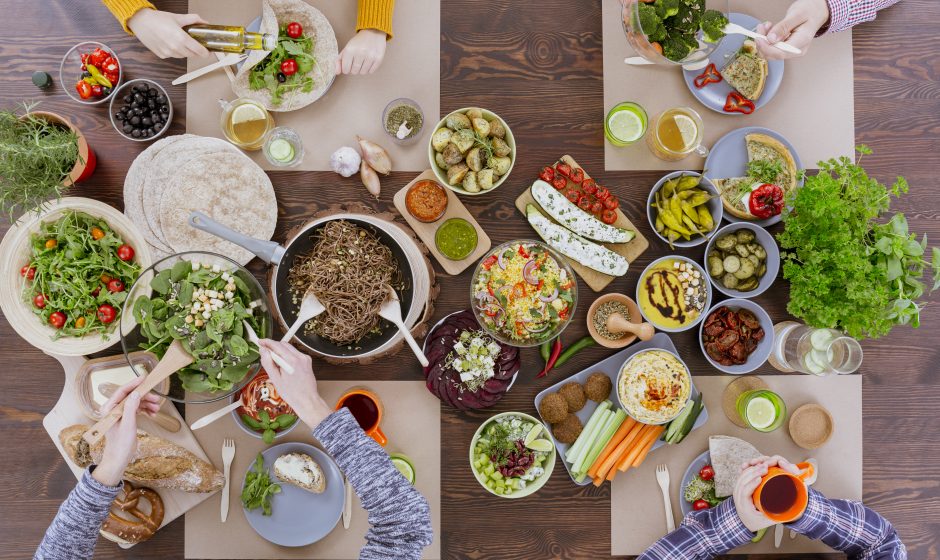
Incorporating plant-based options into your halal menu is essential for offering variety and catering to customers with dietary preferences or restrictions. Include hearty vegetarian and vegan dishes that are packed with flavor and nutrition. Options like stuffed grape leaves, falafel, lentil soups, and vegetable stir-fries are both satisfying and delicious.
For vegan options, create dishes that highlight the natural sweetness of vegetables, like roasted squash or eggplant. Use legumes, nuts, and seeds to create protein-rich dishes, and balance them with fresh herbs and spices to enhance their flavor.
3. Offer a Wide Range of Flavors:
To appeal to all tastes, your halal menu should feature a wide range of flavors, from savory and spicy to sweet and tangy. Offer dishes that incorporate different cuisines and cooking styles, such as Mediterranean, Middle Eastern, South Asian, and even fusion dishes that combine traditional flavors with modern twists.
For example, include a tangy yogurt-based cucumber salad, spicy chicken shawarma, or a comforting bowl of creamy hummus paired with freshly baked pita. Combining traditional flavors with innovative ideas creates a menu that excites and satisfies your guests.
4. Balance with Nutritional Value:
A perfect halal menu is not just about flavor; it also needs to offer nutritional balance. Include dishes that provide lean proteins, healthy fats, and a variety of vegetables. Focus on creating meals that are filling but not overly heavy, ensuring that your menu is both satisfying and healthy.
For example, pair grilled meats with a side of quinoa or brown rice, which provides fiber and complex carbohydrates. Incorporate leafy greens, root vegetables, and legumes to create dishes that are nutrient-dense and balanced.
5. Cater to Special Dietary Needs:
In today’s health-conscious world, it’s important to cater to special dietary needs. Offering gluten-free, dairy-free, and low-carb options can help ensure that your menu is inclusive and accessible to everyone. Make sure to clearly label these options so that customers with dietary restrictions can easily identify them.
For instance, offer gluten-free flatbreads, dairy-free soups, or low-carb cauliflower rice dishes. This not only ensures that all your guests are well-catered for but also demonstrates your commitment to offering variety and inclusivity.
6. Design a Seasonal Menu:
A well-balanced halal menu should evolve with the seasons, taking advantage of fresh, in-season ingredients. Whether it’s spring vegetables like asparagus and peas or winter produce like squash and citrus fruits, seasonal ingredients add vibrancy and flavor to your dishes.
For example, a summer menu might feature a refreshing watermelon and feta salad with a tangy lemon dressing, while a winter menu could include hearty stews with root vegetables and warming spices.
Conclusion:
Crafting the perfect halal menu is about balancing flavor, nutrition, and variety. By focusing on high-quality halal-certified meats, incorporating plant-based options, offering diverse flavors, and catering to special dietary needs, you’ll create a menu that appeals to a wide range of customers. Whether you’re serving a quick lunch or an elaborate dinner, a well-balanced halal menu ensures that your customers will enjoy a memorable dining experience every time they visit.