
A Halal kitchen is a space where food is prepared with purity, care, and respect. Whether you’re an experienced cook or just starting to explore Halal meat dishes, having the right equipment ensures that you can cook efficiently, safely, and in a way that aligns with Halal practices. With the right tools, you’ll be able to create flavorful dishes while maintaining the integrity of your ingredients.
This guide outlines the essential cooking equipment every Halal kitchen needs to set you up for success, whether you’re cooking traditional dishes like biryani or grilling up some juicy kebabs.
1. Halal-Dedicated Knives and Cutting Boards:
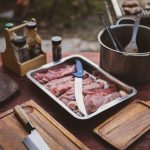
The first and most important pieces of equipment in a Halal kitchen are knives and cutting boards. To avoid cross-contamination and uphold purity, having dedicated tools for Halal meat is crucial.
-
Knives: A high-quality chef’s knife, boning knife, and paring knife are essentials. These knives should be used exclusively for Halal meat, ensuring they never come into contact with non-Halal foods.
-
Cutting boards: Use separate cutting boards for Halal meat and other ingredients. This prevents cross-contact with non-Halal food and avoids any potential contamination.
2. Meat Thermometer for Precision Cooking:
A meat thermometer is a must-have for anyone working with Halal meat. The proper internal temperature ensures that meat is not undercooked or overcooked.
For example:
-
Chicken: 165°F (74°C).
-
Beef (medium): 140°F (60°C).
-
Lamb (well done): 160°F (71°C).
Having a thermometer takes the guesswork out of cooking and guarantees that your Halal meat is cooked safely and perfectly every time.
3. Cast Iron Skillet for Searing Meat:
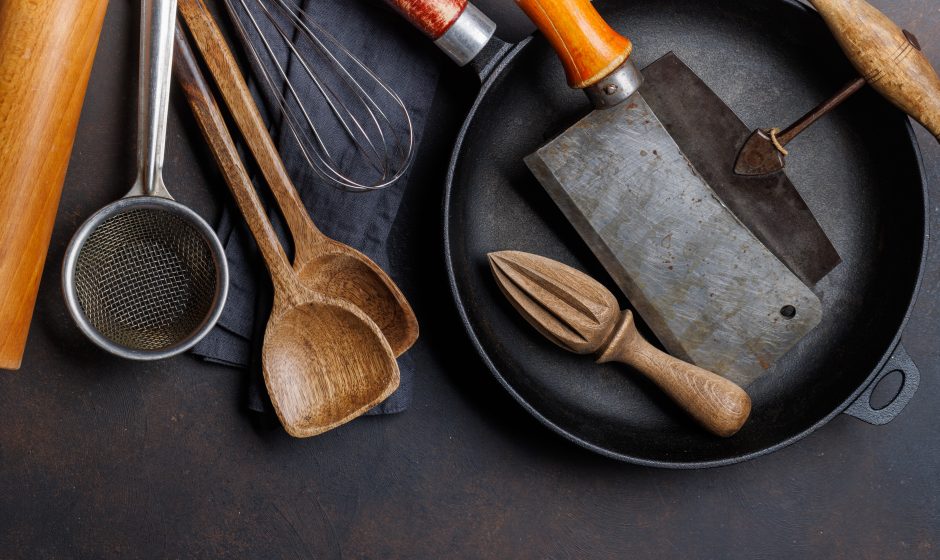
A cast iron skillet is perfect for searing meat, especially for those perfect steaks, lamb chops, and chicken breasts. The skillet holds heat well and provides even cooking, allowing you to create beautifully browned meat that locks in juices.
The benefits of using cast iron:
- Excellent for high-heat searing.
- Creates a nice crust on meats.
- Works on stovetop and in the oven.
- Lasts a lifetime with proper care.
For delicious, perfectly seared Zabiha meat, a cast iron skillet is an essential tool.
4. Dutch Oven for Slow-Cooked Dishes:
Some of the most flavorful Halal meat dishes — like stews, curries, and braises — require slow cooking. A Dutch oven is perfect for these dishes, allowing you to simmer meat for hours, resulting in tender, flavorful meals.
Why a Dutch oven is essential:
- Great for slow-braising tough cuts like lamb shank or beef chuck.
- Even heat distribution for consistent cooking.
- Can be used on stovetop and in the oven.
A Dutch oven is a must for hearty Halal stews and slow-cooked dishes like beef nihari or lamb curry.
5. Grilling Tools for Perfect Barbecue:
If you love grilling Zabiha meat, you need the right tools to achieve perfect results. Grilling Halal meat brings out its natural flavors and creates that beautiful char.
Must-have grilling tools:
-
Tongs for turning meat.
-
Grill brush for cleaning the grill grates.
-
Basting brush for applying marinades and sauces.
-
Meat thermometer to check internal temperature.
Whether you’re grilling chicken kebabs or lamb chops, these tools ensure your grilling experience is easy and efficient.
6. Marinating Bowls and Containers:
Marination is key to infusing Halal meat with flavor. Glass or stainless steel bowls are best for marinating, as they do not react with acidic ingredients like lemon or vinegar.
Why good marinating containers matter:
- Even coating of the meat.
- No chemical reactions (as with plastic).
- Airtight lids to preserve flavor.
Proper marination helps meat absorb spices and tenderizes it before cooking.
7. Storage Containers for Freshness:
Proper storage is crucial to maintaining the freshness of Halal meat. Airtight containers, vacuum bags, and freezer-safe bags keep meat fresh for longer periods, preventing freezer burn and moisture loss.
Best storage practices:
- Use vacuum-sealed bags for freezing to retain flavor and texture.
- Label bags with the date and cut for easy identification.
- Store meat on the bottom shelf of the fridge to prevent contamination.
8. Cooking Utensils and Spoons:
For stirring, flipping, and serving, invest in wooden or silicone spoons that won’t scratch your cookware. These utensils are gentle on non-stick surfaces and are perfect for handling hot, delicate meat.
Final Thought:
A Halal kitchen requires a balance of the right tools to ensure the purity of the ingredients and the quality of the dishes you create. From sharp knives to high-quality slow cookers, investing in the best equipment will not only make cooking easier, but it will also result in dishes that taste better and last longer.
Equip your kitchen with these essentials, and you’ll be ready to create delicious, ethical, and flavorful Halal meals every time.