
Creating a strong visual identity for your restaurant or catering service is key to standing out in a crowded marketplace. Food photography, menu design, and packaging are essential components of your visual identity, each playing a unique role in how your customers perceive your business. In this blog, we’ll provide actionable tips for using these elements to create a cohesive, appealing visual identity that will help your food business thrive.
1. The Importance of Consistent Food Photography:
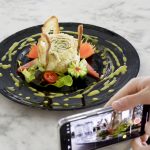
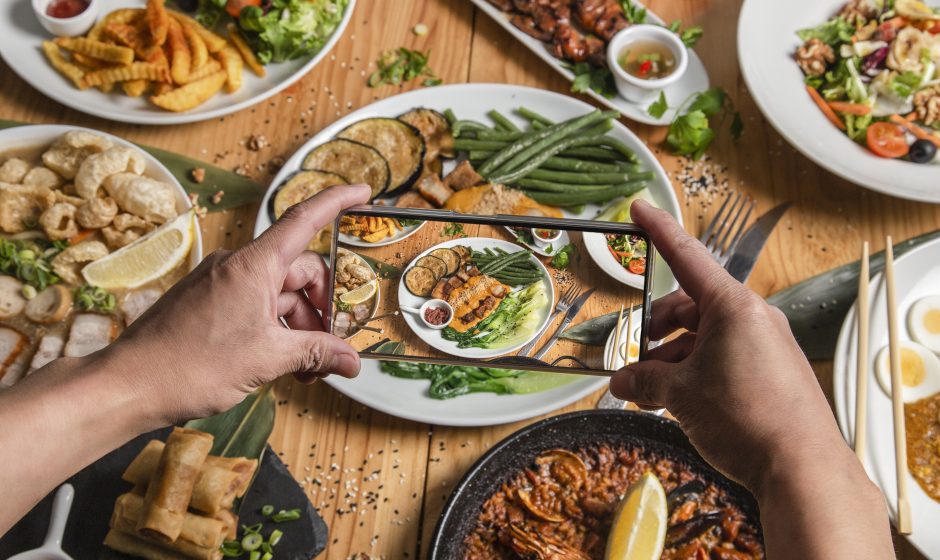
Food photography is one of the most effective ways to communicate the quality of your restaurant’s offerings. A well-photographed dish can entice customers, showcase your food’s beauty, and give a glimpse into the dining experience you offer. Here’s how to make the most of your food photography:
-
Invest in Quality Equipment: While smartphones can produce decent food images, professional-grade cameras capture more detail, better lighting, and clearer textures. If possible, hire a professional photographer or invest in a good camera and learn how to shoot high-quality photos.
-
Lighting is Key: Natural light is your best friend when it comes to food photography. Shooting under soft, natural light helps bring out the colors and textures of your dishes. Avoid harsh overhead lighting, which can create unflattering shadows and uneven colors.
-
Focus on Details: Showcase the finer details of your dishes. Close-ups of intricate food textures or vibrant ingredients can make your food look even more appetizing. Consider using a shallow depth of field to blur the background and focus entirely on the food.
-
Showcase Your Brand Personality: Your food photos should align with your overall brand style. Whether your restaurant has a sleek, modern vibe or a warm, rustic charm, your photos should reflect this aesthetic. For instance, minimalist restaurants may opt for clean, simple compositions, while more casual eateries may choose dynamic, colorful shots.
2. Designing a Menu That Reflects Your Brand:
Your menu is one of the most important physical representations of your restaurant or catering business. An effective menu design not only presents your food in a visually appealing way but also reinforces your brand’s identity. Here are some tips for creating a menu that works for your business:
-
Clear, Organized Layout: A cluttered menu can overwhelm your customers. Ensure your menu is well-organized, with clear sections for appetizers, mains, desserts, and drinks. Use readable fonts and ensure there’s enough space between items so your customers can easily scan the offerings.
-
Reflect Your Brand Style: Your menu design should align with your restaurant’s brand identity. For a casual, fun vibe, use playful fonts, bright colors, and a less formal layout. For a fine dining restaurant, a more elegant, understated menu with sophisticated fonts and minimalistic design will reflect your high-end service.
-
Highlight Specials and Signature Dishes: Use design elements like borders, icons, or different font styles to draw attention to your signature dishes or specials. Consider creating a section for customer favorites or chef recommendations to guide your diners’ choices.
-
Incorporate Descriptive Language: Adding mouth-watering descriptions to menu items helps customers visualize the food and increases the likelihood of an order. Describe textures, ingredients, and cooking methods that will make your dishes sound irresistible.
3. Packaging: The Final Element of Visual Branding:
Packaging is often the first physical interaction customers have with your restaurant, especially for takeout or delivery. Well-designed packaging not only protects the food but also elevates the customer experience and reinforces your brand.
-
Eco-Friendly Options: Today’s consumers are increasingly eco-conscious. Offering sustainable packaging options made from biodegradable or recyclable materials reflects your commitment to the environment and can be a key differentiator for your brand.
-
Incorporate Branding Elements: Use your logo, brand colors, and design elements on packaging to create a cohesive look. Whether it’s takeout bags, food containers, or napkins, make sure your branding is clearly visible to reinforce your identity.
-
Quality Packaging for Presentation: Even for takeout, the presentation of your food matters. Invest in high-quality packaging that ensures the food arrives in great condition and looks appealing. Custom packaging can also set your restaurant apart from others in the market.
-
Add Personal Touches: Include thank-you notes, branded stickers, or a small freebie like a dessert or sauce packet. These thoughtful touches enhance the customer experience and encourage repeat orders.
4. Bringing It All Together:
Food photography, menu design, and packaging should work together seamlessly to create a cohesive visual identity for your restaurant or catering business. All three elements should reflect the same brand values and aesthetic, ensuring a consistent experience from your online presence to the customer’s dining experience.
By aligning your photography, design, and packaging with your brand, you create a memorable experience that will resonate with customers and set you apart from the competition. Whether customers are browsing your website, looking at your menu in your restaurant, or receiving their food via delivery, a cohesive visual identity reinforces your brand and encourages loyalty.
Conclusion:
Creating a strong visual identity through food photography, menu design, and packaging is essential for your restaurant or catering business’s success. These elements allow you to communicate your brand’s values, attract customers, and build loyalty. By investing in high-quality photography, thoughtful menu design, and creative packaging, you can elevate your brand and create a lasting impression on your customers. A well-crafted visual identity not only draws customers in but keeps them coming back for more.