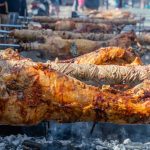
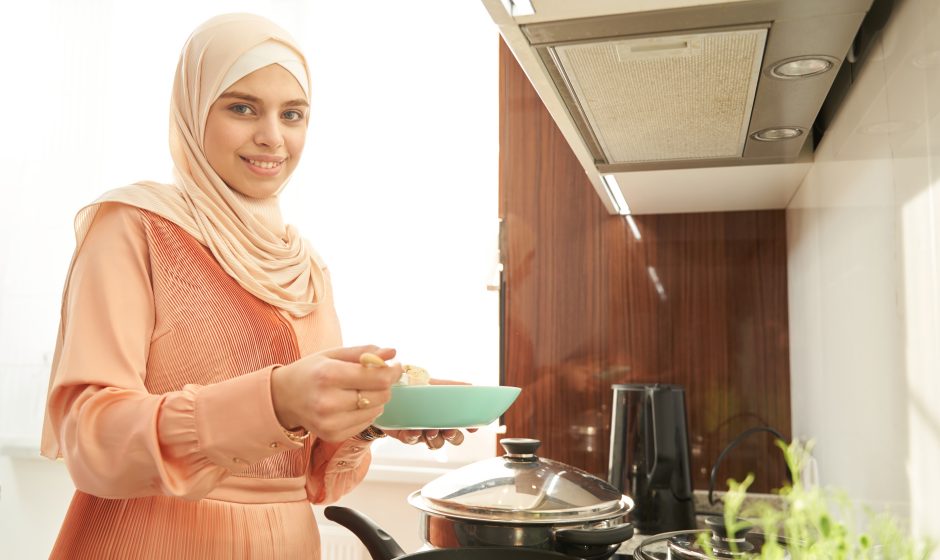

A Zabiha-friendly kitchen is essential for Muslims who want to prepare halal meals that adhere to Islamic dietary laws. Zabiha meat, which is slaughtered according to specific Islamic guidelines, plays a key role in halal cooking. To ensure your meals are in line with Islamic teachings, it’s important to create a dedicated space in your kitchen that fosters cleanliness, prevents cross-contamination, and supports ethical food practices.
In this blog, we will explore the essentials for setting up a Zabiha-friendly kitchen, offering practical tips to help you maintain a halal cooking environment at all times.
1. Sourcing Zabiha Meat
The foundation of any Zabiha-friendly kitchen is sourcing halal-certified Zabiha meat. Whether you’re buying beef, lamb, chicken, or goat, it’s crucial to ensure that the meat is certified halal and has been slaughtered following Islamic guidelines.
Choose Reputable Suppliers
Look for trusted butchers or supermarkets that offer halal-certified Zabiha meat. When buying in bulk, ensure the butcher has appropriate certifications, and verify that the meat is Zabiha-certified. Many halal butcher shops will provide information about where the meat is sourced, and whether it has been handled according to Zabiha principles.
Frozen vs. Fresh Meat
Fresh Zabiha meat is often preferred for its superior flavor and texture. However, if fresh meat is not readily available, purchasing frozen Zabiha meat from reputable suppliers can be a good option. Be sure to check the packaging for any signs of freezer burn or poor quality.
2. Separate Cooking and Storage Areas for Halal Meat
A Zabiha-friendly kitchen requires careful organization to prevent cross-contamination between halal and non-halal foods. Establishing a clear separation for Zabiha meat is critical.
Separate Cutting Boards and Utensils
Use dedicated cutting boards and utensils for Zabiha meat to avoid contamination with non-halal meats. If possible, label these items with stickers or permanent markers to indicate that they are halal-only.
Halal Storage Zones
Create a dedicated storage space in your refrigerator and freezer for Zabiha meat. Use separate containers or bins to store halal products, ensuring that they don’t come into contact with non-halal food. If you have space, consider dedicating a specific shelf or section of the fridge for your halal meat.
3. Cleanliness is Crucial
Maintaining a clean kitchen is essential for creating a Zabiha-friendly environment. Cross-contamination can easily occur when handling raw meat, so it’s important to be thorough when cleaning.
Clean Countertops and Surfaces
Always clean countertops and work surfaces before and after preparing Zabiha meat. Use hot soapy water or a disinfectant that is safe for kitchen use. Ensure that any area that has come into contact with raw Zabiha meat is sanitized properly.
Dedicated Cleaning Cloths and Sponges
Have a set of cleaning cloths or sponges specifically for your Zabiha meat preparations. This will prevent any cross-contact with non-halal items. Be sure to wash them frequently.
4. Organize Your Ingredients
Having a Zabiha-friendly kitchen isn’t just about the meat – it’s also about the ingredients you use in your dishes. Ensure that all your cooking ingredients, from spices to oils, are halal and free from any non-halal additives.
Halal-Certified Spices and Sauces
Before purchasing spices, sauces, and canned goods, always check for halal certification. Many spices like cumin, coriander, turmeric, and cardamom are naturally halal, but it’s still a good practice to check labels to ensure that no haram substances like alcohol or pork-derived ingredients are included.
Avoiding Non-Halal Additives
Some processed foods and ready-made sauces may contain non-halal additives such as gelatin (often derived from pork) or alcohol-based flavorings. Always check ingredients and avoid these products when cooking Zabiha meals.
5. Meal Prep and Cooking Equipment
A well-equipped kitchen is essential for cooking delicious Zabiha meat. Here are some must-have tools for your Zabiha-friendly kitchen:
-
Grill: Whether it’s an outdoor BBQ or an indoor grill pan, a dedicated grill for Zabiha meat will ensure no contamination with non-halal food.
-
Slow Cooker: Ideal for cooking lamb stews, goat curries, and beef brisket, slow cookers allow you to tenderize tough cuts of meat, bringing out the full flavor of Zabiha meat.
-
Food Processor or Blender: For making marinades, spice blends, or ground meat, a dedicated food processor can help streamline your Zabiha meat preparation.
6. Halal Meal Planning
Meal planning can help you keep your kitchen organized and ensure that you are using fresh ingredients. Plan ahead for your weekly meals and make a shopping list based on Zabiha-friendly ingredients. When you plan your meals, it will be easier to ensure that you’re only using halal-certified ingredients and that everything in your kitchen is aligned with halal standards.
Conclusion: Creating a Zabiha-Friendly Kitchen for Delicious Meals
A Zabiha-friendly kitchen is essential for anyone who wants to prepare halal meals that align with Islamic values. By sourcing halal-certified Zabiha meat, keeping your cooking areas separate, maintaining cleanliness, and organizing your ingredients, you can create a kitchen that’s perfect for preparing delicious, halal meals. With these practical tips, you’ll be able to enjoy cooking Zabiha meals with ease and confidence, knowing that you are upholding the values of faith, purity, and community.