
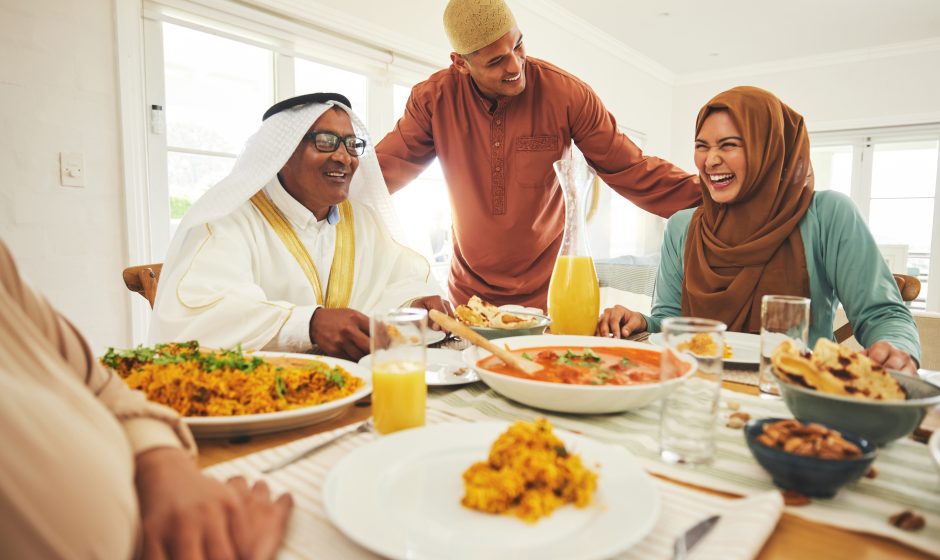

Zabiha meals hold great cultural and religious significance in Muslim communities around the world. These meals, prepared using meat that has been slaughtered according to Islamic guidelines, are not just about nourishing the body but also about adhering to principles of faith, ethics, and purity. When serving Zabiha meals, there are specific cultural etiquettes that are essential to ensure that the meal is enjoyed in accordance with tradition, respect, and hospitality.
In this blog, we will explore the cultural etiquette for serving Zabiha meals, from the preparation to the dining experience, and what you should know to ensure that your meal is both respectful and enjoyable.
The Preparation of Zabiha Meals:
The process of preparing Zabiha meals goes beyond just cooking; it involves spiritual and ethical considerations to ensure the food is prepared in accordance with Islamic principles.
1. Ensuring Halal Ingredients:
The first step in preparing a Zabiha meal is to ensure that all ingredients used in the cooking process are halal. This includes checking that the meat is sourced from a halal-certified butcher and that there are no haram (forbidden) ingredients like alcohol or pork in the recipe. Many Muslims also avoid using gelatin derived from non-halal sources, as it is often used in desserts or food additives.
2. Ethical Slaughter:
For the meat to be considered Zabiha, it must come from an animal that has been slaughtered according to the Zabiha method. This method emphasizes the humane treatment of animals, ensuring that they are slaughtered swiftly and with respect. The meat must be properly drained of blood, and the name of Allah must be invoked before the slaughter.
3. Cleanliness and Hygiene:
Halal food laws emphasize cleanliness and hygiene in the preparation of meals. Muslims believe that food should be free from impurities, and this includes maintaining a clean cooking environment and ensuring that utensils and kitchen equipment are properly sanitized. The kitchen should be a place of purity, and the food prepared should be wholesome and clean.
Cultural Etiquette When Serving Zabiha Meals:
The cultural etiquette surrounding Zabiha meals extends beyond the preparation process to how the meal is served and enjoyed. Here are some key aspects of this etiquette:
1. Serving with Respect:
Zabiha meals should be served with respect and humility, reflecting the spiritual nature of the food. When inviting guests for a meal, it is customary to greet them with warmth and hospitality. Muslims often use phrases like “Bismillah” (In the name of God) before starting the meal and “Alhamdulillah” (Praise be to God) after finishing, expressing gratitude for the food and for God’s provision.
2. Sharing with Others:
One of the key cultural values in serving Zabiha meals is the emphasis on sharing. The act of sharing food is a fundamental aspect of Islamic hospitality, and Zabiha meals are often served in large quantities to ensure that everyone is fed, including family, friends, and guests. In many Muslim cultures, it is also customary to offer food to neighbors, the elderly, and those in need.
3. Eating with Your Right Hand:
In Islamic tradition, eating with the right hand is considered more respectful and is seen as a sign of cleanliness. The Prophet Muhammad is said to have instructed his followers to eat with their right hand, and this practice is upheld in Muslim communities around the world. The left hand is traditionally considered less clean and is reserved for other activities, such as personal hygiene.
4. Avoiding Waste:
Another important cultural aspect of serving Zabiha meals is the value placed on avoiding waste. In Islam, wasting food is considered disrespectful, and Muslims are encouraged to eat only what they need and to finish what is on their plate. This practice of mindful eating ensures that food is not taken for granted and is treated with respect.
Conclusion:
Serving Zabiha meals is not just about following dietary laws but also about embracing the rich cultural traditions that come with them. From ensuring the meat is halal to serving meals with respect and humility, the etiquette surrounding Zabiha meals reflects the deep spiritual and ethical values of Islam. By adhering to these cultural practices, Muslims can ensure that their meals are enjoyed in accordance with their faith, fostering a sense of gratitude, community, and respect.