

The halal food industry has seen rapid growth in recent years, driven by an increasing global demand for food that adheres to Islamic dietary laws. For food businesses looking to cater to the halal market, ensuring halal compliance is essential to building trust with customers. Hygiene plays a key role in this process, as food safety and cleanliness are fundamental to maintaining halal integrity. In this blog, we’ll explore the best practices for ensuring hygiene and halal compliance in the food industry.
1. Understand Halal Guidelines and Certifications:
To ensure halal compliance, it is crucial for food businesses to fully understand the principles of halal food. Halal refers to food and drinks that are permissible according to Islamic law, and halal guidelines cover various aspects of food preparation, handling, and consumption. The guidelines prohibit certain ingredients and practices, such as the use of alcohol or pork and the mixing of halal and non-halal products.
One of the first steps in ensuring halal compliance is obtaining a halal certification from a recognized certifying body. These bodies have strict standards for halal food production and hygiene practices, ensuring that food is prepared and handled according to the principles of Islamic law. Certification agencies often provide regular audits and inspections to ensure compliance, helping businesses maintain the highest standards of halal hygiene.
2. Implement Strict Hygiene Practices:
Hygiene is a critical aspect of ensuring halal food quality. It is essential to prevent contamination during food handling and processing to maintain both hygiene and halal compliance. Here are some best hygiene practices:
-
Separation of Halal and Non-Halal Products: One of the most important hygiene practices is ensuring that halal and non-halal products do not come into contact with each other. This includes using separate storage areas, preparation surfaces, utensils, and equipment for halal and non-halal foods. Cross-contamination between halal and non-halal food products can invalidate the halal certification.
-
Cleaning and Sanitization: Regular cleaning and sanitization of kitchen surfaces, utensils, and equipment is crucial for preventing bacterial contamination. Proper cleaning procedures must be followed, especially after handling raw foods such as meat, poultry, and seafood. Halal food establishments should use certified cleaning products to ensure they meet the required hygiene standards.
-
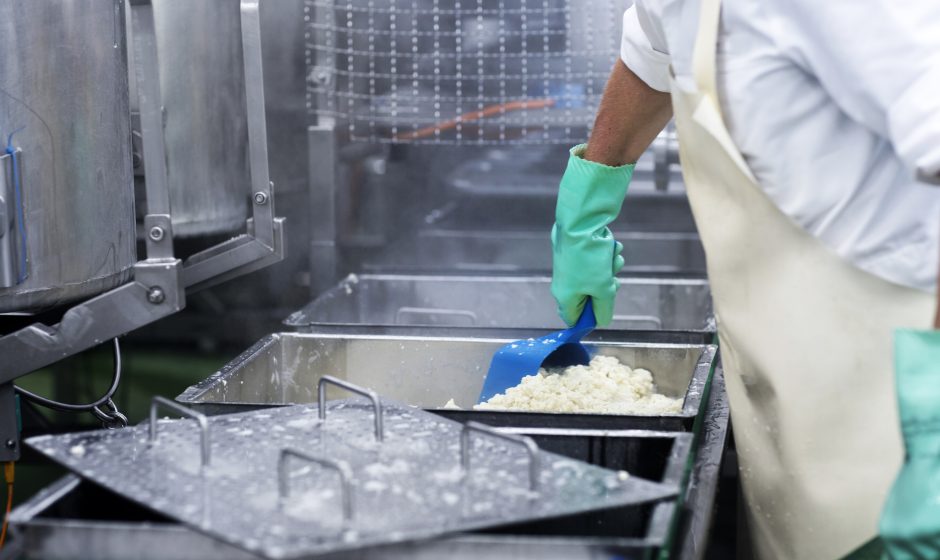
Employee Hygiene: Employees should adhere to strict personal hygiene practices. This includes regular handwashing with soap, wearing gloves, and maintaining proper hair and clothing hygiene to prevent contamination. Employees should also avoid touching halal food with bare hands, especially when handling raw meat or other raw ingredients.
-
Pest Control: Regular pest control measures must be in place to avoid contamination. A pest-free environment is crucial for maintaining the integrity of halal food.
3. Track and Monitor Food Temperature:
Maintaining proper food temperatures is vital for ensuring food safety and halal compliance. Proper storage of food at the right temperature prevents spoilage and bacterial growth, ensuring that food remains safe for consumption.
Halal meat should be stored at appropriate temperatures to prevent contamination from harmful bacteria. Additionally, hot foods should be kept at high temperatures, and cold foods should be stored at low temperatures. Food businesses should use food thermometers to track and ensure that food is cooked, stored, and served at the correct temperatures.
4. Proper Packaging and Labeling:
Food packaging is another important factor in ensuring halal compliance and hygiene. Packaging materials should be safe for food use and prevent contamination. Halal food products must also be labeled correctly to indicate that they are certified halal. Packaging should not only be hygienic but should also protect the food from external contaminants.
Halal-certified packaging should indicate certification logos and labels to inform consumers that the food adheres to halal standards. Clear and accurate labeling is essential, especially when it comes to listing ingredients and production methods.