
Ensuring the safety and compliance of a halal kitchen goes beyond simply preparing halal food—it’s about adhering to strict legal and health regulations to safeguard both your customers and your business. Whether you’re running a restaurant, catering business, or grocery store that offers halal products, understanding and following the right protocols is essential. In this blog, we’ll explore the key legal and health regulations you need to follow to ensure that your halal kitchen remains safe, compliant, and successful.
1. Halal Certification and Religious Compliance:
The foundation of any halal kitchen is the adherence to halal dietary laws. These laws govern the sourcing, handling, and preparation of food to ensure that it is lawful (halal) for consumption by Muslims. Halal certification is the formal validation that food products meet the strict requirements set forth in Islamic law.
-
Halal Meat: Halal meat must be sourced from animals slaughtered in accordance with Islamic principles. This involves using specific methods for slaughtering, including the recitation of a prayer at the time of slaughter.
-
Avoidance of Prohibited Ingredients: Halal kitchens must ensure that no pork, alcohol, or other haram (forbidden) ingredients are used in food preparation. This includes checking labels on processed foods and sauces for hidden non-halal ingredients.
Complying with halal certification requirements is essential for maintaining the authenticity of your business and attracting customers who follow halal dietary laws.
2. Food Safety Standards: Temperature, Storage, and Hygiene:
Food safety is paramount in any kitchen, but it’s particularly important in halal kitchens where cross-contamination and improper food storage could violate halal principles. Key food safety regulations include:
-
Temperature Control: Halal meat, like all perishable items, must be stored at the correct temperature to prevent bacterial growth and spoilage. Ensure that cold storage is at or below 40°F (4°C) and hot foods are kept at a temperature above 140°F (60°C). Freezer temperatures should be kept at 0°F (-18°C) or lower.
-
Cross-Contamination Prevention: Preventing cross-contamination between halal and non-halal ingredients is essential. Use separate cutting boards, utensils, and storage areas for halal and non-halal items.
-
Cleanliness and Hygiene: Regular cleaning and sanitization of kitchen surfaces, utensils, and equipment are vital for maintaining food safety. Employees should be trained in proper handwashing techniques, use of gloves, and food handling practices to minimize contamination risks.
Following food safety guidelines is essential for maintaining a safe, halal-compliant kitchen and preventing foodborne illnesses.
3. Compliance with Local Health Regulations:
In addition to halal-specific requirements, halal kitchens must comply with local health and food safety regulations. These regulations govern how food should be stored, prepared, and served to ensure public health and safety. Local authorities may conduct regular inspections to check compliance with these standards, and failure to meet regulations can result in fines or even closure.
-
Food Handling: Employees must be trained on proper food handling procedures, including how to store, prepare, and serve food safely.
-
Hygiene and Sanitation: Local health codes often include requirements for cleaning schedules, sanitizing equipment, and maintaining proper waste disposal.
-
Pest Control: Ensuring your kitchen is free from pests is critical to complying with local health regulations. Regular pest control services and inspections help maintain a safe environment.
Make sure your halal kitchen undergoes routine health inspections and follows all local regulations to avoid potential legal issues and ensure customer safety.
4. Allergen Management and Labeling:
Allergen management is a significant part of food safety and legal compliance. Halal kitchens must be aware of common allergens (such as nuts, dairy, wheat, and gluten) and ensure that customers are informed about potential allergens in their food.
In many regions, food businesses are required to label products with allergen information or clearly communicate allergen risks on menus. Halal kitchens should take steps to ensure that allergens are handled properly to prevent cross-contact. This includes:
-
Separate Storage: Store allergenic ingredients separately from other foods to avoid cross-contamination.
-
Clear Labeling: Include allergen information on menus or packaging, particularly for takeout or packaged meals.
This level of transparency helps build trust with your customers and ensures that you are legally compliant.
5. Waste Management and Environmental Compliance:
Waste management is an important but often overlooked aspect of kitchen compliance. Proper disposal of food waste, packaging materials, and other refuse is required to ensure a safe and environmentally responsible operation.
Halal kitchens must adhere to local waste management regulations, ensuring that food waste is disposed of properly to avoid contamination and health risks. Additionally, kitchens should comply with environmental laws related to water usage, energy consumption, and waste disposal. Reducing food waste through careful inventory management also helps improve your sustainability efforts.
6. Employee Health and Safety:
Employee health and safety are regulated under labor laws, and kitchens are subject to workplace safety standards that ensure a safe working environment. Halal kitchens must comply with these regulations, which include:
-
Employee Training: Staff should be trained in food safety practices, including the correct handling of halal meat, cleaning procedures, and allergen management.
-
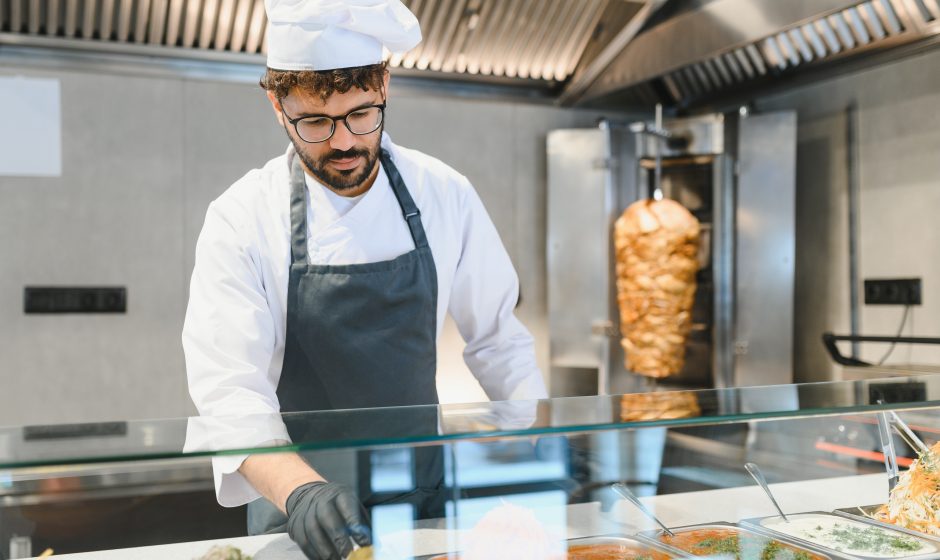
PPE Requirements: Personal protective equipment (PPE), such as gloves, aprons, and hair coverings, should be worn by kitchen staff to prevent contamination.
-
Emergency Protocols: Halal kitchens should have clear emergency protocols in place for dealing with accidents, injuries, or foodborne illnesses.
Conclusion:
Ensuring the safety and compliance of your halal kitchen requires careful attention to both halal-specific guidelines and general food safety regulations. By understanding and adhering to halal certification requirements, food safety standards, local health regulations, allergen management, and employee health and safety protocols, you can run a kitchen that is both compliant and safe for customers and staff alike. Compliance is not just a legal obligation—it’s also an essential part of maintaining the trust of your customers and ensuring the long-term success of your business.