
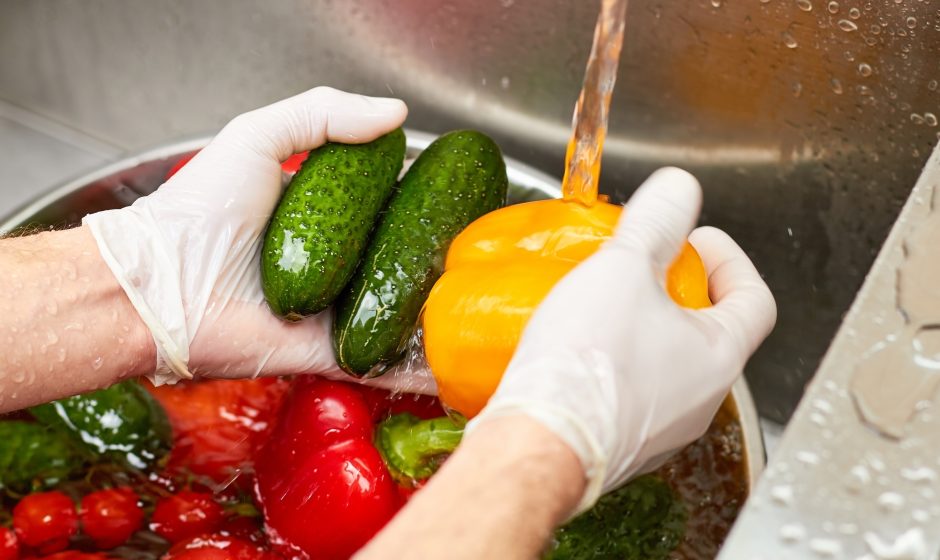

Food safety is a critical concern for every food establishment. Whether you’re running a restaurant, catering business, or food production company, ensuring the safety and hygiene of your food is essential to protecting your customers and maintaining your reputation. This blog outlines essential food safety practices that ensure compliance with food regulations and safeguard the health of your customers.
1. Understand and Follow Local Food Safety Regulations:
Every region or country has specific food safety regulations that must be followed to ensure compliance. These regulations cover everything from food storage and handling to preparation and serving. Familiarize yourself with local laws and industry standards, such as the Hazard Analysis Critical Control Point (HACCP) system, to ensure that your kitchen practices meet all safety requirements.
Stay up-to-date with changing regulations and regularly train your staff to comply with the latest food safety standards. This ensures that your business is always operating within the bounds of the law and reduces the risk of legal issues.
2. Train Staff on Proper Hygiene Practices:
Food safety begins with the people handling the food. Ensure that all kitchen staff are properly trained in personal hygiene practices, including handwashing, the use of gloves, and proper attire (e.g., hairnets, aprons). Employees should wash their hands regularly, particularly before preparing food, after using the restroom, and after handling raw ingredients.
Train staff on the importance of keeping work areas clean and sanitized, as cross-contamination can lead to foodborne illnesses. Instruct your team to avoid touching food with bare hands whenever possible and to use utensils or gloves when handling prepared foods.
3. Monitor Food Storage and Temperature Control:
Proper food storage and temperature control are essential to prevent foodborne illnesses. Ensure that perishable foods are stored at the correct temperatures, with refrigeration set below 40°F (4°C) and hot foods held at temperatures above 140°F (60°C).
Use thermometers to regularly check the internal temperature of foods, especially meats and poultry, to ensure they are cooked to the proper temperature. Invest in food storage containers that are clearly labeled and separated by food type to prevent cross-contamination.
4. Regularly Clean and Sanitize Kitchen Equipment:
To prevent the spread of harmful bacteria, it’s essential to regularly clean and sanitize kitchen equipment, utensils, and surfaces. This includes countertops, cutting boards, knives, and cooking appliances. Use food-safe cleaning products and follow a cleaning schedule to ensure that all equipment is sanitized regularly.
Establish a process for handling dishware and utensils after each use to ensure that they are thoroughly cleaned before being used again.
5. Conduct Regular Food Safety Audits:
Regular food safety audits and inspections help identify potential risks and ensure compliance with safety standards. Conduct self-inspections to check for hazards such as expired ingredients, incorrect food storage temperatures, or unclean work areas. Consider bringing in an external auditor to evaluate your practices and provide an unbiased review.
By proactively addressing food safety risks, you can minimize the chances of foodborne illness outbreaks and maintain a clean and safe kitchen environment.