
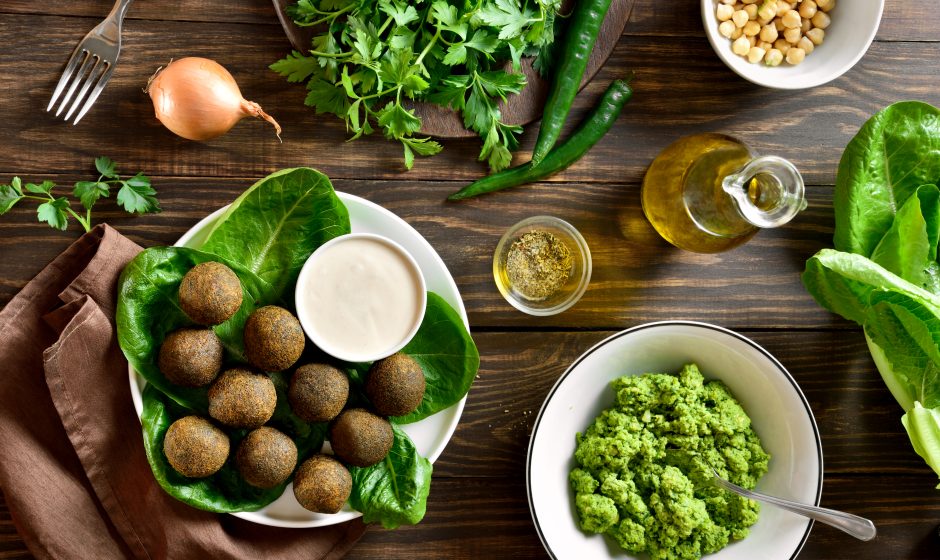

As more people worldwide shift towards plant-based diets for health, environmental, and ethical reasons, the demand for plant-based alternatives has surged. For Muslim communities who adhere to halal dietary laws, the rise of plant-based halal foods presents a unique and exciting opportunity. The growing trend of plant-based halal foods is reshaping the culinary landscape, offering delicious, nutritious, and ethical options for individuals who want to maintain their faith and lifestyle while embracing plant-based eating.
In this blog, we’ll explore the growing trend of plant-based halal foods, why they’re becoming so popular, and the benefits they bring to the table.
The Intersection of Plant-Based and Halal:
Halal food refers to any food or drink that is permissible under Islamic dietary laws. Traditionally, halal diets have focused on meat and dairy that are ethically sourced, humanely slaughtered, and free from harmful additives or alcohol. However, as the plant-based food movement has gained momentum globally, halal certification bodies have expanded to include plant-based products that meet the same ethical and dietary guidelines.
Plant-based halal foods are those that are entirely free of animal products while still adhering to halal principles. These foods are made using plant-based ingredients such as vegetables, grains, legumes, and plant-based proteins, and they are prepared without any non-halal substances like alcohol or pork. The rise of plant-based halal foods caters to both health-conscious individuals and those seeking a more sustainable way of eating while ensuring that their food aligns with their religious values.
Why the Plant-Based Halal Trend is Gaining Popularity:
Several factors are contributing to the growing popularity of plant-based halal foods:
1. Health Consciousness:
More people are becoming aware of the health benefits of plant-based diets, including improved heart health, weight management, and reduced risk of chronic diseases such as diabetes and hypertension. Plant-based diets are naturally lower in saturated fats and higher in fiber, vitamins, and antioxidants. Halal consumers, particularly those who follow a halal lifestyle for religious reasons, are increasingly opting for plant-based halal alternatives that offer the same health benefits without compromising their faith.
2. Ethical and Environmental Concerns:
As global awareness of climate change, animal welfare, and sustainability grows, more people are turning to plant-based diets to reduce their environmental footprint. Plant-based foods have a much lower environmental impact than meat production, using fewer natural resources like water and land while emitting fewer greenhouse gases. By choosing plant-based halal foods, individuals can reduce their carbon footprint and support more ethical food production practices.
3. Inclusivity and Diverse Diets:
Plant-based halal food options cater to a diverse range of dietary preferences and restrictions. While traditional halal meat-based dishes have long been staples in the Muslim community, plant-based halal alternatives offer more inclusive options for individuals who follow vegan or vegetarian diets. These plant-based foods also meet the growing demand for dairy-free, gluten-free, and soy-free products, making them suitable for a wide range of consumers.
Key Categories of Plant-Based Halal Foods:
The plant-based halal food industry is rapidly expanding, with more products appearing on the market each year. Here are some key categories within the plant-based halal food trend:
1. Plant-Based Proteins:
Plant-based proteins are one of the most sought-after food categories within the plant-based halal movement. Foods such as tofu, tempeh, seitan, and legumes (lentils, chickpeas, and beans) provide excellent sources of plant-based protein, making them essential in a plant-based halal diet. These proteins are used to create meat alternatives like plant-based burgers, sausages, and even halal-certified chicken nuggets.
2. Plant-Based Dairy Alternatives:
The demand for plant-based dairy alternatives is also on the rise, with products like almond milk, soy milk, coconut yogurt, and vegan cheese becoming more widely available. For halal consumers who are lactose intolerant or looking to reduce their dairy intake, plant-based dairy options provide a delicious and halal-compliant alternative.
3. Halal Plant-Based Meat Alternatives:
Innovative companies are developing plant-based meat alternatives that mimic the taste, texture, and appearance of traditional meat, all while being halal-certified. Brands like Beyond Meat, Impossible Foods, and local startups are creating plant-based burgers, sausages, and even halal kebabs. These products are made with plant-based ingredients like soy protein, pea protein, and rice flour and are designed to meet the needs of both Muslims and non-Muslims who are looking to reduce their meat consumption.
4. Ready-to-Eat Halal Plant-Based Meals:
Convenience is another key factor in the popularity of plant-based halal foods. Many consumers are looking for ready-to-eat meals that align with their dietary and religious preferences. From frozen plant-based halal pizzas to pre-packaged vegan shawarmas and curries, the market for convenient halal plant-based meals is booming. These meals offer a quick, nutritious, and hassle-free way to enjoy plant-based eating without sacrificing taste or quality.
Challenges in the Plant-Based Halal Food Industry:
While the plant-based halal food industry is growing rapidly, it’s not without its challenges. One of the key hurdles is ensuring that plant-based foods are halal-certified and free from non-halal ingredients. Halal certification bodies are working to expand their reach to include more plant-based products, but there can sometimes be confusion about whether certain ingredients or processing methods align with halal standards.
Another challenge is the cost of plant-based products. While plant-based foods have become more affordable over the years, they are still sometimes more expensive than their meat-based counterparts. However, as demand increases and production scales up, the cost of plant-based halal products is expected to decrease.
The Future of Plant-Based Halal Foods:
The future of plant-based halal foods is bright. With growing awareness of the health and environmental benefits of plant-based eating, more halal food manufacturers and restaurants are entering the market to meet the demand. Expect to see more plant-based meat alternatives, dairy-free products, and ready-to-eat meals that are halal-certified and delicious.
In the coming years, plant-based halal foods are likely to become more mainstream, with more halal restaurants offering vegan and vegetarian options on their menus. The rise of plant-based halal foods presents an exciting opportunity for Muslims around the world to enjoy a wide range of delicious, nutritious, and ethical meals that align with their dietary beliefs.
Final Thoughts:
The growing trend of plant-based halal foods is reshaping the culinary landscape and providing Muslims with more diverse and inclusive options for their diets. As the demand for healthier, more sustainable foods continues to rise, plant-based halal products are poised to become an essential part of the halal food market. Whether you’re looking to reduce your meat consumption, improve your health, or support more ethical food production, plant-based halal foods offer a wide array of delicious and nutritious options for every lifestyle.