
The halal food market is one of the fastest-growing sectors in the global food industry. As the Muslim population continues to grow worldwide and as more non-Muslims seek halal options, the demand for halal food has surged in both traditional and non-traditional markets. In this blog, we’ll explore the key trends shaping the halal food market and how businesses can capitalize on this growth.
1. Increasing Global Demand for Halal Products:
The global halal food market is projected to continue expanding due to the growing Muslim population, increased disposable income, and a rising interest in halal food from non-Muslim consumers. Halal food is often seen as healthier and more ethical due to its strict standards of animal welfare and purity.
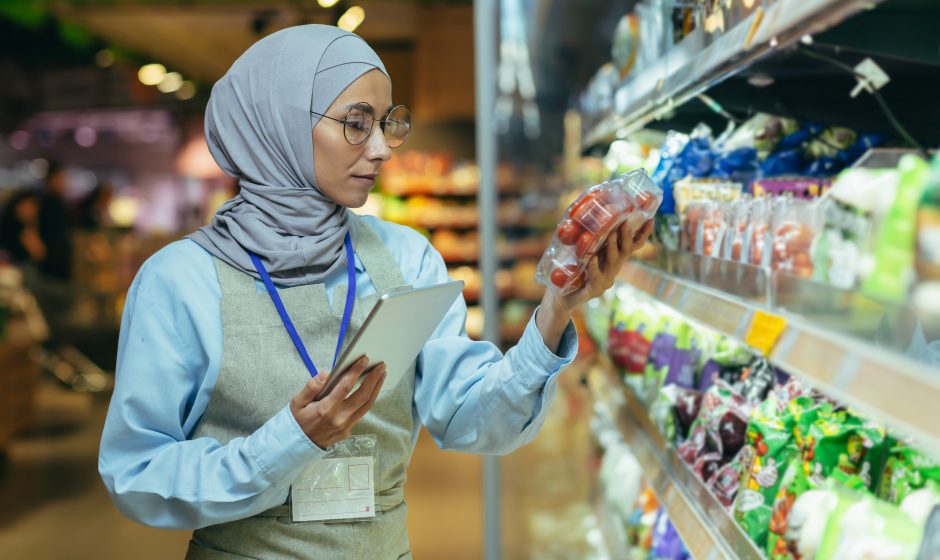
This has led to increased demand not only in Muslim-majority countries but also in non-Muslim-majority countries like the United States, the UK, and Australia. Halal food products are now available in mainstream supermarkets, restaurants, and even fast food chains, marking a shift towards greater acceptance of halal offerings.
2. Halal Certification and Transparency:
As consumer demand grows, the importance of halal certification becomes even more critical. Halal certification provides a guarantee that food products meet the necessary standards, from sourcing ingredients to preparation methods. This ensures that businesses maintain the integrity of their offerings and satisfy the ethical concerns of their consumers.
Consumers are increasingly looking for transparency in halal certification. Businesses that clearly display halal certification on packaging or in marketing materials will build trust and appeal to consumers who prioritize authenticity.
3. Rise of Halal Food in Mainstream Markets:
Halal food is no longer confined to niche markets. It is increasingly being recognized as a mainstream offering, with many restaurants, food chains, and grocery stores now providing halal options. In many urban areas, halal food is becoming a staple in multicultural communities, with food trucks, pop-ups, and casual dining establishments offering diverse halal dishes.
In addition, global fast-food chains are introducing halal menus in response to growing consumer demand. This trend signals the mainstream acceptance of halal food, making it more accessible to a broader audience.
4. Health-Conscious and Ethical Eating Trends:
Halal food is also aligned with modern health-conscious and ethical eating trends. Many consumers, both Muslim and non-Muslim, view halal food as cleaner, healthier, and ethically produced compared to non-halal options. This perception is driving interest in halal food among a broader audience who values purity, animal welfare, and sustainable sourcing.
Halal certification ensures that food is free from harmful additives, alcohol, and pork by-products, which appeals to those looking for cleaner, more natural food options.
5. Innovation in Halal Products:
The halal food market is evolving to meet changing tastes and demands. Innovative products such as plant-based halal options, halal-certified ready meals, and halal-certified snacks are increasingly popular. These products cater to consumers looking for convenience without compromising on their dietary preferences.
Food manufacturers are also experimenting with new flavor profiles and international halal dishes to cater to diverse tastes. As a result, the halal food market is becoming more dynamic, with new products entering the market to meet the needs of a diverse and growing consumer base.