
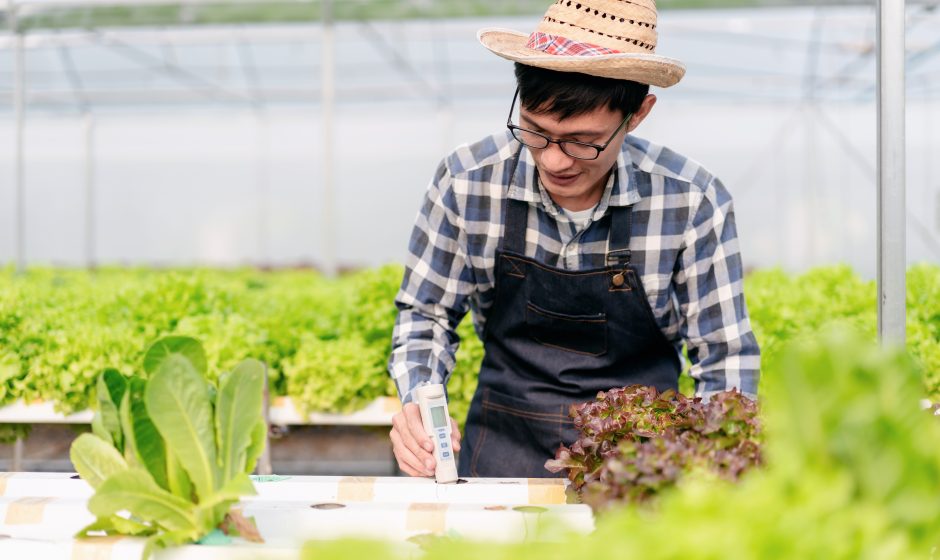

The “farm-to-table” movement has become a central theme in the food industry, emphasizing the importance of sustainability, local sourcing, and ethical production practices. Consumers are increasingly demanding food that is fresh, sustainable, and ethically sourced, pushing restaurants, food manufacturers, and suppliers to rethink their sourcing strategies. This blog explores the importance of sustainability and ethical sourcing in the food industry and how the farm-to-table model is shaping the future of food.
1. What is the Farm-to-Table Movement?
The farm-to-table movement focuses on sourcing food directly from local farms and producers, minimizing the distance between the producer and the consumer. This model emphasizes using fresh, seasonal ingredients that are sustainably grown or raised. By working directly with farmers, chefs, and food businesses can create a more transparent and ethical food supply chain that supports local economies and reduces the carbon footprint associated with transportation.
Farm-to-table also encourages businesses to support small-scale farmers who use organic, sustainable farming practices. This ensures that the food is grown without harmful chemicals and that the land is treated with respect, contributing to long-term environmental health.
2. Environmental Impact and Sustainability:
Sustainability is at the heart of the farm-to-table movement. By sourcing locally, food businesses reduce the environmental impact of food production and transportation. The food industry is a significant contributor to carbon emissions, largely due to long-distance food transportation, processing, and packaging.
By supporting local and sustainable farms, food businesses can reduce the carbon footprint of their products. Additionally, many local farms prioritize organic or regenerative farming practices, which help preserve soil health, reduce water usage, and protect biodiversity. This focus on sustainability helps ensure that future generations can enjoy a healthy and diverse food supply.
3. Ethical Sourcing and Animal Welfare:
Ethical sourcing goes hand-in-hand with the farm-to-table model. Consumers are increasingly concerned about the treatment of animals and the environmental impact of industrial farming practices. The farm-to-table movement emphasizes sourcing meat, dairy, and other animal products from farms that follow ethical and humane practices.
By sourcing ethically raised meats, eggs, and dairy products, food businesses can help promote animal welfare and reduce the environmental damage caused by factory farming. Many farm-to-table restaurants and food businesses prioritize sourcing from local farms that raise animals in free-range, cage-free, or pasture-based systems. This ensures that animals are treated humanely and that the meat produced is of the highest quality.
4. Supporting Local Economies:
Another important aspect of sustainability is supporting local economies. By purchasing ingredients from local farmers, food businesses contribute to the economic well-being of their communities. This is particularly important for small-scale, family-owned farms that may struggle to compete with large agribusinesses.
Local sourcing helps create jobs, supports regional food systems, and strengthens the local economy. Additionally, consumers increasingly value businesses that invest in their communities and contribute to local food systems. By embracing the farm-to-table model, food businesses can foster relationships with local farmers and producers, creating a more resilient and sustainable food system.
5. Consumer Demand for Transparency:
In today’s food industry, consumers are demanding greater transparency about where their food comes from and how it is produced. The farm-to-table movement allows businesses to meet this demand by providing clear, traceable sourcing information.
Restaurants and food businesses that embrace the farm-to-table model can highlight the origins of their ingredients on their menus, website, and marketing materials. This transparency builds trust with consumers and allows them to make more informed choices about the food they eat. In addition, many consumers appreciate knowing that their food is sourced ethically and sustainably, which enhances their overall dining experience.
6. The Future of Sustainability in the Food Industry:
The future of the food industry lies in sustainability, ethical sourcing, and local production. As consumers continue to prioritize health, environmental concerns, and ethical practices, the demand for farm-to-table restaurants and sustainable food products will only increase. Food businesses that embrace these values and incorporate them into their sourcing and operations will be well-positioned for long-term success.