
Cooking Halal meat is a craft. It’s the balance of care, tenderness, timing, seasoning, and heat control. But beyond skill, one factor stands tall — equipment. The right tools turn effort into efficiency and good meat into unforgettable meals.
Here is a complete guide to must-have equipment every Halal kitchen should own for perfect Zabiha meat dishes every time.
1. Quality Chef Knife — The Heart of the Kitchen:
Before seasoning, cooking, or marinating — you cut. A sharp chef knife ensures clean slices, even portions, and safer handling.
Why it matters:
- Smooth cutting = minimal juice loss.
- Even pieces = even cooking.
- Faster prep = less stress.
A butcher knife for large cuts + a boning knife for trimming fat is ideal.
2. Meat Thermometer — Precision Over Guessing:
No more over-cooked chicken or under-done steak. A thermometer guarantees safety and juiciness.
Halal meat temp targets:
-
Chicken: 165°F.
-
Lamb roast: 160–170°F.
-
Beef steak medium: 135–145°F.
-
Minced meat: fully brown.
Accuracy = tenderness.
3. Separate Cutting Boards for Hygiene:
Halal purity requires clean handling. Use:
- One board exclusively for meat.
- One for vegetables, fruit, cooked foods.
No crossover. No contamination. Clean kitchen = clean meal.
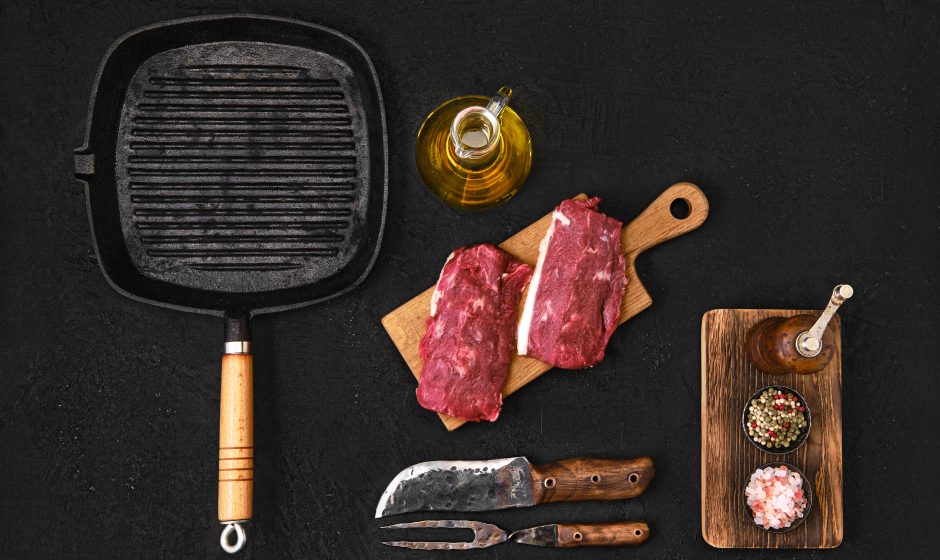
4. Cast Iron or Heavy Stainless Skillet:
Halal meat shines with proper searing. Cast iron gives restaurant-level browning — holding heat for steak, chops, tikka, and shawarma strips.
Great for:
- High-heat searing.
- Oven finishing.
- Grill-style cooking indoors.
Butter + cast iron = magic crust and flavor.
5. Pressure Cooker for Tender Meat Fast:
From biryani lamb to goat curry, some meat requires time — pressure cuts that time dramatically.
Traditional stew: 3 hours.
Pressure method: 45–90 minutes.
Flavor preserved, tenderness achieved, time saved.
6. Slow Cooker or Dutch Oven for Fall-Apart Meat:
Not rushed cooking — patient cooking. Slow appliances break collagen down naturally, ideal for:
- Nihari.
- Haleem.
- Braised lamb.
- Beef shank gravy.
Low and slow is flavor’s best friend.
7. Blender + Food Processor for Marinades & Keema:
Marination isn’t surface seasoning — it’s flavor infusion. A processor blends:
-
Garlic + ginger paste.
-
Herb chutneys.
-
Marinades.
-
Kebab mixtures.
Smooth marinades = deeper absorption.
8. Meat Tenderizer Mallet:
Even quality Zabiha beef can be tough. A mallet softens fibers, ensuring:
- Shorter cooking time.
- Better marinade penetration.
- Softer bite in steaks and grills.
A few taps make a big difference.
9. Reusable Glass Marination Containers:
Avoid plastic for long marinade times — glass does not absorb smells or acid. Stainless also works well.
Tip: Flat trays coat meat more evenly than deep bowls.
10. Vacuum Sealer + Freezer Bags for Storage:
Freshness is part of quality. Vacuum sealing keeps meat fresh for months without freezer burn. Perfect for bulk buying and Ramadan prep.
Freeze with labels:
- Cut type.
- Weight.
- Date stored.
Organization = safety + convenience.
11. Oven + Air Fryer for Versatile Cooking:
Ovens provide slow roast humidity and crisp surfaces — ideal for whole chicken roast or lamb shoulder. Air fryers give healthier crisping, ideal for wings, cutlets, and kebabs.
Both add variety to Halal meat cooking styles.
12. Digital Scale + Measuring Tools:
Meat dishes rely on balance:
-
Too little salt = bland.
-
Too much spice = harsh.
-
Wrong marinade ratio = poor absorption.
Quantities matter — a scale keeps recipes repeatable and delicious.
Final Thought:
Great Halal cooking isn’t just ingredients — it’s preparation, tools, and technique. With proper knives, correct boards, heat-holding pans, pressure appliances, marinators, and storage systems, you transform Zabiha meat from simple protein into culinary excellence.
Equip the kitchen — empower the cook — elevate the meal.