
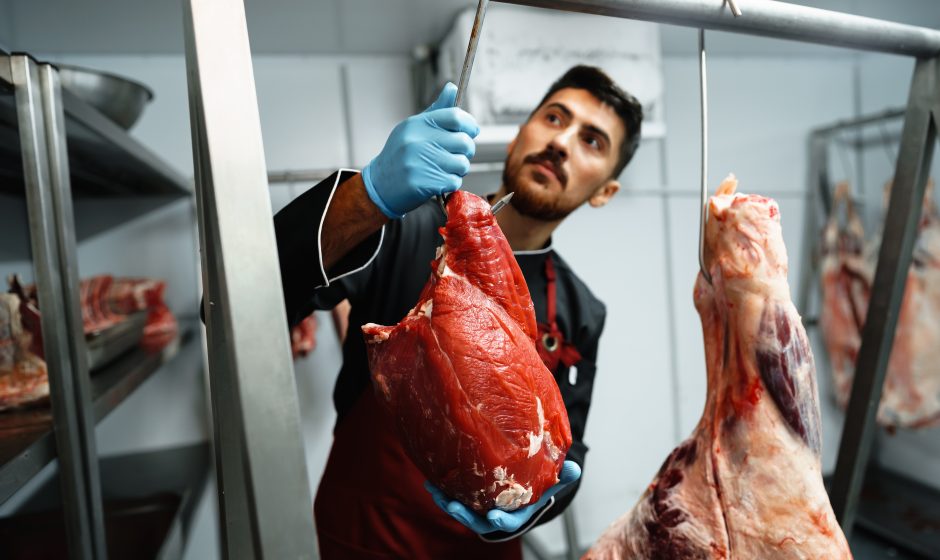

Choosing the right halal-certified meat supplier is a critical decision for any food business that wishes to serve its customers with authentic halal meat products. Whether you’re running a restaurant, catering service, or food retail business, sourcing meat that meets halal standards is not only essential for compliance but also for building trust with your customer base. Here’s a guide on how to choose the best halal-certified meat supplier for your business.
1. Understand Halal Certification Standards:
Before you begin searching for suppliers, it’s crucial to understand the halal certification process. Halal meat is slaughtered according to Islamic law, and it must meet strict requirements regarding the animal’s diet, living conditions, and slaughter methods. Halal certification verifies that these standards are met.
When evaluating potential suppliers, ask about the certification they hold. The supplier should have certification from an internationally recognized halal certifying body. Look for details about the certification process, the standards they follow, and whether they undergo regular audits to ensure compliance.
2. Quality and Freshness of Meat:
The quality of meat should be one of your top priorities when choosing a halal meat supplier. The meat should be fresh, free of any preservatives or additives, and consistently meet high-quality standards. When visiting a supplier, inspect the storage conditions and the meat’s appearance. The supplier should adhere to proper hygiene practices and ensure that the meat is stored at appropriate temperatures to maintain freshness.
If possible, request samples from the supplier to assess the quality of their products. For restaurants and caterers, the taste and texture of the meat will directly impact your menu offerings, so it’s vital to ensure consistency in the quality of the meat provided.
3. Supplier Reputation and Reliability:
A reputable supplier is one that has built trust over time with businesses like yours. Look for reviews, testimonials, and feedback from other customers who have worked with the supplier. You can check online reviews or ask the supplier for references from other businesses. A reliable supplier should be consistent with delivery times and meat quality, and they should be responsive to your needs.
It’s also essential to ensure the supplier has the capacity to meet your business’s demand. If you operate a high-volume business, your supplier should be able to handle large orders and deliver meat on time. In case of an urgent order, a reliable supplier should be willing to accommodate your needs.
4. Transparency and Traceability:
Transparency in sourcing is crucial when selecting a halal meat supplier. A trusted supplier should be able to provide full traceability of the meat, including where it was sourced, how it was slaughtered, and any handling processes it underwent. This ensures the meat is both halal and of good quality.
The supplier should be open about its sourcing practices and provide documentation when necessary. Ask the supplier for certification details and traceability reports for each batch of meat. Having clear records of the supply chain gives you peace of mind that the meat is authentic and safe for consumption.
5. Pricing and Payment Terms:
Pricing is an important factor when selecting a halal meat supplier, but it should not be the only consideration. While it’s tempting to go with the cheapest option, the cost should be balanced with quality, reliability, and service. Ensure that you compare prices among several suppliers, but be cautious of suppliers offering prices significantly lower than the industry standard, as this could indicate compromised quality.
Additionally, ask about payment terms and delivery schedules. A supplier who offers flexible payment options or payment plans might be beneficial, especially if you’re a startup or have fluctuating cash flow.
6. Ethical Practices and Compliance:
In addition to halal certification, ensure the supplier practices ethical treatment of animals. Halal slaughter methods focus on humane treatment, but some suppliers may go above and beyond, ensuring their animals are raised in ethical conditions. Investigate the supplier’s farming practices to confirm that they align with your own values, particularly when it comes to animal welfare.
Compliance with food safety regulations is another factor to consider. Make sure the supplier complies with local food safety standards and is regularly inspected by health authorities.
7. Communication and Customer Service:
Good communication is essential when building a long-term relationship with a meat supplier. Your supplier should be responsive to your inquiries, proactive in addressing issues, and willing to provide support when needed. This is especially important when you encounter problems such as delays in delivery or issues with product quality.
Make sure the supplier has clear contact channels and offers dedicated customer service to assist with any queries or concerns.
Conclusion:
Choosing the right halal-certified meat supplier requires careful consideration of multiple factors, including certification standards, meat quality, reliability, pricing, and ethical practices. By following these tips and selecting a supplier who meets your business’s needs, you’ll ensure that your customers receive high-quality, authentic halal meat that supports your business’s reputation and success.