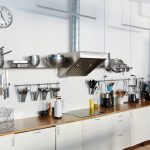


The key to running a successful kitchen is efficiency. In any kitchen—whether in a restaurant, catering service, or food manufacturing space—streamlining workflow is essential to delivering quality meals quickly, maintaining high standards, and preventing bottlenecks. A well-organized and efficient kitchen reduces stress, improves staff productivity, and enhances customer satisfaction. This blog will guide you through creating a streamlined and efficient kitchen space that optimizes workflow.
1. Define the Key Work Zones:
One of the best ways to streamline kitchen workflow is by clearly defining key work zones. Organizing the kitchen into distinct areas ensures that each task is completed in the most efficient way possible, with all necessary tools and ingredients easily accessible. Here are some key zones to consider:
-
Receiving Area: The space where ingredients and supplies are delivered. This area should be near the kitchen’s entrance and close to storage areas.
-
Storage Area: This includes refrigerators, freezers, and dry storage. Ingredients should be organized and labeled according to usage frequency.
-
Preparation Area: The space where food is cleaned, chopped, and prepared before cooking. This area should be equipped with cutting boards, sinks, knives, and mixing bowls.
-
Cooking Area: The heart of the kitchen, where all cooking equipment (e.g., stoves, ovens, grills) is located. It should be close to the prep area for easy transition.
-
Service Area: Where finished dishes are plated and sent out to customers or the front of the house.
By defining these zones, you can ensure a smooth flow of operations where ingredients and products move efficiently through each stage of preparation and service.
2. Optimize Equipment Placement:
Proper placement of kitchen equipment is essential for efficiency. Equipment should be positioned according to its frequency of use and its function. For instance:
-
Cooking Equipment: Place cooking appliances like ovens, fryers, and stoves near the prep area, but ensure that there is enough space for staff to move freely.
-
Cleaning Stations: Keep sinks and dishwashers near the cooking and prep areas but away from food storage or service areas to avoid cross-contamination.
-
Storage: Ingredients should be stored close to workstations, with frequently used items within easy reach. Use clear labeling systems to ensure quick identification and access.
3. Invest in Ergonomics:
An often-overlooked aspect of kitchen workflow is the ergonomics of workstations. A kitchen with poorly designed workstations can lead to physical strain on staff, slowdowns, and increased risk of injury. To optimize workflow, invest in ergonomic design principles:
-
Counter Height: Ensure that work surfaces are at an appropriate height for staff to work comfortably without excessive bending or reaching.
-
Tool Placement: Place frequently used tools and utensils in easily accessible locations. This reduces the time staff spend searching for tools, allowing them to focus on the task at hand.
-
Heavy Equipment: Position heavy equipment at waist level to minimize strain when lifting and transporting items.
4. Streamline Communication and Service Flow:
A well-functioning kitchen depends on smooth communication between the kitchen staff, the front of house, and management. Establish clear communication systems, such as:
-
Order Communication: Use order management systems (digital or manual) that clearly communicate orders from the front of house to the kitchen. This prevents mistakes and delays.
-
Kitchen-to-Service Communication: Ensure that kitchen staff know when dishes are ready to be served and the wait staff are aware of delays or special requests.
-
Pre-Set Stations for Staff: When kitchen staff are assigned to specific tasks or stations (such as grilling, plating, or frying), communication is streamlined, and the chances of mixing up orders are minimized.
5. Implement Smart Technology:
Technology can greatly enhance kitchen efficiency. Investing in smart kitchen technology can streamline order management, inventory tracking, and kitchen communication. Consider the following:
-
Point-of-Sale (POS) System Integration: Integrating a POS system with kitchen displays or printers can ensure seamless communication between the front of house and kitchen staff.
-
Inventory Management: Digital inventory systems can help track ingredient usage and alert you when stock levels are low, preventing unnecessary waste.
-
Kitchen Display Systems (KDS): KDS systems display orders in real time on digital screens in the kitchen, allowing staff to manage orders and production more efficiently.
These technologies help reduce manual errors, improve accuracy, and free up time for kitchen staff to focus on food preparation.
6. Maintain Cleanliness and Organization:
A cluttered kitchen is an inefficient kitchen. Keeping the kitchen clean, organized, and free of unnecessary clutter is essential for optimizing workflow. Implement regular cleaning schedules and ensure that all staff are trained on proper cleaning practices. Organize storage areas and keep the kitchen free of distractions, so staff can easily access what they need when they need it.
7. Streamline Waste Management:
Proper waste management ensures that the kitchen remains clean and efficient. Implement systems to minimize waste, such as composting, recycling, and reusing materials. Set up waste separation stations and make sure staff understands where to dispose of food waste, packaging, and recyclables. Efficient waste management reduces clutter and improves overall kitchen efficiency.
Conclusion:
Optimizing kitchen workflow is essential for improving efficiency, reducing costs, and maintaining high food quality. By organizing your kitchen into clear work zones, investing in ergonomics and technology, ensuring smooth communication, and maintaining cleanliness, you can create a streamlined environment that benefits your kitchen staff and enhances your overall business operations.