

Adapting your recipes for success is one of the most effective ways to stay competitive in the food industry. Recipe innovation helps keep your menu fresh, attract new customers, and meet changing dietary trends. In this blog, we’ll share creative strategies for adapting recipes and creating a menu that satisfies modern customers.
1. Understand Your Customer Base:
To successfully adapt your recipes, you need to understand your target audience and what they’re looking for in their meals. Are they health-conscious, adventurous, or traditional? Do they prefer convenience or a fine-dining experience? Knowing your customer base allows you to tailor your menu and adapt recipes to their preferences.
Customer feedback is a great resource for identifying what works and what doesn’t. Regularly ask for feedback through surveys, online reviews, or casual conversations to gain insight into their tastes and needs.
2. Infuse New Ingredients and Flavors:
Incorporating new ingredients and flavors into your recipes is a simple but effective way to innovate your menu. Explore global cuisines for inspiration and experiment with spices, herbs, and cooking techniques from different cultures. For instance, adding Middle Eastern spices like za’atar or harissa can give traditional dishes a modern twist.
Consider introducing ingredients that are trending, such as ancient grains (quinoa, farro), superfoods (acai, chia), or sustainable options (seaweed, plant-based protein). These ingredients not only bring new flavors to your recipes but also appeal to health-conscious and eco-minded customers.
3. Make Recipes Flexible for Dietary Needs:
As dietary preferences and restrictions become more diverse, offering flexible recipe adaptations is key to meeting customer expectations. Make it easy for customers to modify their dishes to accommodate different dietary needs, such as gluten-free, dairy-free, keto, or vegan.
Create separate sections on your menu for these adaptations, or allow customers to easily swap ingredients in existing dishes. For example, offer gluten-free pasta with your pasta dishes or provide a dairy-free cheese option for pizzas. This enhances customer satisfaction by giving them options that align with their dietary restrictions.
4. Focus on Presentation and Experience:
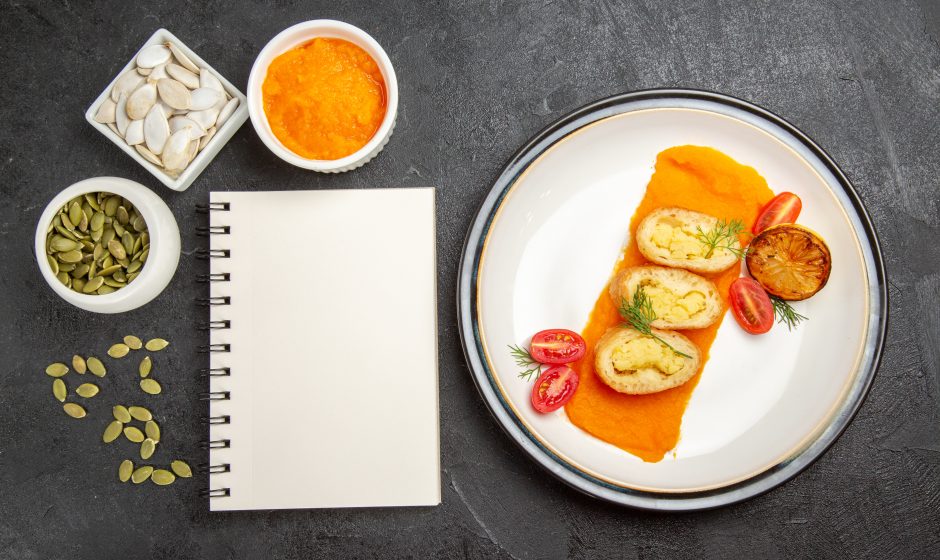
Menu innovation is not only about ingredients—it’s also about how your dishes are presented and the overall dining experience. Focus on making your dishes visually appealing with creative plating, garnish, and modern presentation techniques. Adding vibrant colors, unique textures, and attractive plating can make your food more enticing and Instagram-worthy.
Incorporate experiential elements into your menu, such as offering a chef’s tasting menu or interactive dining experiences. Providing an elevated dining experience adds value to your offerings and helps you stand out from competitors.
5. Streamline Recipes for Efficiency:
While creativity is important, efficiency is key in a busy kitchen. When adapting recipes, it’s essential to ensure that they can be executed efficiently, especially during peak hours. Streamline your recipes to minimize prep time while maintaining flavor and quality.
Consider using ingredients that can be prepared in bulk and stored for later use, such as sauces, stocks, or pre-chopped vegetables. This reduces the time spent on individual orders and allows your kitchen staff to focus on preparing fresh dishes quickly.