
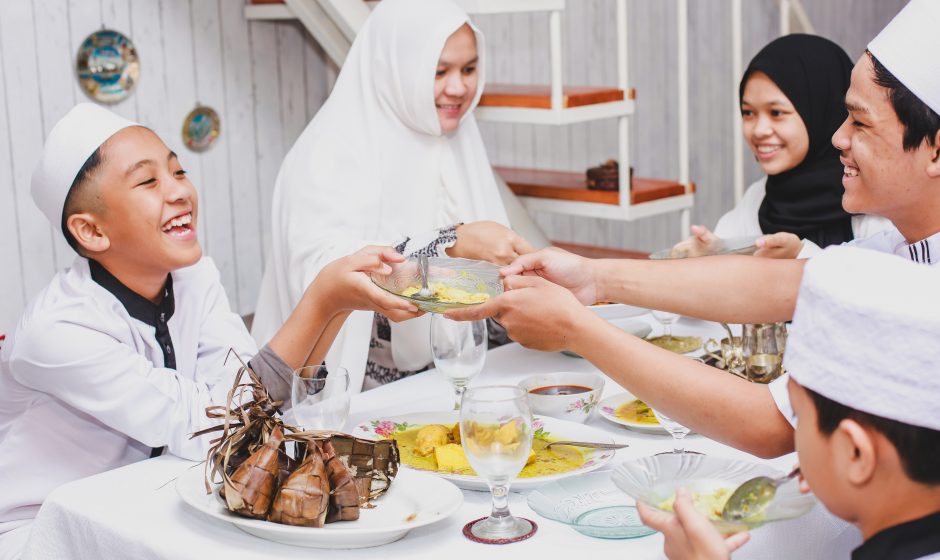

In Islamic culture, dining is not just about the act of eating; it is a sacred and social experience that encompasses gratitude, respect, and spiritual mindfulness. Zabiha meals, which are prepared using meat slaughtered according to halal laws, are an integral part of Islamic dining. These meals, while ensuring that the meat is ethically sourced, also come with their own set of etiquettes that reflect the deep cultural and religious significance of the food.
Serving Zabiha meals with respect is not only about the food itself but also about how it is presented, shared, and consumed. In this guide, we will explore the fundamental principles of Islamic dining etiquette, the respectful ways to serve Zabiha meals, and the spiritual values embedded in the dining process.
1. Preparing the Table: A Sacred Act:
The act of preparing the dining table for Zabiha meals is an important part of Islamic dining etiquette. Before serving food, the table should be set with care and respect, ensuring it is clean and organized. Islam places great emphasis on cleanliness, and the table setting is an extension of this principle. This includes using clean utensils, ensuring the food is properly arranged, and serving the food in an aesthetically pleasing manner.
In Islamic tradition, it is encouraged to serve food in communal dishes where everyone can share, fostering a sense of unity and togetherness. Plates should be arranged with consideration, ensuring that everyone has enough space and that the meal is served in an orderly manner. Bismillah (In the name of God) should be said before starting the meal to express gratitude for the food.
2. Sharing Zabiha Meals: A Spirit of Generosity:
The spirit of generosity is central to Islamic dining etiquette, especially when it comes to serving Zabiha meals. It is highly encouraged to share food with family, friends, neighbors, and the less fortunate. In many Muslim cultures, meals are not just meant for the immediate family but are also a means of strengthening community ties.
When serving Zabiha meals, it is customary to offer food to everyone present, ensuring that no one is left without. The Prophet Muhammad is known for his emphasis on hospitality, saying, “He who believes in Allah and the Last Day should honor his guest.” This principle guides Muslims in their daily interactions, where offering food to others is considered a form of kindness and charity.
During religious celebrations like Eid al-Adha, when Zabiha meat is often part of the meal, it is even more important to ensure that the meat is distributed fairly, particularly to those who are in need. The act of sharing reinforces the values of charity and generosity, which are deeply rooted in Islamic teachings.
3. Eating Together: Strengthening Bonds:
Islamic dining etiquette also places a strong emphasis on eating together as a family or community. Sitting down for a meal is considered a social event where bonds are strengthened, and gratitude is expressed. In many Muslim cultures, the family sits together to enjoy a meal, and it is encouraged to share the same plate or serving dish, which fosters unity.
The communal aspect of dining is also significant during religious holidays. On Eid al-Fitr and Eid al-Adha, Muslims gather with family and friends to share a meal made with Zabiha meat, celebrating the end of Ramadan or the sacrifice commemorating Prophet Ibrahim. The act of eating together reinforces the concept of brotherhood and unity.
4. Dining Etiquette: Mindfulness and Gratitude:
When it comes to the actual act of eating, there are specific etiquettes that Muslims follow to show respect for the food and the meal. Eating with the right hand is one of the most important practices. The Prophet Muhammad instructed his followers to eat with the right hand as it is considered cleaner and more respectful. The left hand is generally reserved for personal hygiene and is not used for eating.
Before eating, Muslims say Bismillah to invoke God’s blessing on the food. After the meal, Alhamdulillah (All praise is due to God) is recited as a way of expressing gratitude for the sustenance provided. These prayers are an acknowledgment that food is a gift from Allah and that Muslims should be mindful of the privilege of having it.
It is also important to eat in moderation. Islam encourages avoiding overeating and emphasizes eating only what is necessary to sustain oneself. The Prophet Muhammad is said to have advised his followers to “fill one-third of the stomach with food, one-third with drink, and leave one-third empty.”
5. Respecting the Guests: Islam’s Emphasis on Hospitality:
Hospitality is a deeply ingrained value in Islam, and serving Zabiha meals to guests comes with the responsibility of making them feel welcomed and honored. When guests arrive, it is customary to greet them with kindness and ensure that they are offered food in a warm and respectful manner.
The Prophet Muhammad is often quoted as saying, “Whoever believes in Allah and the Last Day, let him be hospitable to his guest.” This principle serves as a reminder that the act of hosting a meal is not just about serving food but about creating an environment of respect, kindness, and spiritual connection.
It is also recommended to offer guests food in a manner that makes them feel valued. This includes serving them first or offering them the best portions of the meal, especially when serving Zabiha meat, which is considered a special and significant part of the meal.
6. The Role of Zabiha Meat in Islamic Dining:
Zabiha meat holds a special place in Islamic dining, as it is not only considered halal (permissible) but also tayyib (pure and wholesome). The process of Zabiha slaughter ensures that the meat is ethically sourced, clean, and prepared with respect for the animal’s life. This aligns with Islamic principles of purity, hygiene, and ethical treatment of animals.
The consumption of Zabiha meat is also an opportunity to connect with God. By adhering to the guidelines of halal slaughter and following the rituals associated with eating, Muslims view the act of dining as a form of worship, where they are mindful of their faith and their relationship with Allah.
Conclusion: Serving Zabiha Meals with Respect:
Serving Zabiha meals with respect goes beyond simply offering food; it is a practice rooted in deep cultural, ethical, and spiritual significance. From preparing the meal with care and cleanliness to sharing it with family, friends, and those in need, Zabiha meals are about fostering unity, gratitude, and mindfulness.
By embracing these dining etiquettes, Muslims honor the traditions of their faith, express gratitude for the blessings they have received, and strengthen the bonds of community. As a symbol of respect for life, hospitality, and ethical conduct, Zabiha meals reflect the core values of Islam and create a shared experience that transcends the mere act of eating.