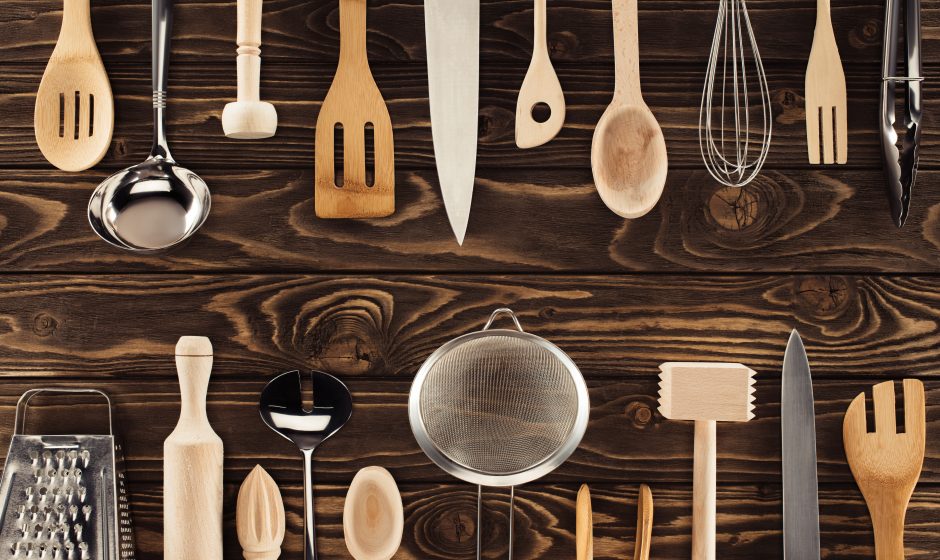

Preparing Zabiha meat is more than simply cooking — it’s respecting the process from source to plate. Just as Halal slaughter ensures purity and ethical treatment, the tools you use in your kitchen play a major role in flavor, hygiene, tenderness, and final presentation. A well-equipped Halal kitchen is not only about convenience — it’s about honoring the food you prepare with care and excellence.
If you buy Zabiha meat regularly, this guide walks you through the essential tools that take your cooking from effortful to effortless and from average to exceptional.
Why Tools Matter When Cooking Zabiha Meat:
Cooking Zabiha meat requires proper handling — from trimming and cutting to marinating, searing, simmering, slow-cooking, and storing. With the right equipment:
- Your meat cooks evenly.
- Flavors absorb better.
- Kitchen stays hygienic.
- You waste less time and effort.
- You produce restaurant-quality results at home.
The right tool does more than make cooking easier — it improves quality.
1. Halal-Dedicated Cutting Boards:
To preserve purity and avoid cross-contamination, every Halal kitchen needs separate boards:
- One for raw meat.
- One for cooked food & vegetables.
Plastic boards absorb less liquid; wood is beginner-friendly. Label them to avoid mistakes.
2. Sharp Butcher Knife + Boning Knife:
A dull knife damages meat fibers and makes prep time frustrating. A sharp butcher knife glides smoothly, preserving texture.
Ideal setup:
-
Butcher knife for large cuts.
-
Boning knife for filleting and trimming fat.
-
Sharpening steel to maintain the blade.
Sharp knives are not just safer — they give cleaner cuts and more even cooking pieces.
3. Meat Thermometer — The Underrated Essential:
Even experienced cooks benefit from a thermometer. No more guessing doneness.
Safe internal temperatures:
| Meat | Final Temp |
|---|---|
| Chicken | 165°F (74°C) |
| Beef steak medium | 140°F (60°C) |
| Lamb slow-cooked | 160–170°F (71–76°C) |
| Ground meat | Fully browned |
A perfect cook is consistency — and this tool guarantees it.
4. Cast-Iron Skillet for Flavorful Browning:
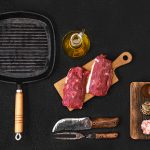
Cast iron retains heat better than stainless steel — ideal for steak, lamb chops, and searing kebabs.
Benefits:
- Even browning.
- Juicy interior.
- Restaurant-style crust.
- Naturally non-stick when seasoned well.
For smoky grill marks indoors, a cast-iron grill pan is unbeatable.
5. Pressure Cooker or Instant Pot:
Zabiha goat, beef shank, and lamb shoulder take time. Slow simmering can require 3–5 hours — but a pressure cooker reduces that to under 2.
Ideal for:
-
Biryani meat.
-
Nihari.
-
Haleem.
-
Stews & broths.
Pressure = tenderness without waiting all day.
6. Stainless or Glass Marinating Bowls:
Avoid marinating in aluminum — acid reacts with metal. Instead use:
- Glass.
- Ceramic.
- Stainless steel.
- Airtight plastic only short-term.
Deep bowls ensure every piece is coated well.
7. Food Processor for Keema & Kebabs:
Perfect for grinding spices, blending marinades, and mixing keema for seekh kebabs. A processor gives smooth texture and helps mix fat evenly.
8. Airtight Storage + Freezer Bags:
Zabiha meat deserves clean storage. Choose:
-
Vacuum-seal bags (best).
-
BPA-free freezer containers.
-
Thick zip bags (remove air).
Label with date + cut type to maintain freshness rotation.
9. Slow Cooker or Dutch Oven:
Sometimes the best meat is cooked low and slow. A Dutch oven or slow cooker breaks down tough collagen, turning lamb leg or beef chuck into melt-tender perfection.
Great for:
- Stews.
- Roast dishes.
- Overnight simmer meals.
A slow cooker = effortless tenderness.
10. Digital Kitchen Scale:
Marinating works best when measured — not guessed. A scale helps with recipe consistency, kebab mixture balance, and proper portioning for freezing.
Final Thought:
A Halal kitchen is built with intentional tools. These essentials transform Zabiha meat from a raw ingredient into a refined dish of quality, flavor, and integrity. With sharper knives, better storage, proper heat equipment, and the right cookware, you cook faster — and better.
Respect the meat. Equip the kitchen. Taste the difference.