
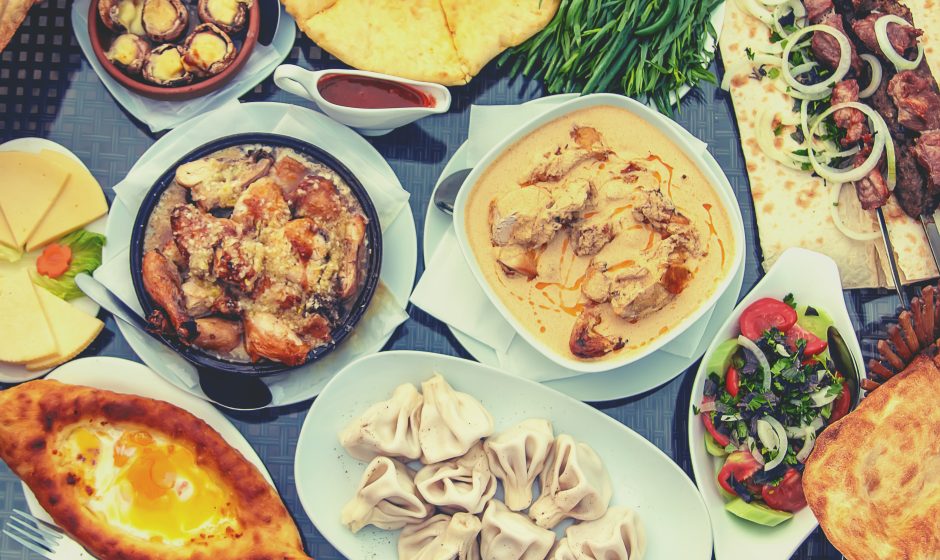

The halal food market has experienced remarkable growth over the past decade, driven by an expanding global Muslim population and a rising demand for ethical, clean, and sustainable food options. As consumers become more discerning about the food they consume, halal cuisine is no longer confined to traditional markets; it has firmly entered the global food scene. In this blog, we will explore the emerging trends and consumer demands shaping the future of halal cuisine, as well as how businesses can leverage these trends to succeed in an increasingly competitive market.
1. The Growing Popularity of Halal Food Globally:
The global demand for halal food is steadily increasing, thanks to a combination of factors. The world’s Muslim population is projected to grow substantially in the coming decades, particularly in regions like Asia, Africa, and the Middle East. However, the appeal of halal cuisine extends far beyond Muslim consumers.
Non-Muslim consumers are increasingly seeking halal food for its perceived higher standards of hygiene, ethical animal treatment, and natural ingredients. Halal food is often viewed as healthier, cleaner, and more transparent, particularly in markets like the United States and Europe. This shift is driving a broader interest in halal food, making it a mainstream dining option.
Halal certification is becoming more common across various food sectors, including restaurants, supermarkets, and even fast food chains. Halal food options are now widely available in non-Muslim-majority countries, reflecting a growing cultural acceptance and understanding of halal cuisine.
2. Plant-Based and Alternative Proteins in Halal Cuisine:
One of the most exciting trends in halal cuisine is the integration of plant-based and alternative proteins. As the global population becomes more health-conscious and environmentally aware, there is an increasing demand for plant-based diets. Halal food businesses are tapping into this demand by offering innovative, halal-certified plant-based meat alternatives.
Brands like Beyond Meat and Impossible Foods have already introduced plant-based alternatives to meat that are halal-certified, catering to both Muslim and non-Muslim consumers. This trend is gaining momentum as more consumers seek ethical and sustainable food options that align with their values. Plant-based halal products, such as vegan kebabs, burgers, and dairy alternatives, are expected to grow in popularity, allowing businesses to meet the rising demand for both halal and plant-based diets.
Moreover, with the growing demand for lab-grown meat, halal producers are exploring ways to incorporate this new technology into their offerings, ensuring that it meets halal standards. This innovation promises to revolutionize the halal market by providing a sustainable, ethical, and scalable source of halal-certified protein.
3. Halal and Ethical Sourcing: Sustainability at the Core:
Consumers today are more concerned about the environmental and ethical impact of their food choices. Halal food is uniquely positioned to meet this demand, as its core principles emphasize the humane treatment of animals and the ethical sourcing of ingredients. As awareness of sustainability issues grows, halal businesses are increasingly focusing on sourcing locally, reducing food waste, and supporting fair trade practices.
Ethical sourcing is becoming a key differentiator in the halal food market. Consumers are actively seeking products that are sustainably produced, whether that means using organic farming practices, reducing carbon footprints, or supporting local farmers. Halal producers who align their values with these sustainable practices are likely to resonate with eco-conscious consumers.
Additionally, the halal certification process often involves transparency and traceability, which are key factors in assuring consumers about the ethical integrity of the food they consume. As the demand for more sustainable food options grows, halal businesses that prioritize ethical sourcing will have a significant competitive advantage.
4. Digital and Delivery Growth in Halal Food:
The convenience of food delivery apps and digital ordering has dramatically increased in recent years, and this trend is expected to continue in the halal food market. Consumers, particularly younger generations, are increasingly using apps and websites to place orders for both dine-in and takeout experiences. For halal restaurants and food services, leveraging digital platforms to reach customers and streamline operations is a game-changer.
Food delivery services like Uber Eats, DoorDash, and Grubhub are making halal cuisine more accessible than ever. Halal eateries that embrace digital ordering systems and delivery services can tap into a wider customer base, particularly in urban areas with high concentrations of halal-conscious consumers.
In addition to delivery, the rise of online grocery shopping has opened new avenues for halal food suppliers. With the ability to order halal groceries online and have them delivered directly to their homes, consumers can access a wide variety of halal products from the comfort of their homes. This is a key area for growth, particularly for halal product manufacturers and distributors.
5. Halal Food Innovation: Fusion and Global Flavors:
As the halal food market grows, so does the demand for variety and innovation. Modern halal chefs are blending traditional halal recipes with international flavors, resulting in a dynamic and diverse culinary landscape. Fusion cuisines, such as halal Mexican, Mediterranean, and Asian, are gaining popularity and providing consumers with fresh, exciting options.
For example, halal tacos, burgers, sushi, and even ramen are emerging on menus around the world. These dishes blend global ingredients and techniques with traditional halal practices, creating a unique fusion of flavors that appeals to a wide variety of consumers.
Halal food innovation is about more than just combining ingredients—it’s about introducing new cooking techniques, presentations, and dining experiences that align with modern consumer tastes. By embracing this innovation, halal food businesses can position themselves as trendsetters in the global culinary scene.