
Whether you’re preparing biryani, grilling kebabs for a family gathering, or slow-cooking stew for a comforting weekend dinner, one thing determines how memorable the meal will be — the quality of the meat. For many households, Zabiha meat isn’t just a preference, it’s a standard rooted in faith, purity, and ethical sourcing. But not all meat labeled “halal” meets the same standard, and quality varies widely depending on where and how it’s processed.
This ultimate guide helps you choose the best Zabiha meat for your meals — fresh, tender, flavorful, and ethically processed in accordance with Islamic principles.
Understanding What Makes Meat ‘Zabiha’:
Zabiha refers to meat obtained through the Islamic method of slaughter — with the name of Allah recited, humane treatment ensured, and proper draining of blood. But beyond religious compliance, Zabiha meat also tends to taste cleaner, fresher, and lighter because the blood has been fully removed, which improves flavor and shelf life.
In essence, choosing Zabiha means choosing purity, ethics, and superior taste.
Know the Source — Ask Questions:
Not all suppliers handle animals the same way. Always look for vendors who are transparent about:
- How the animals are raised.
- Their diet — grass-fed, organic, grain-fed.
- Slaughtering practices and certification.
- Handling and storage conditions.
A trusted butcher or store should confidently answer these questions with ease.
Freshness Indicators You Should Never Ignore:
When choosing Zabiha meat, focus on sensory cues:
Color:
-
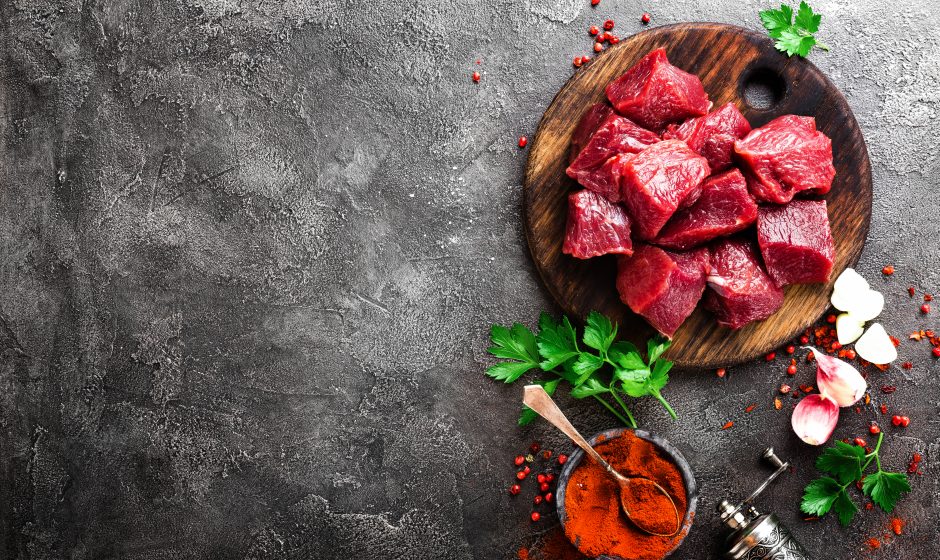
Fresh beef → bright red or deep cherry tone.
-
Lamb/mutton → pinkish-red.
-
Chicken → creamy pale pink.
Dull or brownish tones can indicate age or poor storage.
Smell:
Fresh meat has a mild scent. Any sour or strong odor is a red flag.
Texture:
Meat should feel firm, not mushy or slimy. Press gently — a fresh piece bounces back.
Choosing the Right Cut for the Recipe:
Different dishes need different cuts. Choosing the wrong one can lead to chewy steaks or dry curries.
| Dish | Recommended Cut |
|---|---|
| BBQ & grilling | Ribeye, chops, thighs, tenderloin |
| Curries & slow cooking | Shoulder, shank, stew cuts |
| Stews & broth | Bone-in pieces with marrow |
| Quick frying | Boneless strips, mince |
Understanding cuts improves cooking quality drastically.
Check Packaging and Storage Conditions:
If purchasing packaged Zabiha meat:
-
Avoid torn seals or excess moisture.
-
Check the packed-on and best-before date.
-
Choose vacuum-sealed over loosely wrapped trays.
-
Ice crystals may indicate thawing and refreezing — avoid these.
Properly handled meat retains tenderness and nutrients.
Grass-Fed vs. Grain-Fed — Which is Better?
Grass-fed:
-
Leaner, richer flavor.
-
Higher omega-3 content.
-
Firmer texture.
Grain-fed:
-
More marbling.
-
Softer bite.
-
Great for grilling and burgers.
Both are good — choose based on taste preference.
Why Quality Matters More Than Price:
Premium Zabiha meat may cost more, but the difference shows up at the dinner table. High-quality meat requires less seasoning, cooks evenly, and tastes naturally flavorful. Cheap meat often shrinks, toughens, and loses flavor after cooking.
You aren’t paying for quantity — you’re paying for quality and experience.
Final Thought:
Choosing the right Zabiha meat transforms your cooking. When you know how to evaluate freshness, choose cuts wisely, and trust your supplier, every meal becomes richer, cleaner, and more satisfying. From Sunday roasts to everyday curries — quality Zabiha meat makes all the difference.