
Visual branding plays a crucial role in the success of any restaurant. In a crowded and competitive food industry, how your restaurant or catering business presents itself visually can make all the difference. Customers are drawn to businesses that look appealing, are easy to navigate, and offer a cohesive, memorable experience. In this blog, we’ll explore how food photography, menu design, and packaging contribute to visual branding and drive success for your restaurant or catering business.
1. The Role of Food Photography in Visual Branding:
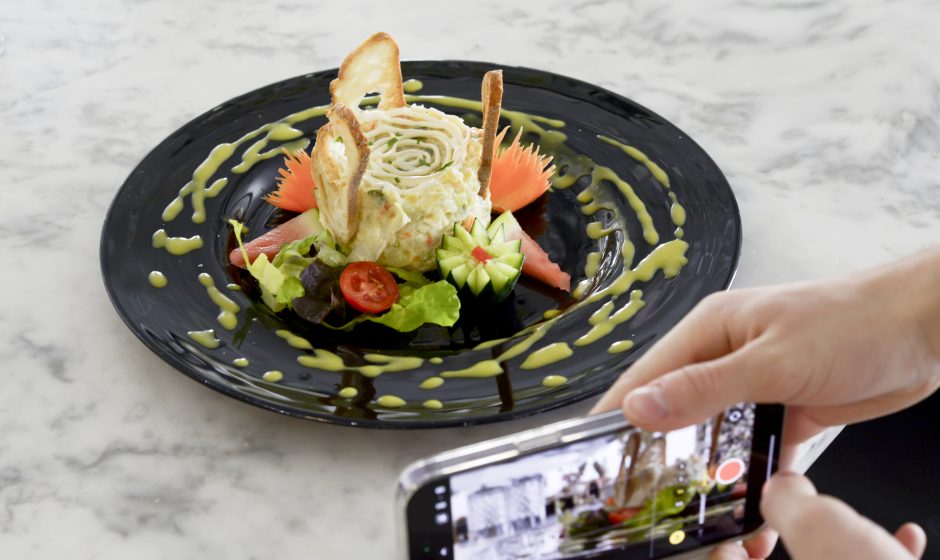
Food photography is one of the most powerful tools in your visual branding arsenal. In the world of food service, people eat with their eyes first. The way your food looks on social media, your website, and your menus influences customers’ decisions. Great food photography can entice customers, make your dishes look irresistible, and strengthen your brand’s overall appeal.
-
Appealing to the Senses: High-quality food photography not only showcases your food but also evokes emotions and desires. A beautifully plated dish, captured with the right lighting and angles, can evoke feelings of warmth, indulgence, and satisfaction. It encourages customers to imagine themselves enjoying the meal, which drives desire and ultimately sales.
-
Social Media Impact: In today’s digital age, social media is one of the most influential marketing platforms for restaurants. Stunning food photos shared on Instagram, Facebook, or Pinterest can generate significant buzz and attract new customers. Regularly posting appetizing photos keeps your restaurant top-of-mind and engages your online audience.
-
Brand Consistency: Just as with your physical restaurant or catering service, the look and feel of your food photography should be consistent with your overall brand identity. Whether you’re aiming for an upscale, fine-dining atmosphere or a fun, casual vibe, your food images should reflect the personality and tone of your restaurant.
2. Menu Design: The Bridge Between Visual Appeal and Functionality:
Your restaurant’s menu is more than just a list of items—it’s a powerful tool for visual branding. An attractive, easy-to-read menu design enhances the customer experience, reinforces your brand identity, and helps guide customers to make purchasing decisions.
-
Typography and Layout: Choose fonts that align with your restaurant’s personality and are easy to read. The layout should be simple, with clear sections like appetizers, mains, desserts, and drinks. Avoid overcrowding the menu with too much information. A clean, organized design allows customers to focus on the food and helps them navigate the choices quickly.
-
Highlighting Signature Dishes: Use design elements to highlight your best-selling or signature dishes. Consider bolding the names of these items, adding icons like “chef’s special,” or placing them in a separate section of the menu. This draws attention to high-margin items and increases the likelihood that customers will choose them.
-
Reflecting Brand Values: Your menu design should reflect the overall atmosphere and ethos of your restaurant. A modern, minimalist design may be perfect for a trendy restaurant, while a rustic, vintage-inspired menu may be better suited for a farm-to-table concept. Whatever style you choose, make sure it complements the brand identity you’ve established.
3. Packaging: The Final Touch in Branding:
Packaging is often the final touch in a restaurant or catering business’s branding strategy. Packaging is not just about protecting the food during delivery or takeaway; it’s also an extension of your brand. Thoughtful, well-designed packaging leaves a lasting impression on customers and makes them feel special.
-
Brand Consistency: Use branded packaging—takeout boxes, bags, and utensils—that incorporates your restaurant’s logo, colors, and design elements. Consistent branding across your packaging strengthens brand recognition and gives customers a professional, polished experience.
-
Eco-Friendly Packaging: Today’s consumers are more conscious of environmental impact, so using sustainable, eco-friendly packaging can enhance your brand’s image. Whether it’s biodegradable containers or recyclable materials, offering environmentally conscious packaging demonstrates that your restaurant cares about sustainability.
-
Presentation: Packaging is a reflection of the quality of food inside. Even for takeout or delivery, the packaging should ensure the food arrives in great condition and look appetizing. Use custom packaging solutions that keep your food fresh, secure, and well-presented.
4. How Food Photography, Menu Design, and Packaging Work Together:
Food photography, menu design, and packaging all play distinct roles in building your restaurant’s visual identity, but they should work together to create a seamless customer experience. Here’s how they complement each other:
-
Consistency Across Touchpoints: Whether customers are viewing your social media, browsing your menu, or receiving their takeout, the visual elements should align to create a cohesive brand experience. Your food photos should match the style of your menu design, and the packaging should reinforce the brand messaging.
-
Reinforcing Brand Identity: All three elements—food photography, menu design, and packaging—should reflect your brand’s personality. If you’re a casual eatery, the photography should be warm and inviting, the menu should be simple and easy to read, and the packaging should be fun and practical.
-
Creating Memorable Experiences: Together, these elements help create a memorable dining experience for customers. Whether it’s the excitement of seeing delicious food photos on Instagram, enjoying the aesthetically pleasing menu in your restaurant, or receiving a beautifully packaged takeout order, these elements work together to create lasting impressions.
5. Conclusion:
Visual branding is a powerful way to communicate your restaurant’s identity and attract customers. Food photography, menu design, and packaging are all critical elements that contribute to your restaurant’s visual appeal. By investing in high-quality food photos, creating a functional and appealing menu design, and choosing thoughtful, branded packaging, you can elevate your restaurant’s branding and leave a lasting impression on your customers. When these elements work together seamlessly, they not only attract new customers but also help build loyalty and ensure long-term success.