
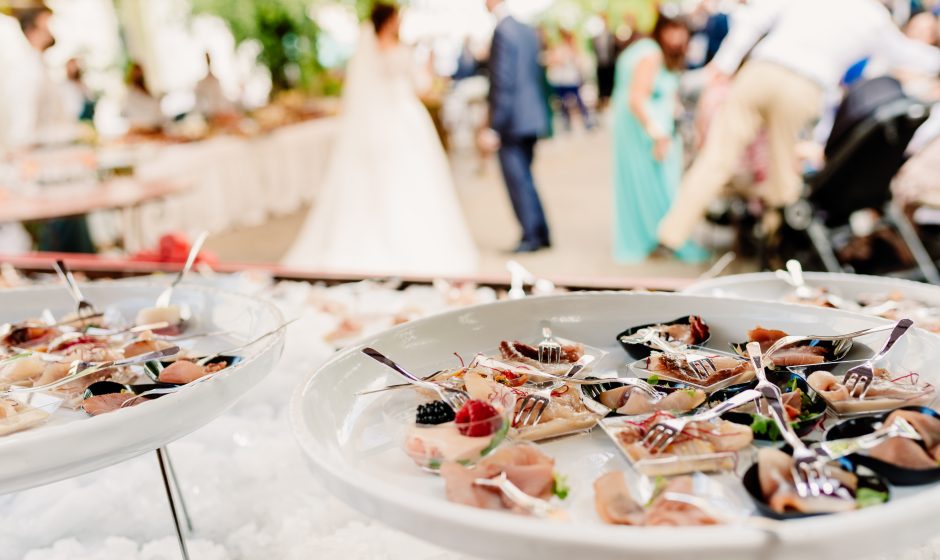

Catering for weddings and large parties involves a delicate balance of precision, creativity, and adaptability. As the host or caterer, your goal is to create an unforgettable dining experience for guests while managing the logistics and ensuring that the event flows smoothly. Here’s how to plan for wedding and party catering without stress:
1. Understand the Event and Client Preferences:
Before you begin planning, it’s important to fully understand the client’s vision. Meet with the couple or event planners to discuss the theme, preferred style of dining (plated, buffet, family-style), food preferences, and any dietary restrictions. Weddings and parties are highly personal events, so being in tune with the client’s expectations is crucial.
Ask about any special requests, such as a signature dish or custom cocktails, and make sure to incorporate those elements into the menu. Getting clarity from the start will allow you to design a menu that perfectly aligns with the event’s style and vibe.
2. Offer a Variety of Menu Options:
One of the biggest challenges of wedding and party catering is accommodating a diverse group of guests. Offering a range of menu options ensures that all guests, including those with food allergies or dietary preferences, can enjoy the meal.
Include vegetarian, vegan, gluten-free, and dairy-free options to cater to different needs. It’s also a good idea to offer a few crowd-pleasing classics (such as roast chicken, beef tenderloin, or pasta) alongside some more adventurous choices that reflect the couple’s or host’s tastes. When planning the menu, ensure the dishes can be easily scaled up and served to large groups without losing flavor or presentation quality.
3. Plan for Food Timing and Presentation:
For weddings and large parties, timing is crucial. Plan the meal service around key moments of the event, such as the ceremony, speeches, and dancing. You’ll need to ensure that the food is ready at the right time and served at its optimal temperature.
Consider the layout of the event space, whether guests will be seated or standing, and how the food will be presented. Buffet-style service may work well for large groups, while plated meals might be better for more formal events. Regardless of the format, the food should be displayed beautifully and with attention to detail.
4. Coordinate Staff and Logistics:
Having an organized team is essential for catering large events like weddings and parties. Assign clear roles for staff, including chefs, servers, and event coordinators. This will allow the team to work efficiently and ensure that every aspect of the event is covered, from food preparation to serving and cleanup.
Ensure that your staff is well-trained in both food handling and customer service. They should be prepared to manage a large number of guests, communicate with each other efficiently, and be able to handle any issues that may arise with professionalism.
5. Take Care of the Logistics:
Logistics are often the most stressful part of wedding and party catering, but with proper planning, they can be managed effectively. Coordinate with the venue, suppliers, and transport services well in advance to ensure that everything arrives on time and in good condition.
Be prepared for any challenges that may arise, such as late deliveries, unexpected weather, or last-minute changes to the guest count. Having contingency plans in place for these scenarios will help you stay calm and focused during the event.