
When it comes to buying Zabiha meat, quality and freshness are paramount to ensure that the meat is not only halal but also healthy, tender, and flavorful. Zabiha meat refers to meat that has been slaughtered in accordance with Islamic law, ensuring that it is ethically sourced and prepared with respect to religious principles. With the growing popularity of halal food, it is essential to know what to look for when purchasing Zabiha meat to ensure the best quality.
In this blog, we will explore the key factors to consider when buying Zabiha meat, how to assess freshness, and tips to make sure you are choosing the right meat for your dishes.
1. Halal Certification: Ensuring Authenticity:
The first step in buying high-quality Zabiha meat is ensuring that it is properly certified as halal. Halal certification guarantees that the meat adheres to Islamic dietary laws, ensuring both ethical slaughtering practices and the absence of haram (forbidden) substances. Look for halal certification labels on the packaging, as well as any official halal certification from reputable organizations like IFANCA (Islamic Food and Nutrition Council of America) or HFA (Halal Food Authority).
It’s important to buy from trusted suppliers, whether they are local halal butcher shops, supermarkets, or online halal meat providers. If buying from a butcher, don’t hesitate to ask about the halal certification process and the sourcing of the meat.
2. Freshness of Zabiha Meat:
Freshness is key to ensuring the quality of Zabiha meat. When buying fresh meat, consider the following:
1. Color and Appearance:
-
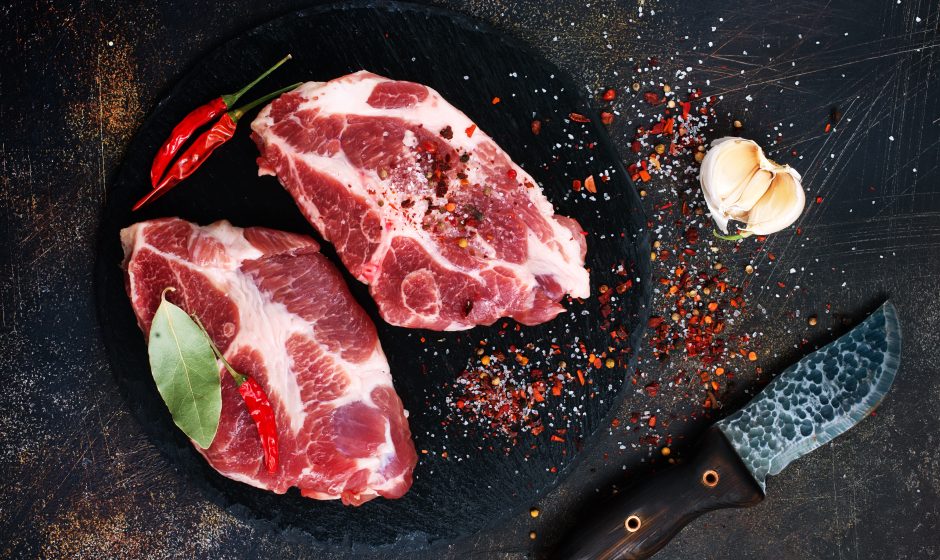
Beef: Fresh Zabiha beef should have a bright red or cherry color, with a firm texture. Avoid meat that appears dull, brown, or has an excessive amount of fat.
-
Lamb: Fresh lamb should have a reddish-pink color. The fat should be white and firm, not yellow or soft. The muscle fibers should be firm and moist.
-
Chicken: Fresh chicken should have pale, pink skin with no signs of bruising or discoloration. The meat should feel firm and spring back when touched.
-
Goat: Zabiha goat meat should have a deep red color and firm texture, similar to lamb. The fat should be white, not yellow, and the meat should not be slimy or overly wet.
2. Smell:
Fresh meat should have a clean, neutral smell. If the meat has a strong or unpleasant odor, it may be spoiled or not properly handled. Always trust your sense of smell when assessing freshness.
3. Packaging and Storage:
Ensure that the meat is properly packaged and stored. Zabiha meat should be kept at the correct temperature to maintain freshness. If buying pre-packaged meat, check the expiration date and ensure it has been stored in a clean, refrigerated environment. For frozen Zabiha meat, make sure the packaging is intact and free from freezer burn.
3. Sourcing and Transparency:
When buying Zabiha meat, it’s essential to understand where the meat is sourced from and how it is processed. Many reputable halal butchers and supermarkets are transparent about their sourcing, and some even provide details on the farms or slaughterhouses that supply their meat. Ask questions about the sourcing and slaughtering practices to ensure the meat is ethically raised and processed according to Zabiha guidelines.
1. Local vs. Imported Meat:
Some people prefer locally sourced Zabiha meat, believing it to be fresher and more ethically produced. However, imported Zabiha meat can also be of high quality. Check for certifications that ensure the meat meets halal standards regardless of its origin.
2. Grass-Fed vs. Grain-Fed:
For beef and lamb, consider whether the animals were grass-fed or grain-fed. Grass-fed meat is often considered healthier, leaner, and more flavorful. If you’re looking for premium Zabiha meat, grass-fed options are a great choice.
4. Cut of Meat:
When buying Zabiha meat, choosing the right cut is crucial for achieving the desired flavor and texture in your dish. Different cuts are suited for different cooking methods:
-
Tender Cuts: Ribeye, lamb chops, and chicken breasts are great for grilling or searing.
-
Tougher Cuts: Brisket, lamb shoulder, and goat leg are ideal for slow cooking, stews, and braises, where they become tender with longer cooking times.
-
Ground Meat: Ground Zabiha beef or lamb is perfect for making kebabs, meatballs, or burgers.
Understanding the cuts and selecting the right one based on your cooking method will help ensure that you get the best results.
5. Ethical and Sustainable Practices:
Many people prefer to buy meat from suppliers who prioritize ethical and sustainable farming practices. Look for companies or butchers that promote animal welfare, use humane slaughtering methods, and engage in sustainable farming practices. This aligns with the values of compassion and environmental stewardship that Islam encourages.
Conclusion:
Choosing high-quality Zabiha meat is an important part of preparing halal meals. By understanding how to assess the freshness and quality of meat, looking for halal certification, and knowing the right cuts for your dishes, you can ensure that your meals are both delicious and ethically prepared. Whether you’re cooking beef, lamb, chicken, or goat, the right Zabiha meat will make a world of difference in your culinary experience.