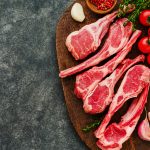
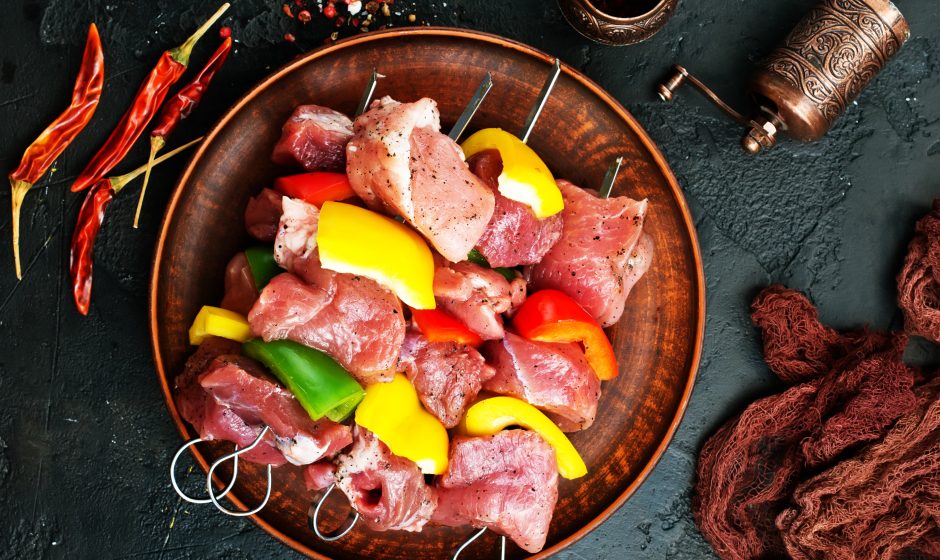

When it comes to choosing meat, many people struggle with whether to opt for Zabiha meat or non-Zabiha meat. While both can be part of a balanced diet, Zabiha meat offers distinct benefits that make it a superior choice for those concerned with ethical sourcing, health, and overall well-being. In this blog, we’ll explore the key differences between Zabiha meat and non-Zabiha meat, and why choosing Zabiha might be the better option for your health.
What is Zabiha Meat?
Zabiha meat refers to meat that is slaughtered following specific Islamic guidelines. The process is designed to ensure that the meat is sourced ethically, with respect for the animal, and prepared according to halal principles. For an animal to be considered halal, it must be slaughtered by a Muslim who recites a prayer before slaughter, and the animal must be healthy and free from harmful substances.
On the other hand, non-Zabiha meat comes from animals slaughtered using various methods that might not align with ethical practices, such as factory farming, use of hormones, and the lack of proper oversight during slaughter.
Key Differences Between Zabiha and Non-Zabiha Meat:
While both Zabiha and non-Zabiha meat provide essential nutrients, the process by which they are produced can impact their health value. Here’s a comparison of the two:
1. Ethical Sourcing and Animal Welfare:
Zabiha meat is sourced from animals that are slaughtered in a humane manner, following strict guidelines to minimize suffering. The animal’s health and treatment are carefully considered, and the process is intended to be as quick and painless as possible. Non-Zabiha meat, on the other hand, often comes from animals raised in factory farming systems where animals are subjected to cramped living conditions, harsh treatments, and inhumane slaughtering practices.
By choosing Zabiha meat, you are supporting more ethical farming practices, which also align with Islamic dietary laws and promote compassion toward animals.
2. Cleanliness and Processing:
Zabiha meat is subject to stringent cleanliness regulations. The process ensures that the meat is free from contaminants and harmful chemicals such as antibiotics, hormones, and pesticides. Non-Zabiha meat, especially from factory farms, is often treated with hormones, antibiotics, and other chemicals to accelerate growth, prevent disease, and increase yield. These substances can make their way into the meat, which raises health concerns about long-term exposure.
Zabiha meat, therefore, is often cleaner and less likely to contain harmful additives, making it a healthier choice.
3. Nutritional Value:
While both Zabiha and non-Zabiha meat provide essential nutrients like protein, iron, and zinc, Zabiha meat tends to have fewer toxins and chemicals that can negatively impact health. The cleaner processing and ethical treatment of the animals contribute to the nutritional purity of Zabiha meat.
Zabiha meat is often leaner, as the animals are fed natural diets without the use of growth hormones or animal by-products. Non-Zabiha meat, particularly factory-farmed meat, may contain more fat and lower nutritional value due to the use of processed feed and chemical additives in the animal’s diet.
4. Fat Content and Heart Health:
Zabiha meat is generally lower in unhealthy fats, especially when compared to non-Zabiha meat. Animals raised without hormones or excessive grain feed tend to produce leaner cuts of meat, which are beneficial for heart health. On the other hand, non-Zabiha meat, especially fatty cuts from factory-farmed animals, can have a higher content of saturated fats that may contribute to heart disease and obesity.
Zabiha meat’s lower fat content makes it a better option for those looking to maintain a heart-healthy diet and control cholesterol levels.
5. Taste and Freshness:
Many consumers find that Zabiha meat has a fresher, cleaner taste compared to non-Zabiha meat. This is likely due to the natural diet of Zabiha animals and the more ethical and controlled slaughtering processes. Non-Zabiha meat, particularly from mass production systems, can sometimes have a gamey or off-taste, resulting from the use of hormones, antibiotics, and poor handling practices.
For those who value taste, Zabiha meat offers a superior dining experience, with a cleaner, more natural flavor profile.
Health Benefits of Zabiha Meat:
Now that we understand the differences between Zabiha and non-Zabiha meat, let’s explore the specific health benefits of choosing Zabiha:
1. Higher Quality Protein:
Zabiha meat is an excellent source of high-quality protein, which is essential for muscle repair, growth, and overall bodily function. The meat’s protein content is easily absorbed by the body, making it a great option for athletes, active individuals, or anyone seeking to maintain lean muscle mass.
2. Rich in Essential Vitamins and Minerals:
Zabiha meat provides important nutrients like iron, zinc, and B vitamins, which play key roles in immune function, energy production, and red blood cell formation. Zabiha beef and lamb, for example, are particularly rich in iron, which is crucial for preventing anemia and maintaining optimal oxygen levels in the blood.
3. Clean and Natural Fats:
Zabiha meat contains healthier fats, such as omega-3 fatty acids, which are essential for heart health and brain function. Omega-3s help reduce inflammation, lower blood pressure, and improve cognitive function, making Zabiha meat a beneficial addition to a balanced diet.
4. Better Digestibility:
Because Zabiha meat is free from harmful chemicals and additives, it tends to be easier to digest. This can be especially beneficial for individuals with sensitive stomachs or those who experience digestive discomfort after consuming non-Zabiha meat. The cleaner nature of Zabiha meat allows for better nutrient absorption and fewer digestive issues.
Which is Better for Your Health?
Both Zabiha and non-Zabiha meat offer nutritional benefits, but when it comes to overall health, Zabiha meat is the better choice. It is ethically sourced, cleaner, and free from harmful chemicals, making it a healthier option for those who want to avoid toxins and additives. Additionally, the lower fat content and higher quality nutrients in Zabiha meat make it a superior choice for heart health, muscle development, and overall wellness.
Final Thoughts:
Choosing between Zabiha and non-Zabiha meat is not just a matter of taste; it’s about health, ethics, and long-term well-being. Zabiha meat offers a range of health benefits that make it the better option for anyone looking to maintain a balanced, nutritious diet. By choosing Zabiha meat, you’re making a conscious decision to support ethical farming practices and enjoy cleaner, more nutritious meals.